
Safety nets needed to protect poor from food-fuel inflation
Thursday, May 01, 2008

KARACHI: The government must devise immediate policies to insulate the most vulnerable social groups from the perils of runaway food inflation moving in tandem with soaring fuel prices.

The government’s decision of passing on the burden of rising oil prices to consumers would surely compound miseries of the poorest sections of the society.

Although government has decided to pass on the rising international oil prices to the people it is not providing safety nets to the low-income groups that suffer the most due to food and fuel inflation.

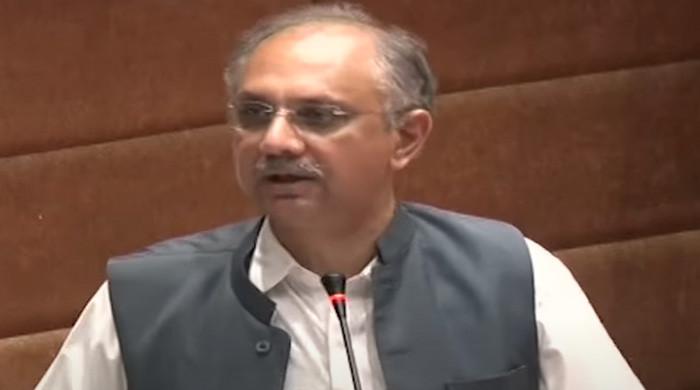
“To tackle the critical problems of low income groups immediately, the government should give some kind of income support or a subsidy on food prices to the vulnerable social groups that are affected most because of high food prices,” said Kaiser Bengali, renowned economist while talking to The News.

“To contain food inflation and minimise the international wave of soaring food prices the government of Pakistan should take steps for increasing the per acre agricultural yield which will reduce the intensity of food crisis,” he said.

The global trend of using food crops for producing energy is also a source of current food crisis in the world. The introduction of biofuels has caused food prices to jump phenomenally, Bengali explained. A sharp rise in oil prices encouraged many countries to produce energy from crops, he added.

The UN Food and Agriculture Organisation assessment reveals that biofuels contribution is around 10 per cent to the current price rise in the world; however, it says that soaring international oil prices have a bigger share in pushing up the world food prices.

The World Bank report says that there are fewer possibilities of controlling high food prices before 2015.

Due to rising food consumption and slowdown in the agricultural productivity, many agricultural countries are now net food importers. This condition is worsening further as the soaring oil prices are pushing a larger number of people into poverty with the rising food prices around the world.

There are a number of factors contributing to the high world food prices like climatic changes, high oil prices, food storage shortage, growing demand of staple foods or biofuels, but despite all these factors many countries are successfully dealing with the crisis through proper planning.

In Pakistan government is continuously passing on the burden of high oil prices to the people, which is pushing up the already soaring food prices making it impossible for a common man to make ends meet.

The government’s announcement to further increase the oil price in future will definitely increase the food prices, so it is the need of hour to answer the immediate problems of vulnerable social groups otherwise this hike in food prices could lead to riots in country.

Dr Shahida Wizarat, Director Applied Economics Research Centre (AERC), University of Karachi while talking to the News said that the sugar and wheat crises in the country are the results of cartels operating in the country. Competition Commission of Pakistan (CCP) is working to control cartelisation.

‘Oil prices pushing up the food prices’ is one of the reasons behind the runaway food inflation the government should control the cartelisation to control unprecedented rise in food prices, she added.

She maintained that to control food prices the government should take into account the local market structure. Understanding how the market operates can help government control and systematically deal with the price structures of commodities.

Present food inflation is also the outcome of the soaring international oil prices. The government may not be able to control fuel inflation in near future, but in the long-term government should encourage use of alternative energy sources like biogas, solar and wind energy. Reduction on oil dependence would help curtail fuel inflation and reciprocally ease food prices in the country.