Cases of tick disease explode in Scotland
Lyme disease is curable with a course of antibiotics. However, it may cause debilitating symptoms that can last for years
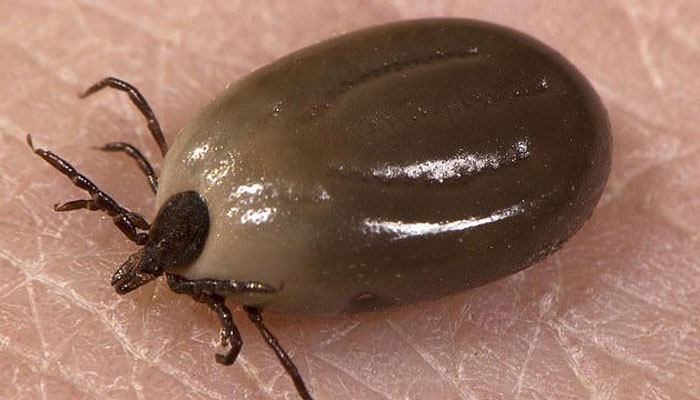
Scotland may have five times higher numbers of Lyme disease than first thought.
Lyme disease spreads from ticks to humans. It is a bacterial infection that causes a tell-tale round rash and flu-like symptoms.
The tick-borne illness is believed to affect at least 2,500 Scots every year, new research suggests.
The disease is curable with a course of antibiotics. However, it may cause debilitating symptoms that can last for years.
Lyme disease is widespread in Scotland, particularly in the Highlands. However, the number of patients suffering from the infection is not yet confirmed.
The research was conducted by the Scottish Lyme Disease and Tick-borne Infections Reference Laboratory in Inverness. Carrying out the study of GP practices in the north of Scotland, researchers tried to find out the number of patients infected with Lyme disease.
The researchers counted lab reports and searched patients’ medical records for evidence, such as coming in with a tick bite and being prescribed antibiotics. They took into account NHS records from 63 GP surgeries. They ended up finding 3,412 people infected with Lyme disease. They also considered people suspected of having Lyme disease as they were treated with antibiotics from January 2019 to December 2022.
“Current data is based on laboratory testing figures but many cases are diagnosed and treated by GPs without any need for a blood test and so don’t appear in official figures,” said Dr Sally Mavin, director of the laboratory.
“The study found the number of Lyme disease cases could be as much as five times higher than current data suggests, up to 850 cases per year in the Highlands, which could equate to 2,500 per year for the whole of Scotland.”
“It is important we are aware of ticks and how to prevent being bitten and know how to check ourselves and our children for them so that we can remove them quickly and safely to reduce the risk of getting Lyme disease,” she added.


-
 Measles cases in US top 4,000 nationwide, CDC reports
 -
 Sexually transmitted diarrhea spread in US, UK: Why antibiotics are failing against Shigella
 -
 Who is Song Li? China puts her forward for WHO leadership role
 -
 CDC monitors travelers from Siberia after plague worker’s death, director says
 -
 Russia pushes back on plague death reports, defends WHO notification
 -
 WHO deems Russia plague risk 'low' following lab technician’s fatal illness
 -
 New York declares Measles state of emergency amid nationwide disease resurgence
 -
 First-of-its-kind treatment shrinks unborn baby’s tumour before birth