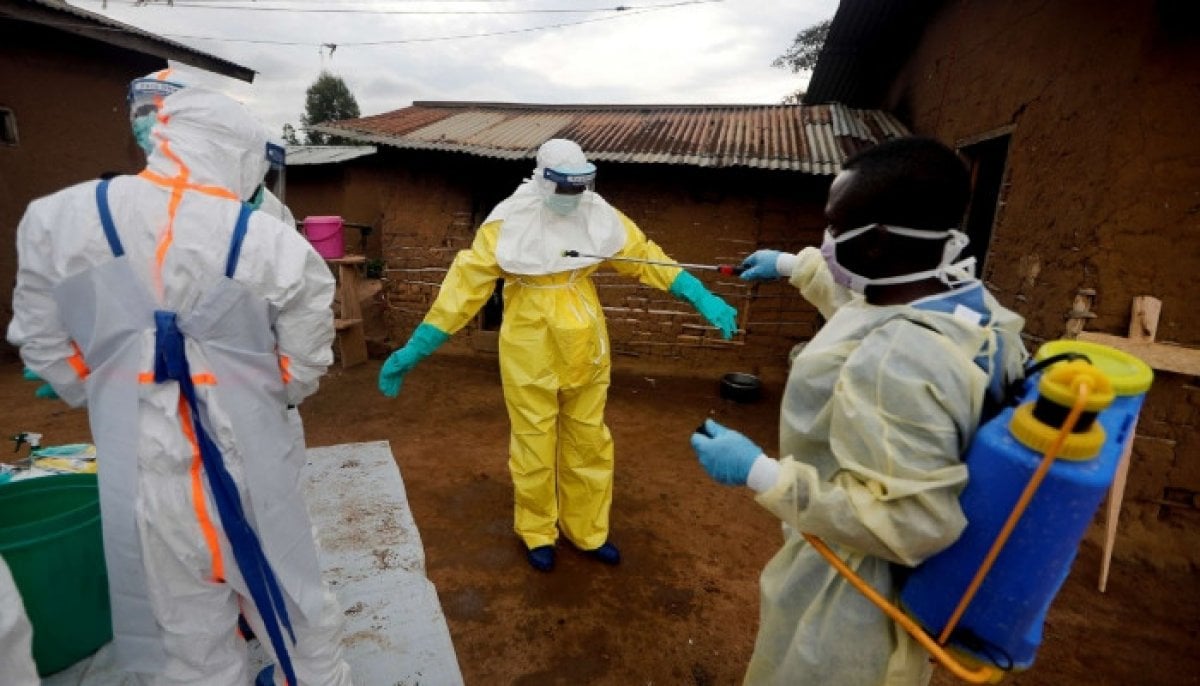
Ebola spreading ‘like a wildfire’ in Democratic Republic of Congo, expert warns
The virus involved is the Bundibugyo strain, the rarest of the four Ebola variants
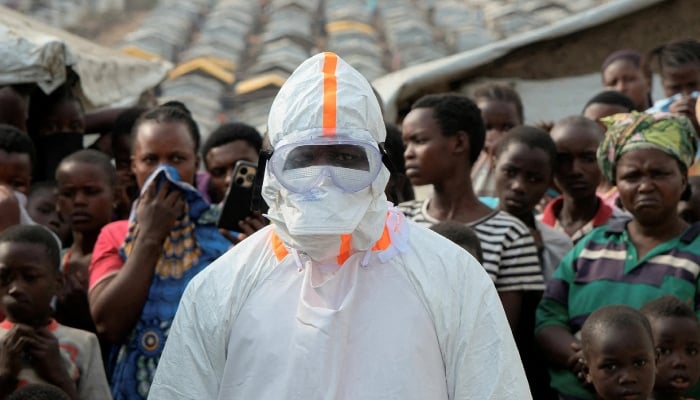
The Ebola outbreak in the Democratic Republic of Congo (DRC) has claimed more than 1,300 lives, with health officials reporting a sharp rise in cases as scientists race to contain the virus.
Government figures released on Saturday showed the death toll had reached 1,309, while confirmed cases, including deaths, increased to 2,973 as of Thursday.
According to Al Jazeera, the outbreak is the fastest-spreading Ebola epidemic ever recorded. The virus involved is the Bundibugyo strain, the rarest of the four Ebola variants known to infect humans, and currently has no approved vaccine or treatment.
Public health consultant Abdulsalami Nasidi, who helped establish the Africa Centres for Disease Control and Prevention, told Al Jazeera the lack of an approved vaccine meant the virus was "spreading like a wildfire."
Scientists are working to develop a vaccine, with the University of Oxford's Oxford Vaccine Group confirming that the first volunteer received an experimental dose on Friday.
The Africa CDC has warned the outbreak could become even more severe. Director-General Jean Kaseya wrote on X: "We must act now. If we do not stop it today, this will become the worst outbreak the world has ever documented."
According to Al Jazeera, more than 100 healthcare workers have been infected since the outbreak began in May, with around 35 deaths reported among medical staff.


-
 Novo says new Ozempic shows lower cardiovascular risk compared with Lilly’s Mounjaro
 -
 University of Nottingham researchers say new gel could regrow tooth enamel in weeks
 -
 New Chinese drug extends stroke treatment window from hours to 2 days: study finds
 -
 Trump’s FDA nominee Heidi Overton defends vaccines, contradicting his claims
 -
 New once-weekly insulin injection for type 2 diabetes wins FDA approval
 -
 Study identifies key cause of fatigue and brain fog
 -
 Apple’s screenless fitness tracker plans revealed: What to know
 -
 Rabies concerns grow in US, sparking health warnings over fatal virus