Tick-borne anaplasmosis on the rise in Canada, CMAJ study warns
Blacklegged ticks are becoming more common from Manitoba eastwards, particularly in Ontario, Quebec and Nova Scotia
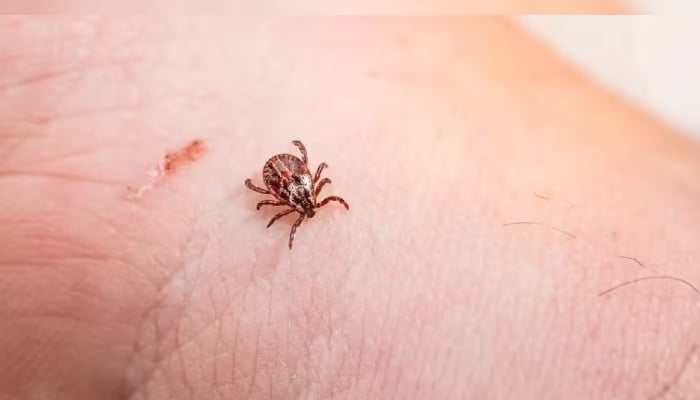
Doctors are being urged to consider anaplasmosis alongside Lyme disease when treating patients with unexplained fever, as tick-borne illnesses continue to rise across eastern Canada.
A paper published in the Canadian Medical Association Journal (CMAJ) highlights the case of a 79-year-old man from eastern Ontario who developed fever, chills and weakness after likely exposure to blacklegged ticks.
He recovered after receiving the antibiotic doxycycline, with laboratory tests later confirming anaplasmosis.
“It’s really important to be talking about this infection because we’re observing it more and more in clinical practice, in internal medicine, and it’s new,” senior author Dr Michael Quon said in an interview.
“This is not an infection that we encountered even five years ago in the hospital.”
According to the Public Health Agency of Canada, blacklegged ticks are becoming more common from Manitoba eastwards, particularly in Ontario, Quebec and Nova Scotia.
Officials say infections with the bacteria that causes anaplasmosis are also increasing.
Doctors are advised to ask patients about outdoor exposure and begin treatment promptly if anaplasmosis is suspected, rather than waiting for laboratory confirmation.
Health experts say people should continue enjoying outdoor activities while taking precautions, including using insect repellent, wearing protective clothing and checking for ticks after spending time in wooded or grassy areas.
Removing ticks quickly can significantly reduce the risk of infection.


-
 New Amgen drug combination shows survival gains in lung cancer trial
 -
 World’s first AI-powered lab aims to prevent future pandemics
 -
 New personalized cancer vaccine cuts Melanoma recurrence risk by 42%, trial shows
 -
 Prime editing rewrites DNA inside human body for the first time
 -
 WHO investigates mystery Ebola case in Nigeria as outbreak spreads beyond DR Congo
 -
 Virginia Sen. Louise Lucas indicted on racketeering and marijuana charges
 -
 France confirms world's first human case of Shamonda virus; patient dies
 -
 OpenAI agents uncover brain disease leads: Here’s how