Study reveals how much coffee is safe for your heart
One to three cups of coffee a day may raise blood pressure slightly in people who start with healthy levels

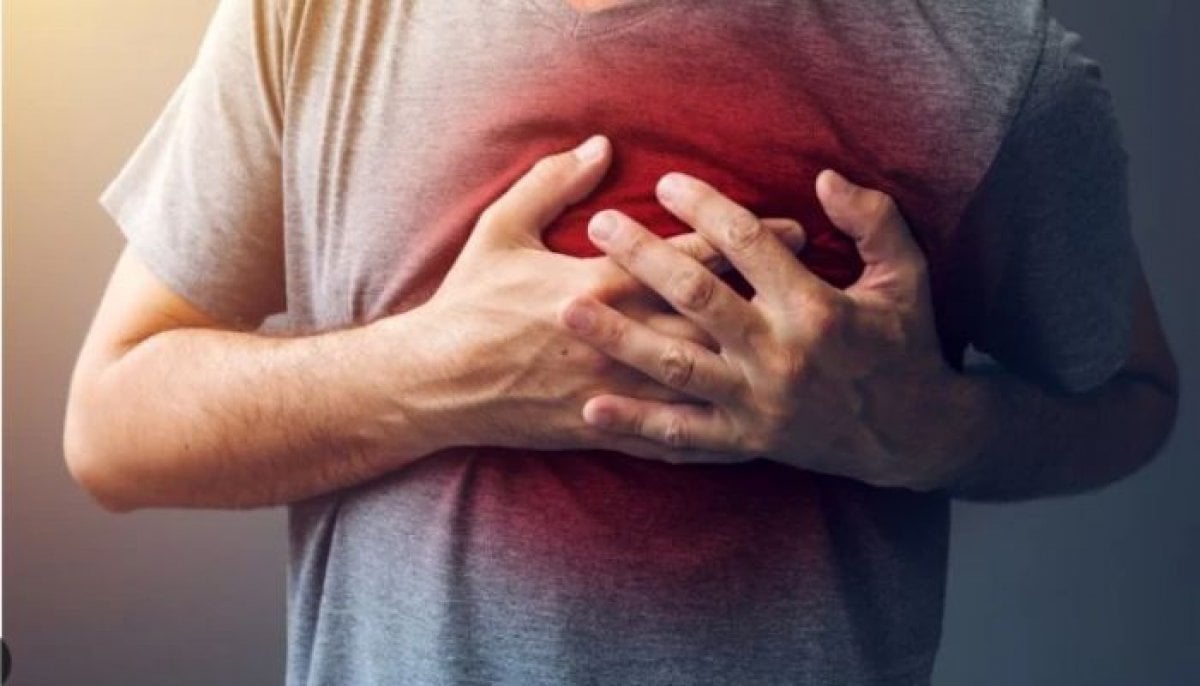
Coffee drinkers can put one worry to rest: your daily habit likely isn't hurting your heart, and it might be helping it
The American Heart Association released a new scientific statement, "Caffeine and Cardiovascular Disease", in the journal Circulation on July 20, 2026.
Following their review of the latest information regarding caffeine’s influence on strokes, coronary artery disease, and arrhythmias, the writing group came to the conclusion that the daily intake of up to 400 milligrams of caffeine, which equals five 8-ounce cups of coffee, is safe for most adults and might even reduce cardiovascular risks in certain cases.
Is coffee intake risky for heart?
"For the vast majority of individuals that currently enjoy consuming caffeinated coffee or tea, they should be reassured that these substances almost certainly are not increasing their cardiovascular risks and may instead have health benefits," said Gregory Marcus, chair of the writing group and a professor of medicine at the University of California, San Francisco.
One to three cups a day may raise blood pressure slightly in people who start with healthy levels, while drinking more than that appears to lower it instead.
A compound found in unfiltered coffee called cafestol has also been linked to higher LDL cholesterol, and some of coffee's benefits for conditions like type 2 diabetes may come from compounds other than caffeine itself.
Evidence of benefit is strongest for type 2 diabetes, atrial fibrillation, heart attack and stroke, Marcus said, though caffeine may also increase certain irregular heartbeats known as premature ventricular contractions.
Once you pass that 400-milligram mark, the danger becomes even greater and is much easier to do when using energy drinks and caffeine shots rather than ordinary coffee. In 2022 and 2023, two cases of heart disease-related death in the United States were associated with Panera Bread's highly caffeinated Charged Lemonade, a product they eventually ceased production of.
"Energy drinks have not been as thoroughly studied as caffeine occurring in natural substances, but the available evidence suggests these drinks are more likely harmful than not," Marcus said.
Americans use less than 200 mg of caffeine a day, which means for coffee lovers there is plenty of room before the problem arises, but the bigger issue is what else is in the drink.


-
 CDC monitors travelers from Siberia after plague worker’s death, director says
 -
 Russia pushes back on plague death reports, defends WHO notification
 -
 WHO deems Russia plague risk 'low' following lab technician’s fatal illness
 -
 New York declares Measles state of emergency amid nationwide disease resurgence
 -
 First-of-its-kind treatment shrinks unborn baby’s tumour before birth
 -
 France steps up Ebola support in Congo as fears of resurgence grow
 -
 Vance’s fraud crackdown may raise health insurance costs for Americans
 -
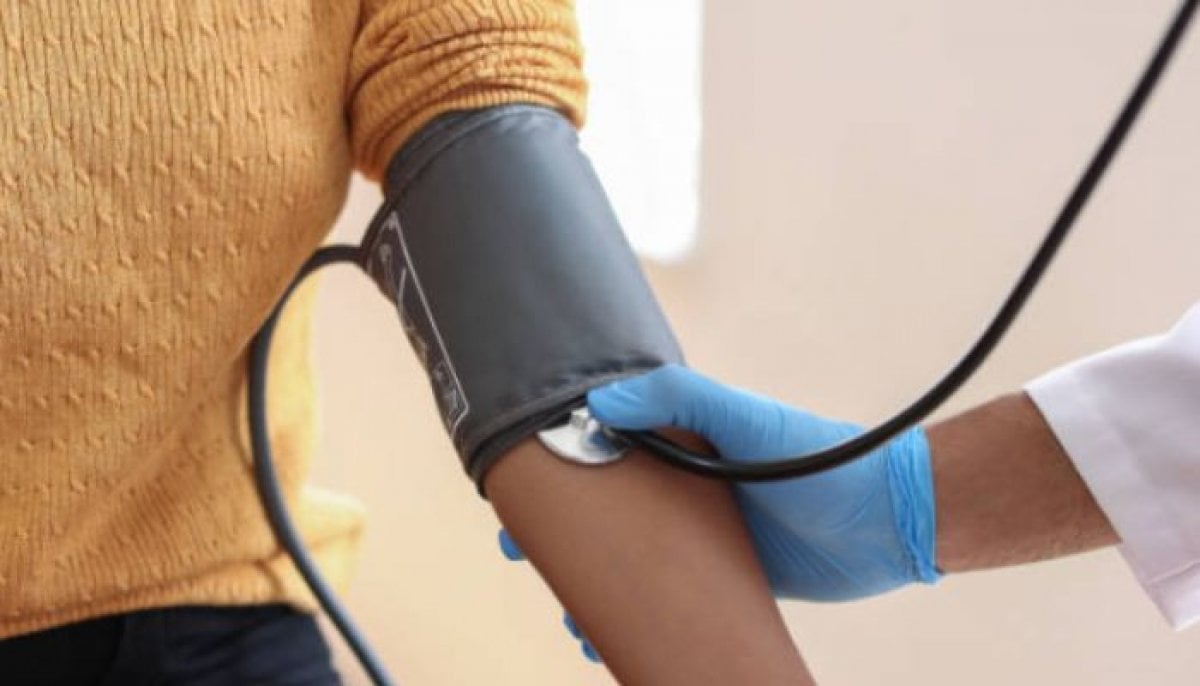 One common mistake elevates blood pressure readings by 7 points, study warns
-
 Moderna loses US government license defense in patent case
 -
Novo says new Ozempic shows lower cardiovascular risk compared with Lilly’s Mounjaro
-
University of Nottingham researchers say new gel could regrow tooth enamel in weeks
-
New Chinese drug extends stroke treatment window from hours to 2 days: study finds