WHO deems Russia plague risk 'low' following lab technician’s fatal illness
World Health Organization (WHO) confirms the risk of a broader outbreak remains minimal following a Siberian lab death, despite ongoing international transparency concerns
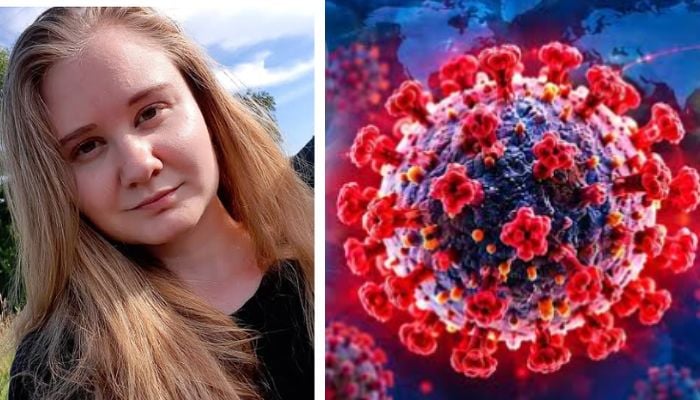
Following the recent laboratory fatality in Siberia, the World Health Organization (WHO) has stated that the overall risk of a plague epidemic in Russia remains low.
WHO statement follows the death of 28 years old Darya Shipilova who died two days after falling ill with the plague disease.
Russian media reports suggested she may have become infected after an accident at her workplace, where dangerous pathogens are kept and studied.
As reported Russian authorities have downplayed the incident and say Shipilova died of “pneumonia of an unknown aetiology”.
Strict quarantine measures have been imposed at the research centre in the city of Irkutsk and in several neighbouring hospitals.
Christian Lindmeier, a WHO spokesperson, said on Tuesday that there was no sign of a wider outbreak. “All of the patients’ contacts have reportedly been identified and are being monitored for illness, and none to date have shown symptoms of illness,” he said.
Unconfirmed regional reports had sparked widespread concern by suggesting an accidental exposure to live pathogens during sample handling.
Responding to formal inquiries under international health regulations, Russian health authorities informed the WHO that comprehensive testing detected no high-threat pathogens in the deceased worker or her under-observation contacts.
While local containment protocols and quarantine measures have concluded without identifying secondary infections, international observers and Western officials continue to press for clearer epidemiological data.
Public health experts emphasize that while modern antibiotics render plague treatable, transparent communication remains essential for global biosafety.


-
 New York declares Measles state of emergency amid nationwide disease resurgence
 -
 First-of-its-kind treatment shrinks unborn baby’s tumour before birth
 -
 France steps up Ebola support in Congo as fears of resurgence grow
 -
 Vance’s fraud crackdown may raise health insurance costs for Americans
 -
 One common mistake elevates blood pressure readings by 7 points, study warns
 -
 Moderna loses US government license defense in patent case
 -
 Novo says new Ozempic shows lower cardiovascular risk compared with Lilly’s Mounjaro
 -
 University of Nottingham researchers say new gel could regrow tooth enamel in weeks