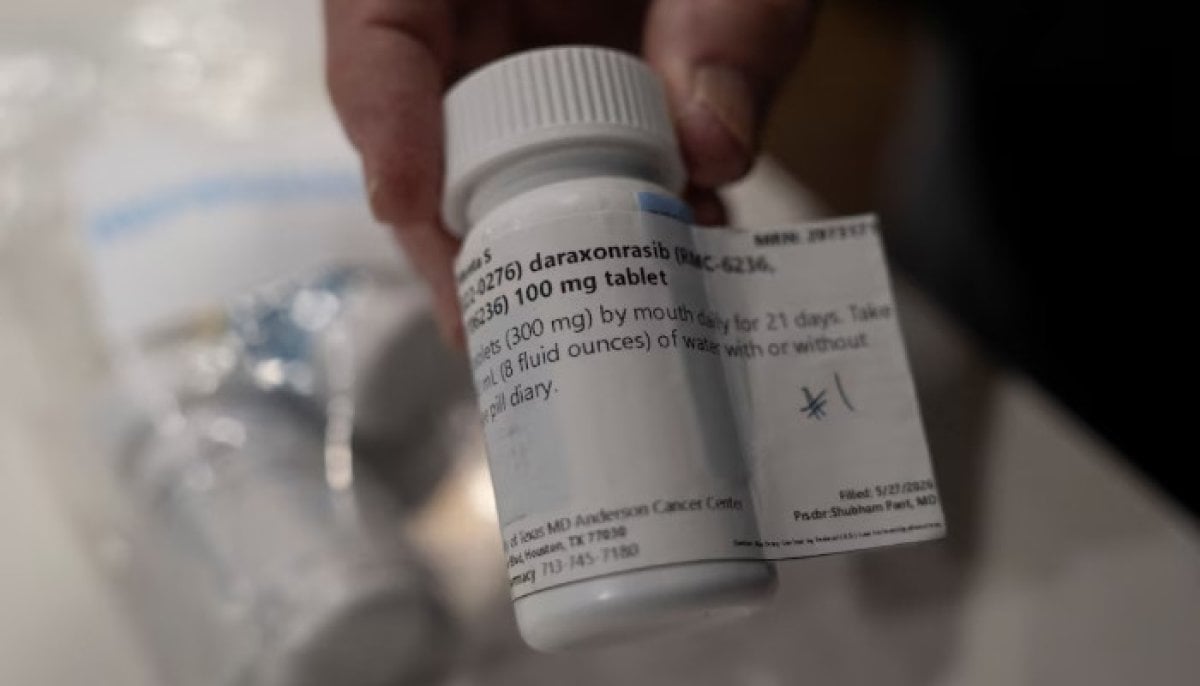
Does smoking increase infertility risk? WHO explains the dangers
The report discovered that women who smoke have a 40% increased risk of infertility in contrast to non-smokers

Smoking can significantly reduce fertility in both women and men, with the latest World Health Organization (WHO) report warning that tobacco use significantly reduces the chances of conceiving and having a healthy pregnancy.
The report discovered that women who smoke have a 40% increased risk of infertility in contrast to non-smokers.
Smoking can pose a significant threat on male reproductive health, increasing the likelihood of erectile dysfunction, ejaculatory issues, poor sperm health as well as its shape.
Medical officer with WHO’s Tobacco Free Initiative Dr. Kerstin Schotte stated, “For all people who plan pregnancies, our message is, ‘Stop smoking, improve your health, improve your reproductive health as well.’ ”
For the study, scientists analysed decades of global data and discovered that exposure to secondhand smoke could minimise the contraceptive chances.
Additionally, smoking may affect fertility treatments. An analysis of 21 studies found fewer pregnancies and live births among couples undergoing in vitro fertilisation (IVF) when one partner smoked, with smoking possibly reducing the chances of a successful pregnancy by half.
Notably, the WHO issued a warning that emerging evidence suggests e-cigarettes, waterpipes and smokeless tobacco may negatively affect fertility.
Women who quit smoking had 25% reduced odds of infertility as compared to those who continued, underscoring the benefits of quitting.



-
 Doctor sheds light on how to detect sugar problems early with simple sign
-
 COP31 climate talks in Turkey near a close: Delegates issue reactions
-
 Gordon Ramsay reveals morning habit that could lower cancer risk
-
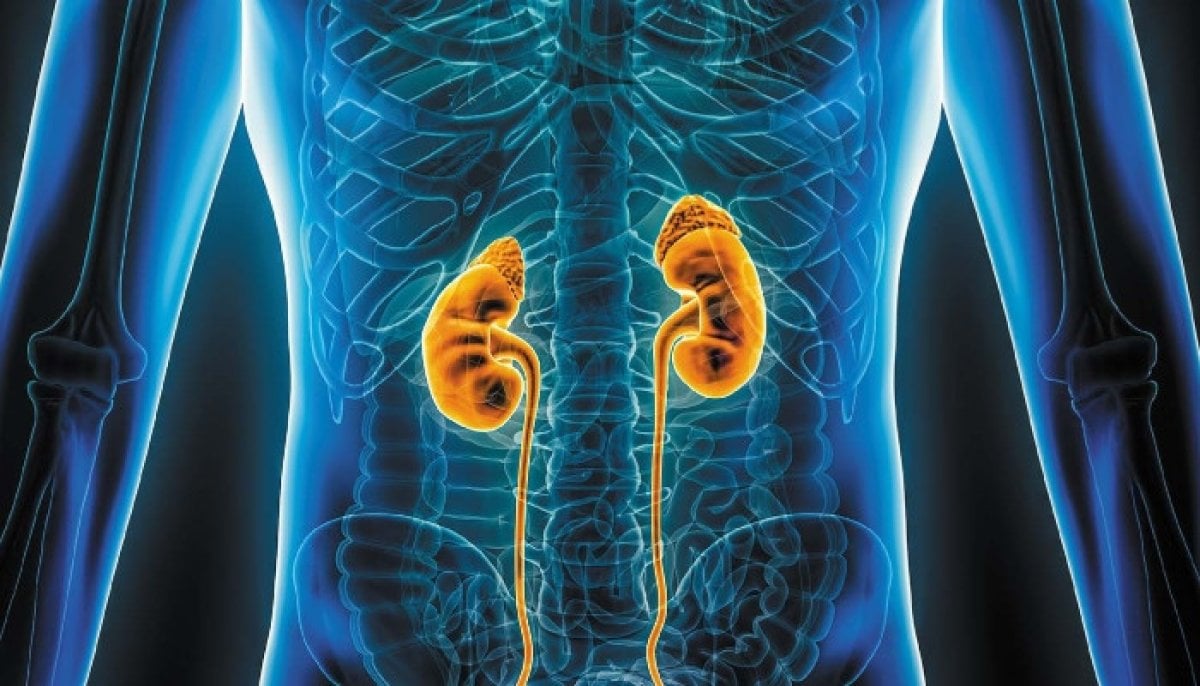 Kidney disease warning signs laid bare: Signs that need attention
-
 Is workplace stress taking a toll on your mental health? How to recognise anxiety
-
 Virginia reports first measles-related death amid measles elimination status loss
-
 Pancreatic cancer treatment sees major breakthrough with latest medicine
-
 Higher cholesterol linked to severe depression? Research answers pressing question