New pancreatic cancer drug makes tumours disappear in some patients during trial
The drug daraxonrasib stopped tumour growth in 90 percemt of 61 patients with advanced pancreatic cancer
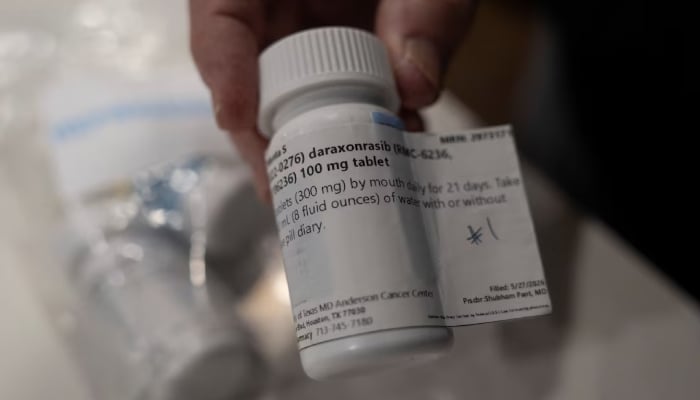
A new pancreatic cancer pill has shown promising results in a clinical trial, with some patients seeing their tumours become undetectable on scans.
According to The Guardian, the drug daraxonrasib stopped tumour growth in 90 percemt of 61 patients with advanced pancreatic cancer that had spread to other organs.
More than 60 percent experienced tumour shrinkage or disappearance, while approximately eight percent had no detectable tumours on CT scans.
After one year of treatment, 76.6 percent of patients were alive, compared with typical one-year survival rates of 40 percent to 45 percent for patients receiving chemotherapy alone.
Dr Wungki Park, an oncologist at Memorial Sloan Kettering Cancer Center, described the results as “this is the closest to cure”.
However, researchers stressed that the treatment cannot yet be considered a cure, and longer studies are needed to determine how long its benefits last.
Daraxonrasib works by blocking KRAS mutations that drive tumour growth in most pancreatic cancers.
The findings were presented at a cancer research symposium in Barcelona.
Cancer Research UK chief executive Michelle Mitchell welcomed the results, calling them “the biggest leap forward we’ve seen in decades for pancreatic cancer patients”.
Researchers believe the drug could eventually help treat other cancers involving similar genetic mutations.
Further trials will be required before the treatment can be considered for NHS use.


-
 Allergy myth debunked by scientist in latest research
-
 Scientists determine major cause of depression
-
 What happened to the viral TikToker who swallowed a suppository?
-
 France on thin ice as bird flu spread poses major threat
-
 AbbVie signs 2.5-billion-dollar deal to develop bispecific cancer medicine
-
 Why Trump withdrew Heidi Overton's nomination to lead the FDA
-
 NHS Trust gave brain cancer patients years of unnecessary chemotherapy
-
 Chronic loneliness linked to 38% higher dementia risk, 30-year-long study warns