Kidney disease warning signs laid bare: Signs that need attention
Kidney disease can usually be tricky to detect but there still may be signs and symptoms
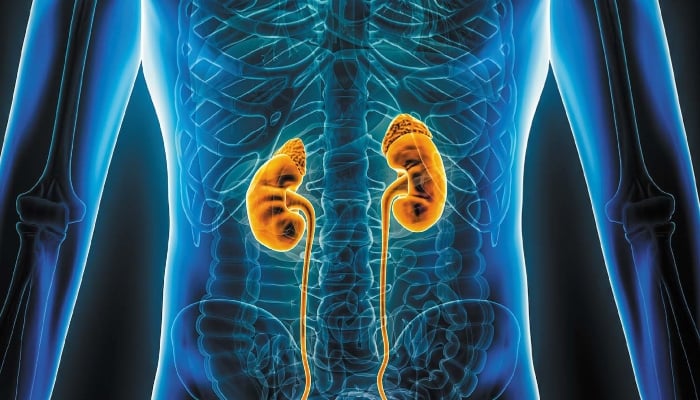
Kidney disease can develop slowly, and many people feel well during its early stages.
This is mainly why older adults should know the possible warning signs and ask about simple tests when they have risk factors.
The kidneys are two small organs that clean waste and extra water from the blood. They also help control blood pressure and support healthy bones and red blood cells. When they are damaged, performing these bodily functions become harder.
Diabetes and high blood pressure are two major causes of long-term kidney disease. The risk also rises with heart disease, family history age.
However, getting older does not automatically mean a person has kidney disease.
Changes in urination can be one clue. Someone may need to use the bathroom more often at night, notice foamy urine or see blood in the urine. These changes have several possible causes, but they deserve medical attention.
Swelling in the ankles, feet, hands or around the eyes can happen when the body holds on to extra water and salt. Kidney problems are one possible reason, but heart conditions and some medicines can cause swelling too.
Unusual tiredness is another possible sign. Damaged kidneys may make less of a hormone that helps the body produce red blood cells. This can lead to a shortage of red blood cells and leave someone feeling weak or exhausted.
As kidney disease becomes more serious, people may lose their appetite, feel sick, develop itchy skin or struggle to concentrate. Some also experience muscle cramps or poor sleep.
However, none of these symptoms alone proves that the kidneys are damaged but once changes occur, it is important to seek medical attention.
The most important point is that early kidney disease often has no obvious symptoms. But a blood test can show how well the kidneys filter waste. A urine test can check for protein that may be leaking through damaged filters.
Detecting the problem early can make a real difference and treatment for kidney disease may include but not be limited to medicines that treat kidney problems, controlling blood pressure and blood sugar, reviewing medicines, eating less salt and avoiding smoking.



-
 Is workplace stress taking a toll on your mental health? How to recognise anxiety
-
 Virginia reports first measles-related death amid measles elimination status loss
-
 Pancreatic cancer treatment sees major breakthrough with latest medicine
-
 Higher cholesterol linked to severe depression? Research answers pressing question
-
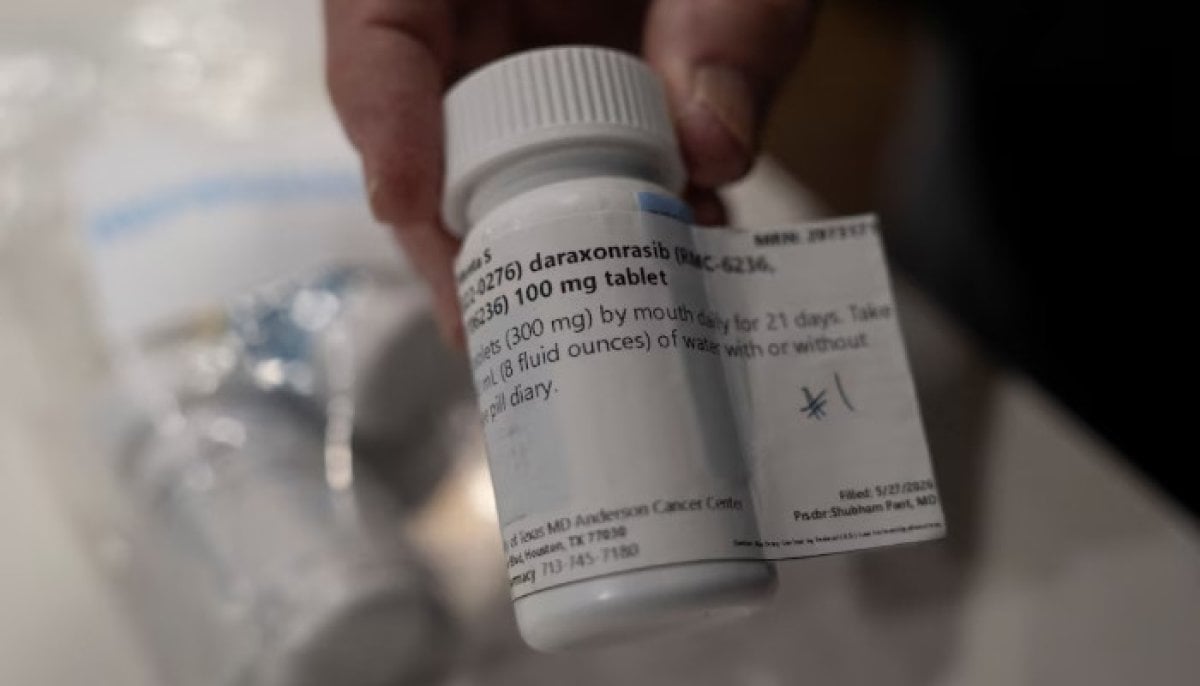 New pancreatic cancer drug makes tumours disappear in some patients during trial
-
 Allergy myth debunked by scientist in latest research
-
 Scientists determine major cause of depression
-
 What happened to the viral TikToker who swallowed a suppository?