Cancer cells can turn back into normal cells, claim Korean scientists
Rather than destroying tumors with radiation or drugs, the new gene-network approach guides malignant cells back to their original healthy identity
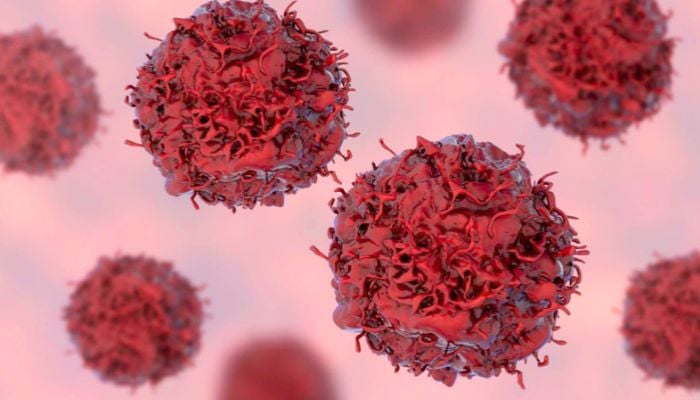
Researchers at the Korea Advanced Institute of Science and Technology (KAIST) have developed a breakthrough gene-reprogramming technique that turns cancer cells back into normal, healthy cells without destroying them
Led by Professor Kwang-Hyun Cho of KAIST’s Department of Bio and Brain Engineering, the team used a computational digital-twin model of human gene networks to pinpoint the exact "molecular switch" that controls cell identity during tumor development.
By suppressing three key regulatory genes—MYB, HDAC2, and FOXA2—scientists successfully halted uncontrolled tumor growth in human colon cancer cells and reprogrammed them to behave like normal intestinal cells.
Unlike conventional chemotherapy and radiation—which aim to kill malignant cells but often trigger severe side effects, damage surrounding tissue, and lead to drug resistance—the new "cancer reversion" approach guides tumor cells back to their original healthy state.
In laboratory and animal tests, the reverted cells showed dramatically reduced tumor-forming ability while leaving healthy cells largely unaffected.
Published in the peer-reviewed journal Advanced Science, the findings have been transferred to BioRevert Inc. to advance the technology toward human clinical trials.


-
 Does smoking increase infertility risk? WHO explains the dangers
-
 Doctor sheds light on how to detect sugar problems early with simple sign
-
 COP31 climate talks in Turkey near a close: Delegates issue reactions
-
 Gordon Ramsay reveals morning habit that could lower cancer risk
-
 Kidney disease warning signs laid bare: Signs that need attention
-
 Is workplace stress taking a toll on your mental health? How to recognise anxiety
-
 Virginia reports first measles-related death amid measles elimination status loss
-
 Pancreatic cancer treatment sees major breakthrough with latest medicine