FDA clears first age-reversal gene therapy trial for vision loss
The Phase 1 trial tests an experimental cellular-rejuvenation therapy designed to restore damaged optic nerve cells in older adults.
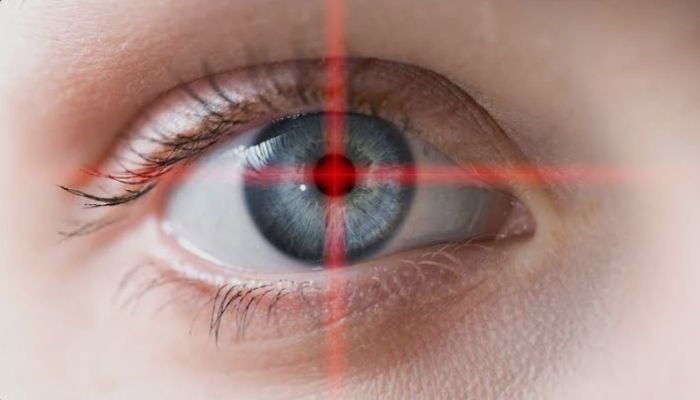
The U.S. Food and Drug Administration (FDA) has cleared the first-in-human clinical trial of ER-100, an experimental gene therapy designed to reverse age-related vision loss by rejuvenating damaged optic nerve cells.
Developed by Boston-based biotech company Life Biosciences, co-founded by Harvard Medical School geneticist David Sinclair, ER-100 uses partial epigenetic reprogramming to restore damaged retinal ganglion cells.
The Phase 1 trial targets patients with open-angle glaucoma (OAG) and non-arteritic anterior ischemic optic neuropathy (NAION), commonly known as an "eye stroke," for which no approved treatments currently exist.
How the Therapy Works:
ER-100 uses a modified virus delivered through a single eye injection to introduce three Yamanaka factors—OCT4, SOX2 and KLF4 (OSK)—into retinal ganglion cells.
By omitting the fourth factor, c-Myc, the approach aims to reset the cells' aging epigenetic patterns to a younger state without erasing their identity or triggering uncontrolled cell growth.
Patients also take oral doxycycline for eight weeks to regulate the activation and deactivation of the therapeutic genes.
Clinical Trial and Timeline:
The FDA granted Investigational New Drug (IND) clearance in January 2026, allowing the company to begin human testing.
Patient dosing started in June 2026, and the Phase 1 study is advancing through higher dose levels following encouraging early safety findings in glaucoma patients.
The therapy previously demonstrated vision-restoration potential in primate studies. Primary completion of the clinical trial is expected in May 2027, with early clinical readouts emerging in late 2026.
Importantly, ER-100 remains an experimental therapy undergoing Phase 1 testing to evaluate safety and preliminary efficacy.
It has not been approved as a commercial treatment or established as a cure for vision loss.


-
 Cancer cells can turn back into normal cells, claim Korean scientists
-
 Does smoking increase infertility risk? WHO explains the dangers
-
 Doctor sheds light on how to detect sugar problems early with simple sign
-
 COP31 climate talks in Turkey near a close: Delegates issue reactions
-
 Gordon Ramsay reveals morning habit that could lower cancer risk
-
 Kidney disease warning signs laid bare: Signs that need attention
-
 Is workplace stress taking a toll on your mental health? How to recognise anxiety
-
 Virginia reports first measles-related death amid measles elimination status loss