Herpes virus associated with 48% raised odds of Dementia and Alzheimer's, study
Scientists suggested that HSV-1 infection and its potential reactivation could contribute to inflammation, immune response
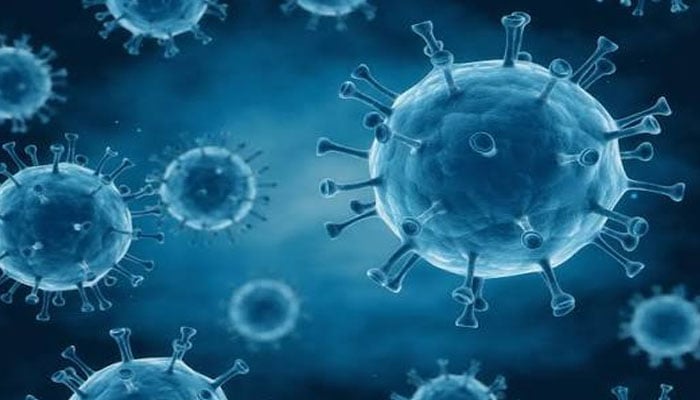
A meta-analysis of 11 studies involving 56,292 people has associated herpes simplex virus type 1 (HSV-1) infection to significantly increased odds of dementia and Alzheimer's disease.
Scientists at the University of Southern California's Keck School of Medicine found that people with HSV-1 had 1.48 times the odds of developing dementia or Alzheimer's disease in contrast to people without any infection.
As per an analysis published in Open Forum Infectious Diseases on November 23, 2026, the analysis included participants with an average age of 66.1 years.
Scientists suggested that HSV-1 infection and its potential reactivation could contribute to inflammation, immune response and biological changes linked to neurodegeneration.
HSV-1 affects an estimated two-thirds of the global population under 50 and can remain dormant in the nervous system for life. This makes the possible link significant, although researchers stressed that the findings do not establish a direct cause-and-effect relationship.
Furthermore, scientists stressed the need for further studies and clinical trials to determine whether antiviral treatments or vaccines could minimise the risk of dementia.
Experts cautioned against using HSV-1 testing or antiviral medication for dementia prevention based on the current evidence.
The findings add to increasing research into potential associations between viral infections and cognitive decline; however, further probe is required to establish whether preventing or treating HSV-1 could help protect brain health.



-
 Depression medicine used by millions has one dangerous symptom, pharmacist warns
-
 High cholesterol warning signs to never ignore
-
 Adolescents show worsening signs of mental health: Find out why
-
 Vitamin D found to lower risk of harmful Alzheimer's proteins
-
 China introduces measures for elderly care
-
 FDA clears first age-reversal gene therapy trial for vision loss
-
 Cancer cells can turn back into normal cells, claim Korean scientists
-
 Does smoking increase infertility risk? WHO explains the dangers