One common mistake elevates blood pressure readings by 7 points, study warns
Clinical researchers reveal that improper arm positioning during routine checkups can significantly skew diagnostic results and lead to false hypertension readings

For a proper health diagnoses your medical reading should be accurate to determine the specific health condition.
Qouting an example, a common mistake during blood pressure checks could make readings appear substantially higher than they really are.
As reported by health experts, a clinical study released this week shows, a common oversight during routine medical checkups can artificially inflate blood pressure readings by an average of nearly 7 points.
Johns Hopkins researchers found that leaving the arm unsupported can raise systolic readings by about 6.5 mmHg, potentially affecting a hypertension diagnosis.
In a report on the study, published in JAMA Internal Medicine, researchers compared three arm positions:
An arm supported on a desk, an arm supported on a lap, and an unsupported arm hanging at the patient's side.
They found that resting the arm on the lap increased systolic pressure (the top number in a BP reading) by nearly 4 mmHg, while allowing the arm to hang unsupported at the side increased systolic pressure by nearly 7 mmHg.
The researchers said that the findings reinforce clinical recommendations that call for the patient's arm to be firmly supported on a desk or another surface during blood pressure measurement.
According to the American Heart Association, nearly half of U.S. adults have elevated blood pressure, a diagnosis made when the measured force of blood flowing through blood vessels is higher than what is generally considered normal, on average 120/80.
If left untreated, high blood pressure can increase the risk of heart attack, stroke and other serious cardiovascular problems.
Hypertension often produces few or no noticeable symptoms, making early and regular screening during routine medical visits an important part of managing the condition.
In many cases, blood pressure can be controlled through lifestyle changes such as weight loss, healthy diets and exercise, along with treatment using any of a variety of medications.
Researchers investigating diagnostic accuracy found that failing to properly support a patient's arm during a blood pressure measurement significantly distorts the data.
This simple physical error can easily trigger false alarms, misdiagnoses of hypertension, or unnecessary prescriptions and adjustments to patient care regimens.
Medical experts emphasize that healthcare providers must strictly adhere to standardized screening protocols—including proper back support, correct cuff sizing, and keeping the arm at heart level.
Addidtionally, the findings also highlight how small procedural details in everyday clinical practice carry major implications for cardiovascular health management.


-
 France confirms world's first human case of Shamonda virus; patient dies
 -
 OpenAI agents uncover brain disease leads: Here’s how
 -
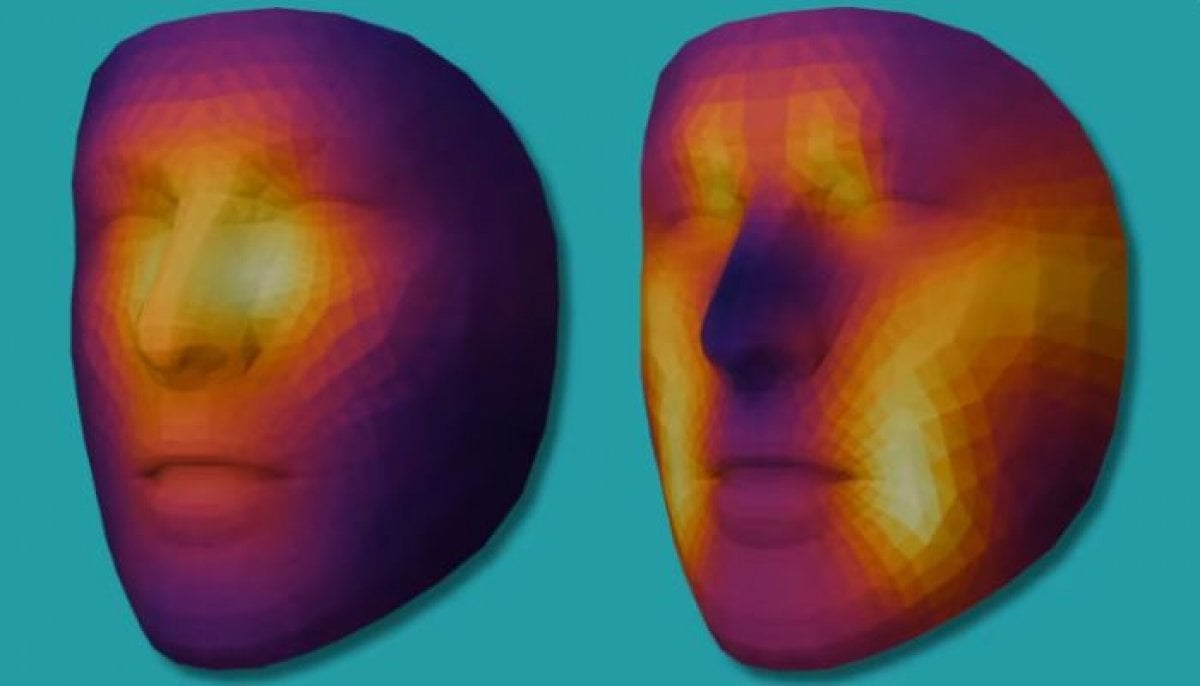 AI tool can now predict cancer survival by a single patient selfie: Find out how
 -
 Scientists identify a new type of depression affecting 1 in 4 patients
 -
 Everything to know about US FDA’s new guidance on apps used with prescription drugs
 -
 ‘Immortal’ jellyfish could hold clues to slowing human ageing
 -
 Ebola crisis worsens in DR Congo as virus reaches eighth province with over 4,500 dead
 -
 Study finds eating blueberries every day can surprisingly boost your mood
-
 Eli Lilly’s Foundayo weight-loss pill gets European approval recommendation
 -
What is BPC-157? Trump administration considers easing rules on popular peptide injections
-
West Nile virus: Europe reports 141 deaths as human cases rise in 2026
-
Health Canada reviewing new mRNA flu vaccine that could prevent more hospitalisations