New Chinese drug extends stroke treatment window from hours to 2 days: study finds
A new clinical trial shows neuroprotective drug loberamisal significantly improves stroke recovery when given within 48 hours
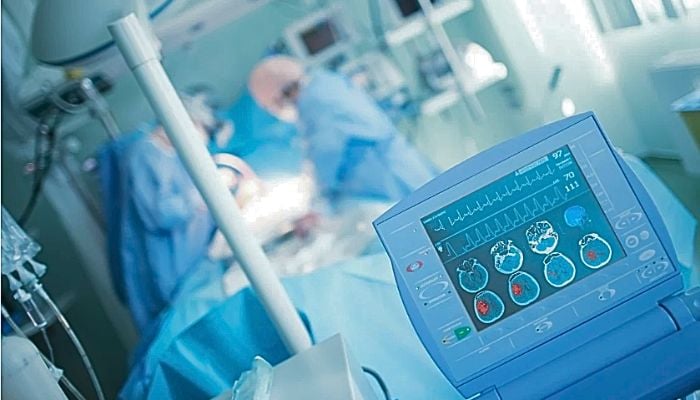
As strokes are one of the most common health issue among adults, Chinese scientists have developed a novel neuroprotective drug that successfully extends the critical stroke treatment window from hours to two days.
Strokes happen when brain cells start dying within minutes of a clot blocking an artery, leading to facial drooping, affected speech, and, in severe cases, paralysis or death.
Traditionally, emergency interventions for acute ischemic strokes such as clot-busting drugs (like alteplase) or surgical mechanical thrombectomies face a notoriously rigid, narrow time window typically ranging from 3 to 6 hours to prevent permanent brain damage or death.
Emergency treatments, such as clot-busting drugs or surgery, must be given within a maximum of six hours.
According to a study published by the top-tier Journal of the American Medical Association on September 10, clinical trials of the drug loberamisal found it was possible to expand the time available to 48 hours.
A novel small-molecule, dual-target neuroprotective drug called loberamisal has shattered that boundary, showing efficacy when started within 48 hours of symptom onset.
Results from a major randomized, phase III clinical trial involving nearly 1,000 patients across 32 hospitals demonstrated that patients treated with daily intravenous infusions of loberamisal for 10 days achieved a significantly higher proportion of functional recovery at 90 days compared to a placebo group.
The large-scale multicentre phase 3 trial found that 70 percent of patients who received loberamisal intravenously within two days of a stroke regained complete functional independence–an increase of 13 percentage points over standard care alone.
Crucially, the trial found that loberamisal did not increase the risk of serious side effects or mortality compared to the placebo group, overcoming the high bleeding risks commonly associated with late-administered traditional thrombolytic drugs.
Because many stroke victims fail to reach a hospital within the tight 3-to-6-hour window due to transit times or delayed diagnosis, neuroprotective treatments like loberamisal offer a vital secondary line of defense to preserve brain tissue and minimize long-term paralysis.


-
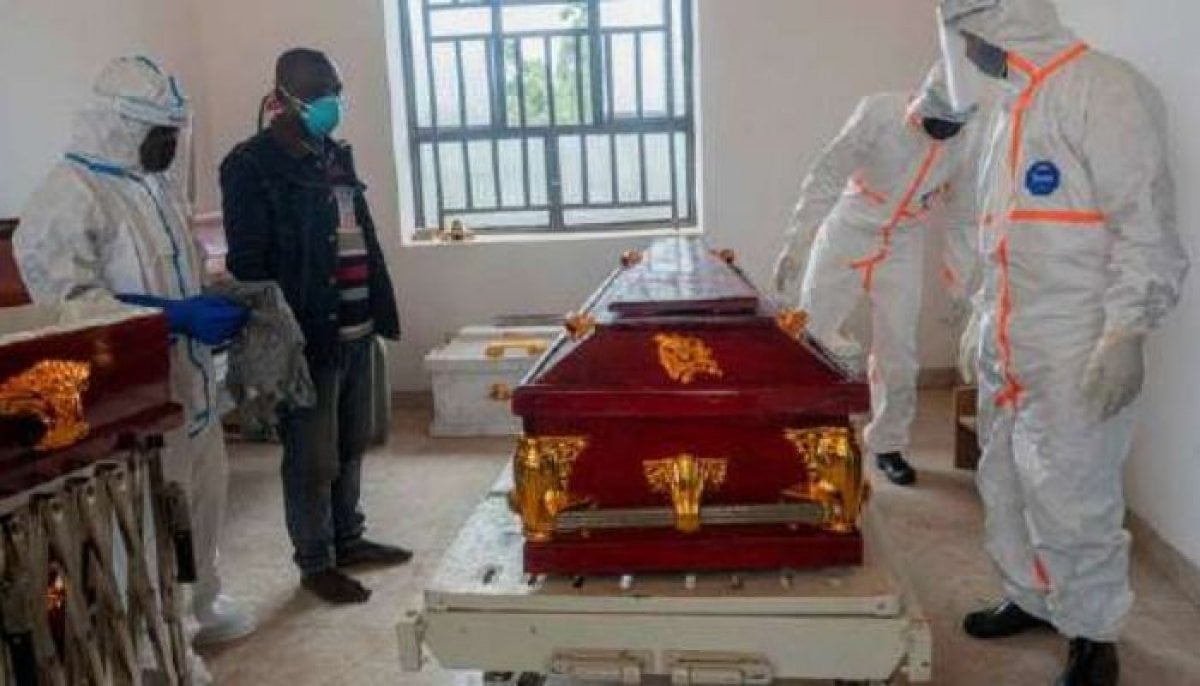 West Nile virus: Europe reports 141 deaths as human cases rise in 2026
 -
 Health Canada reviewing new mRNA flu vaccine that could prevent more hospitalisations
 -
 Scientists discover hidden drainage route at the back of the eye
 -
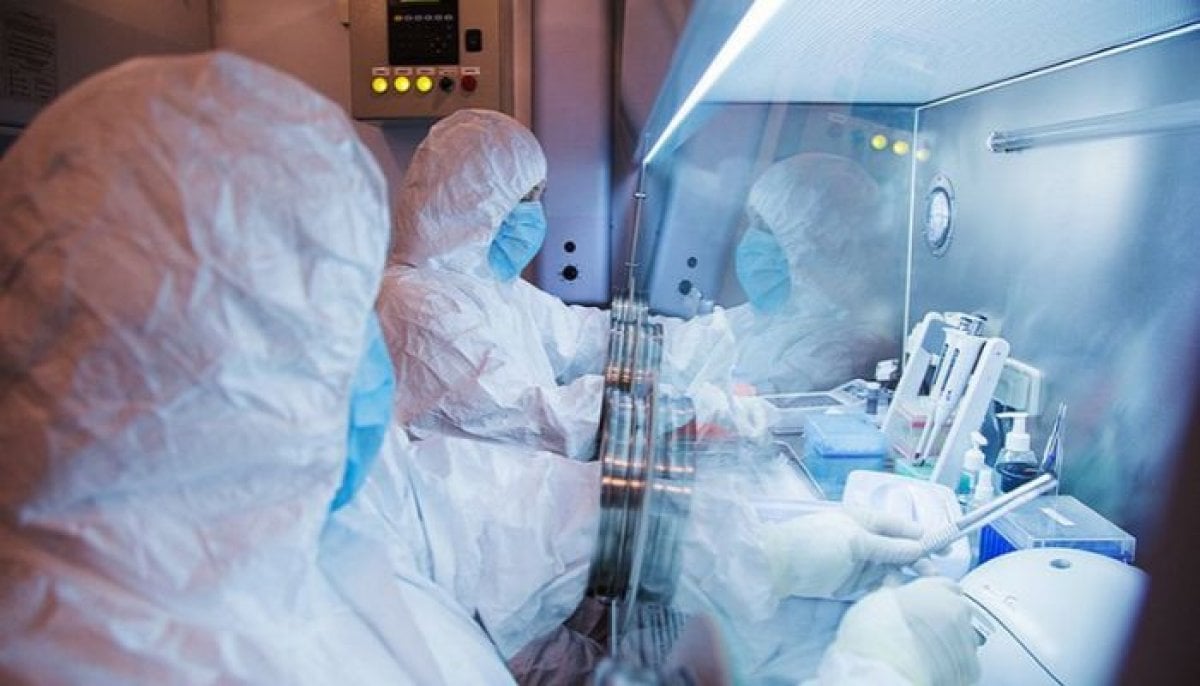 WHO confirms death at Russian research lab, says no plague case registered
 -
 Getting a $90 check from Social Security? Here’s why
 -
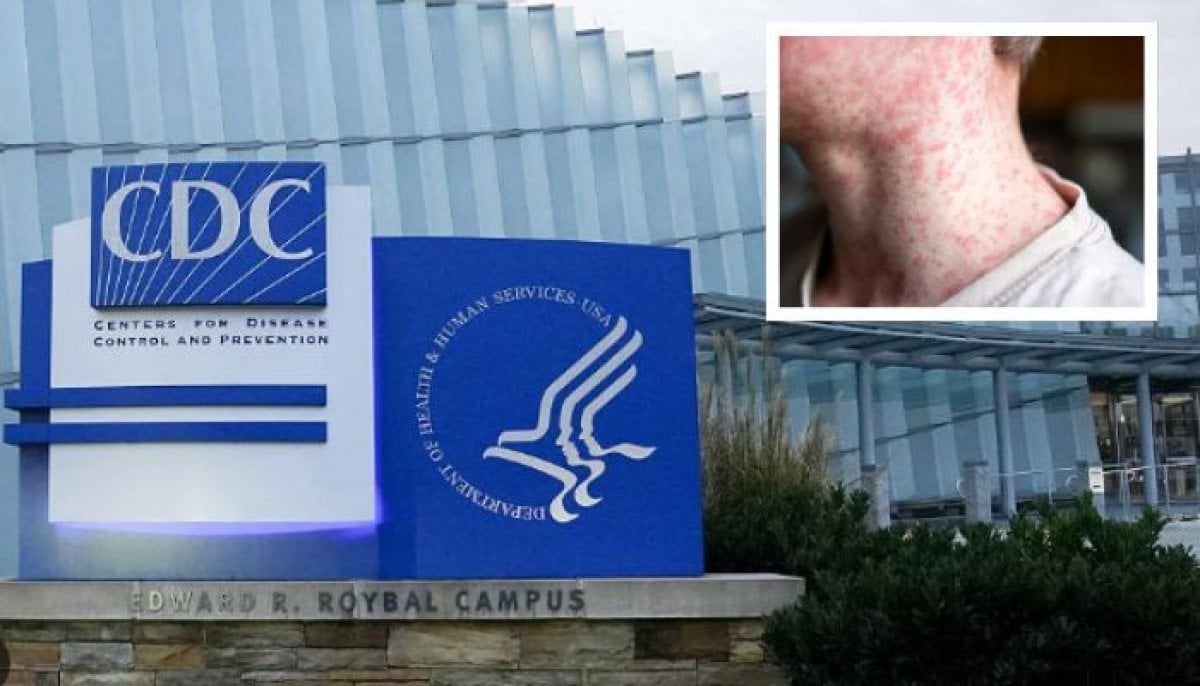 Measles cases in US top 4,000 nationwide, CDC reports
 -
 Sexually transmitted diarrhea spread in US, UK: Why antibiotics are failing against Shigella
 -
 Who is Song Li? China puts her forward for WHO leadership role
-
 CDC monitors travelers from Siberia after plague worker’s death, director says
 -
Russia pushes back on plague death reports, defends WHO notification
-
WHO deems Russia plague risk 'low' following lab technician’s fatal illness
-
New York declares Measles state of emergency amid nationwide disease resurgence