Sexually transmitted diarrhea spread in US, UK: Why antibiotics are failing against Shigella
In the US, roughly 450,000 people acquire shigellosis each year

Sexually transmitted diarrheal disease spread is on the rise in the United States and the United Kingdom caused by Shigella bacteria.
The most unsettling thing is that it is becoming harder to treat due to the spread of drug-resistant strains.
Extensively drug-resistant Shigella isolates surged from 0 percent to 8.5 percent of analysed cases in 2023 with UCLA healthcare workers now seeing roughly one case per month compared to the just one throughout all of 2022. In the US, roughly 450,000 people acquire shigellosis each year, leading to dysentery.
According to the study published in The Lancet Infectious Diseases, sexually transmitted Shigella strains in the UK spread more than twice as fast geographically compared to non-sexually transmitted strains.
Speaking about its transmission modes, it spreads through contaminated food and water, but it is now emerging as a sexually transmitted disease, particularly among gay and bisexual people.
These strains pose significant clinical hurdles because they are resistant to multiple antibiotics and currently lack any FDA-approved oral antimicrobial treatment options.
As per the researchers’ recent updates, the antibiotic-resistant sexually transmitted strains spread 71 percent faster than drug-susceptible ones.
The main driving factors behind this surge are "bystander resistance" and antibiotics prescribed for other sexually transmitted infections, such as gonorrhoea.
Clinical experts emphasize that sexually transmitted shigellosis must be recognized as a distinct public health threat requiring tailored surveillance, prevention, and treatment approaches.
They urge the public to take preventable measures such as avoid any intimacy during illness and seek proper health advice on testing and sexual health.


-
 Who is Song Li? China puts her forward for WHO leadership role
 -
 CDC monitors travelers from Siberia after plague worker’s death, director says
 -
 Russia pushes back on plague death reports, defends WHO notification
 -
 WHO deems Russia plague risk 'low' following lab technician’s fatal illness
 -
 New York declares Measles state of emergency amid nationwide disease resurgence
 -
 First-of-its-kind treatment shrinks unborn baby’s tumour before birth
 -
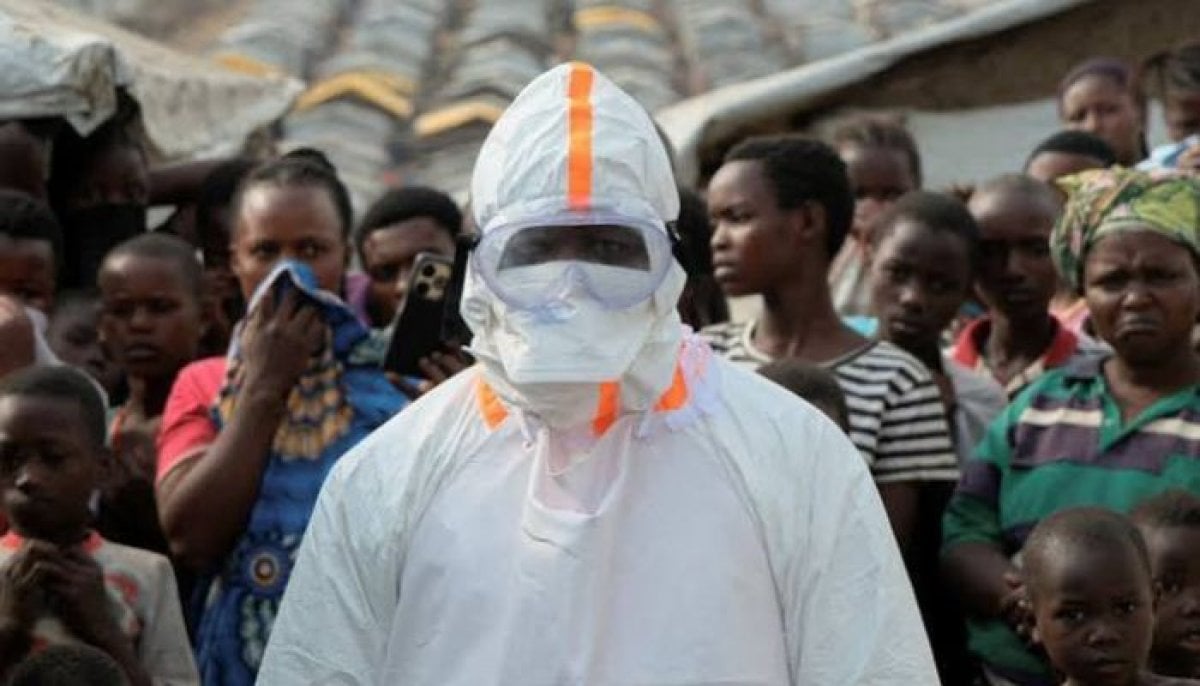 France steps up Ebola support in Congo as fears of resurgence grow
 -
 Vance’s fraud crackdown may raise health insurance costs for Americans
-
 One common mistake elevates blood pressure readings by 7 points, study warns
 -
Moderna loses US government license defense in patent case
-
Novo says new Ozempic shows lower cardiovascular risk compared with Lilly’s Mounjaro
-
University of Nottingham researchers say new gel could regrow tooth enamel in weeks