
Beyond the virus
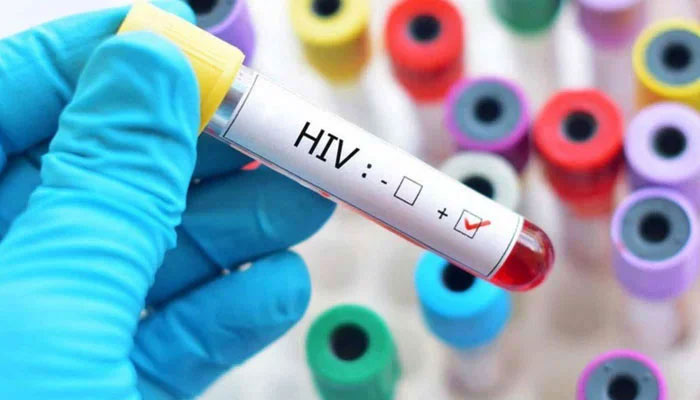
Access to justice and healthcare are constitutional rights in Pakistan, yet people living with HIV (PLHIV) face stigma, legal exclusion and neglect. Despite protections under Articles 9, 10A, 14, 25, 25A, 37 and 38, key populations such as PWIDs (people who inject drugs), sex workers, MSM and transgender individuals are marginalised.
As of 2020, HIV prevalence among PWIDs was recorded at an alarming 38.4 per cent, with equally high rates among MSM, transgender persons and sex workers. Even with this gradual climb of HIV rates, Pakistan still lacks any national legislation responding to the HIV epidemic. While Sindh is the only province with a dedicated HIV legislation, the Sindh HIV and AIDS Control, Treatment and Protection Act, 2013 is in urgent need of reform.
There is some respite in the form of AIDs control programmes and strategies operating at both the national and provincial levels, but their effectiveness is undermined by underfunding, patched implementation and policy neglect.
However, the greatest challenge people grapple with is an epidemic far more critical than HIV: indifference. Seeking justice or essential services often means facing discrimination, police intimidation, and fear.
Cut off from healthcare and excluded from society, they navigate severe difficulties. Once their HIV status is known, jobs and social protections frequently disappear. In courtrooms, HIV is associated with corruption, labelled as a ‘menace’ in society, rather than a condition requiring treatment and due care.
International approaches provide valuable insights. Portugal decriminalised drug use and reframed it as a public health issue, constituting the Commission for the Dissuasion of Drug Addiction and opening access to treatment and harm reduction rather than punishment. South Africa’s Constitutional Court in Minister of Health v Treatment Action Campaign (2002) directed government authorities to provide adequate medication and healthcare services to those affected by HIV. Rwanda presents another model, having institutionalised HIV treatment and prevention across its healthcare system, reducing stigma and improving access.
If Pakistan intends to improve the lives of the ‘key populations’, it must bridge the gap between constitutional promises and the grim realities faced by them. The first step would be to work on a unified national HIV law. A comprehensive framework is required to address prevention and care, but most importantly mechanisms which help eliminate discrimination and stigma.
Second, the people most impacted cannot remain silent. They cannot be spoken for, but rather must be at the heart of decision-making. This will ensure greater efficiency in addressing the actual and first-hand issues of key populations. Inculcating feedback from such target groups is the best way to ensure that results are grounded in reality and will make a real impact.
Third, policymaking should be grounded in evidence. The latest data should inform HIV policies. We need tools and strong monitoring systems to track progress of the interaction of impacted communities with HIV-specific measures, and correct course where needed so that laws and policies truly support HIV prevention and treatment and access to services.
Finally, constitutional guarantees must be enforced. It is essential to hold institutions accountable for ensuring that protections of dignity, access to justice and healthcare and equality are turned into a reality across all sectors. Without effective implementation and enforcement, the rights of PLHIV and key populations will continue to be undermined by the very systems designed to protect and uphold them.
Ultimately, the narrative has to change surrounding HIV. Protecting PLHIV and key populations is not symbolic but rather a constitutional obligation and a test of the state’s commitment to equality and justice. But more importantly, it starts with us and how we think and act; the police, healthcare providers, officials and community.
Nurayn Qasim Ali is serving as a judicial law clerk at the Supreme Court of Pakistan. Nayab Tarar is a lawyer working in collaboration with the UNDP to conduct a scan of HIV laws in Pakistan.







-
 'Buffy' Star Nicholas Brendon's Death Case Takes Massive Turn
 -
 FKA Twigs Takes Legal Stand Against Ex Shia LaBeouf
 -
 ‘Progressive’ Kate Middleton Snubs Outdated Royal Etiquette
 -
 Kylie Kelce Explains Why She Avoids Raising Kids With 'silver Spoon'
 -
 Meghan Markle Is Above Royal Family ‘empty Threats,’ Says Insider
 -
 Anne Hathaway Opens Up About 'defeated' Feeling As Working Mom
 -
 Shamed Andrew Should Testify In Epstein Case As ‘act Of Service’
 -
 What Really Happened Before Nicholas Brendon Was Found Dead At Home?
 -
 Sarah Ferguson Branded ‘most Famous Missing Person’ In UK Right Now
 -
 Why King Charles Does Not Need A Driving License? Expert Reveals
 -
 Did Graham Norton Really Sign NDAs For Taylor Swift’s Wedding?
 -
 ‘Polite’ King Charles Treats Staff Better Than ‘boorish’ Andrew
 -
 Princess Beatrice's Husband Raises Eyebrows With Deleted Instagram Post
 -
 Dua Lipa 'snubs' Priyanka Chopra
 -
 Will Taylor Frankie Paul Still Get Her 'Bachelorette' Salary?
 -
 'Harry Potter' Returns: First Glimpse Of HBO's New Series