
India’s failing spin
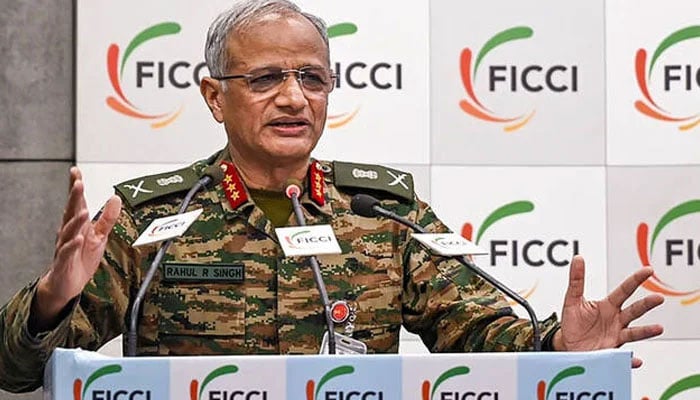
It’s quite simple: India’s recent attempt to implicate China and Turkey in its May border clash with Pakistan smacks of desperation. The accusation, made by India’s deputy army chief Lieutenant-General Rahul Singh, that Beijing provided Islamabad with real-time intelligence during the conflict – and that Ankara was actively backing Pakistan – has rightly been dismissed by COAS Field Marshal Asim Munir as a “shoddy attempt at playing camp politics". At a time when regional powers should be de-escalating tensions, India appears to be fueling paranoia, seeking to reframe a bilateral military debacle into a geopolitical drama. The army chief’s assertion that India is trying to position itself as a “net security provider” by dragging other countries into a localised conflict is correct. It reveals the insecurity behind Delhi’s strategic posturing. It is no secret that India’s military failures during May’s Operation Sindoor have rattled its top brass. What is troubling, however, is that instead of reflecting on the operational missteps, Delhi is investing in narrative spin by targeting external powers, exaggerating threats and feeding nationalist sentiment through pliant media.
India’s inability to meet its own stated military objectives has exposed the gaps in its strategic planning and readiness. Despite its soaring defence budget and imported high-tech weaponry, India could not translate advantage into success on the battlefield. That the Indian government still refuses to officially acknowledge its losses, including reports of downed jets and fallen Rafale pilots, is telling. Instead, honours have quietly been awarded to the dead, their stories hidden behind a curtain of silence. This lack of transparency not only insults the public’s right to know but also reflects the anxiety within Indian military and political circles about admitting vulnerability. In contrast, Pakistan’s stance has been marked by consistency and clarity. Pakistan’s army chief has rightly pointed out that wars are not won through “media rhetoric, imported fancy hardware or political sloganeering". Rather, Pakistan has pursued a principled foreign policy rooted in mutual respect and regional stability, one that appears to be gaining traction globally. India’s attempt to isolate Pakistan diplomatically has backfired. Whether it was India’s refusal to sign the SCO joint communique or the Quad and Brics’ omission of Pakistan in its condemnation of the Pahalgam attack, it is clear that global powers are increasingly unwilling to buy into Delhi’s narrative.
Even more revealing is the admission by Lt-Gen Singh of India’s supply chain vulnerabilities. This rare moment of candour stands in stark contrast to the otherwise jingoistic tone of Indian officialdom. But one truth cannot mask another: India miscalculated in May and is now trying to rewrite history. Pakistan, on the other hand, has demonstrated not just military competence but also diplomatic maturity. It has resisted the temptation to engage in propaganda wars, focusing instead on long-term partnerships and regional peace. If India truly seeks a leadership role in the region, it must abandon its current trajectory of denial and deception. Blaming others will not change battlefield outcomes. Only a willingness to confront uncomfortable truths can lay the groundwork for real peace. One hopes India does the first sensible thing since 2014 and chooses dialogue over delusion.







-
 Prince Harry, Meghan Markle Mocked Over ‘out Of Touch’ Netflix Project
 -
 Vancouver Canucks Call Up Ty Mueller From Abbotsford As Season Nears End
 -
 Trump Vows To Hit Iran ‘extremely Hard’ In Next Three Weeks As Conflict Scales Up
 -
 NASA Artemis II Historic Rocket Launch: Spacecraft Successfully Enters Earth Orbit
 -
 Is Somber In A Relationship Or Single? The Singer Reveals
 -
 NASA Artemis II Lifts Off, Sending Cubesats Into Deep Space Study
 -
 Avalanche Star Nathan MacKinnon Reaches 50 Goals Milestone As Canucks Win Thriller
 -
 Vanessa Trump Remains Loyal To Tiger Woods After DUI Arrest: Report
 -
 Colorado Avalanche Injury Update: Cale Makar To Miss Time With Upper-body Injury Ahead Of Playoffs
 -
 Beatrice, Eugenie To Miss Easter Service Because Of Prince William, Kate?
 -
 Pink Moon 2026: When To See April’s Full Moon And Why It Won’t Look Pink In The Sky
 -
 King Charles In ‘pain’ As Beatrice, Eugenie Miss Royal Easter Gathering
 -
 Reese's Peanut Butter Cups To Return To Classic Chocolate Recipe Following Public Backlash
 -
 Why Howie Mandel Regrets Apologizing To Kelly Ripa For Tense On-air Exchange
 -
 TDSB Vice Principal Jobs Cut As Board Removes 40 Roles Amid Funding Loss, Enrolment Decline
 -
 Earthquakes Hit Indonesia Off Ternate, Triggering Tsunami Warning That Is Now Lifted