
CEC talks
What is needed now is agreement on names as well as broader and more substantive dialogue on how to ensure next elections are free, fair and free of controversy
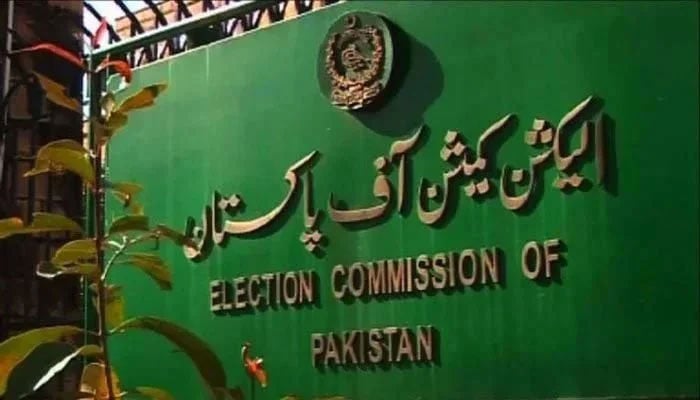
At long last, Prime Minister Shehbaz Sharif has extended a formal invitation to National Assembly Opposition Leader Omar Ayub for consultations on appointing a new chief election commissioner (CEC), a move both overdue and essential. The delay had already prompted the PTI to seek judicial intervention, citing constitutional obligations and the urgent need to fill key vacancies in the Election Commission of Pakistan (ECP). This meeting must not become yet another performative political ritual; it should serve as the foundation for restoring public trust in the electoral process. The constitution is clear: the prime minister and the leader of the opposition must consult to agree on nominees for the positions of CEC and ECP members. If consensus is achieved, the names go to a parliamentary committee for final approval. If not, both sides submit separate lists for the committee to choose from. These may come across as procedural formalities but really they are built-in safeguards to ensure that elections are managed by individuals who enjoy the confidence of both the government and the opposition.
This is especially critical in a country where the past two general elections have been marred by controversy, accusations of rigging and unprecedented levels of political polarisation. In such a context, the neutrality and credibility of the ECP become paramount. Observers have rightly argued that the next CEC must be someone who commands respect across the political spectrum – someone who can inspire public confidence in the sanctity of the ballot. However, the task at hand extends far beyond just selecting the right person. As the case of former CEC Sikandar Sultan Raja shows, even a consensus candidate can later become a scapegoat in the blame games that dominate Pakistani politics. What is needed now is an agreement on names as well as a broader and more substantive dialogue on how to ensure the next elections are free, fair and free of controversy. This includes everything from pre-poll transparency to result transmission systems – areas where the ECP has previously faltered, eroding public trust.
For this to happen, both the government and the opposition must act with maturity and foresight. The government must demonstrate that it is serious about democratic reform, not just box-ticking. The PTI, on the other hand, must decide whether it wants to play the role of a responsible political party or continue down a path of self-destructive confrontation. Refusing to engage in parliamentary processes is a dereliction of duty. Participating in these talks does not betray the PTI’s voter base but actually helps uphold the very democratic values the party’s supporters say they are fighting for. There can be no real democracy without credible elections. And credible elections cannot happen without a strong, impartial and trusted election commission. The appointment of a new CEC is the first step towards that goal, but only if it is handled with the seriousness it deserves. So the people of Pakistan not deserve better than disputed elections and stolen mandates? They do. They deserve a system where governments come to power through transparent processes and where losing parties accept the results without suspicion or protest. That ideal can only be achieved if all stakeholders commit today to a fair, inclusive and forward-looking electoral process.







-
 'Buffy' Star Nicholas Brendon's Death Case Takes Massive Turn
 -
 FKA Twigs Takes Legal Stand Against Ex Shia LaBeouf
 -
 ‘Progressive’ Kate Middleton Snubs Outdated Royal Etiquette
 -
 Kylie Kelce Explains Why She Avoids Raising Kids With 'silver Spoon'
 -
 Meghan Markle Is Above Royal Family ‘empty Threats,’ Says Insider
 -
 Anne Hathaway Opens Up About 'defeated' Feeling As Working Mom
 -
 Shamed Andrew Should Testify In Epstein Case As ‘act Of Service’
 -
 What Really Happened Before Nicholas Brendon Was Found Dead At Home?
 -
 Sarah Ferguson Branded ‘most Famous Missing Person’ In UK Right Now
 -
 Why King Charles Does Not Need A Driving License? Expert Reveals
 -
 Did Graham Norton Really Sign NDAs For Taylor Swift’s Wedding?
 -
 ‘Polite’ King Charles Treats Staff Better Than ‘boorish’ Andrew
 -
 Princess Beatrice's Husband Raises Eyebrows With Deleted Instagram Post
 -
 Dua Lipa 'snubs' Priyanka Chopra
 -
 Will Taylor Frankie Paul Still Get Her 'Bachelorette' Salary?
 -
 'Harry Potter' Returns: First Glimpse Of HBO's New Series