
The unbearable weight of plastic
Properly managed landfills and next-generation chemical recycling are part of answer that Pakistan can adopt to beat plastic pollution
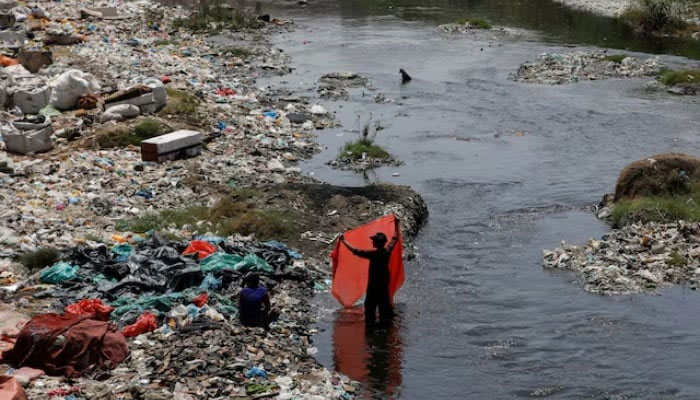
From the clogged drains of Lahore and Karachi, to the crop fields of southern Punjab, and along the Indus River where it meets the Arabian Sea, plastic waste is everywhere.
Whether it is plastic wrappers tangled in crops, polyethene bags choking storm drains, or turtles ingesting bottle caps off the coast – Pakistan is awash in the very material once heralded as the hallmark of modern convenience. However, Pakistan is not alone in it. Plastic pollution is a global menace. Which is why the world is observing World Environment Day today, with the theme ‘Beat Plastic Pollution’.
Pakistan is estimated to generate nearly 3.5 to 4 million tonnes of plastic waste annually. A substantial portion (up to 70 per cent) remains uncollected or mismanaged. In urban centres, single-use bags and food packaging overwhelm weak waste systems, clogging drains and worsening urban flooding. In rural areas, plastic mulching sheets, discarded drip irrigation pipes, and packaging waste (which often contain hazardous chemicals such as pesticides and herbicides) litter farmland, degrading the soil and posing a risk to livestock.
In the country’s fragile marine ecosystem, the Indus River, already among the most plastic-polluted rivers globally, carries tonnes of waste into the Arabian Sea, endangering fisheries, biodiversity and coastal tourism.
The economic cost is no less alarming. Urban flooding causes billions of rupees worth of infrastructure damage. Farmers face declining yields due to soil degradation, and fishermen report that plastic waste now outnumbers fish in their nets. Burning plastic waste pollutes the air, exacerbating respiratory illnesses and imposing health costs on already strained systems. Amidst Pakistan’s chronic economic challenges, these invisible costs silently erode public finances and human development alike.
However, tackling plastic pollution through knee-jerk bans and slogans is neither desirable nor practical. In its April 2025 stories on plastics, The Economist magazine offers a valuable perspective on how to frame the problem. The magazine reminds us that plastics are not inherently evil. Quite the opposite, in fact: the modern world, and particularly much of the developing world, relies heavily on plastic’s unique combination of low cost, durability and lightness.
The magazine highlights that a litre of water in a plastic bottle weighs only five per cent of what it would in glass, and packaging meat or milk in plastic reduces spoilage and emissions far more than traditional methods. Plastic pipes have made housing cheaper; plastic components are indispensable in mobile phones and solar panels. The global plastics trade, valued at $1.2 trillion annually, has enabled goods, ranging from powdered milk to meat, to reach communities that would otherwise remain excluded.
If plastic hadn’t replaced ivory, tortoiseshell and exotic wood, the environmental damage to biodiversity would have been far worse, argues the piece. Without plastic syringes (for vaccines) and PPE, the Covid-19 response would have crumbled, allowing the pandemic to sweep away the human race. Plastic’s lightweight has reduced freight emissions. Its role in food preservation helps feed millions affordably.
As The Economist rightly puts it – and I concur – the issue is not that plastic exists, but that we have failed to manage it effectively. The real issue is that of the 350 million tonnes of plastic discarded annually worldwide, only nine per cent is recycled. Around 50 per cent ends up in landfills, and nearly one-third isn’t collected at all, left to clog rivers or be burned in the open air. A staggering 95 per cent of all plastic packaging is used once and discarded. There is also the fact that much of the world's plastic recycling still relies on informal workers, who are often exposed to unsafe and degrading conditions.
What’s worse, even when recycling is attempted, it often proves technically and economically unviable. Most plastics degrade with each cycle. Sorting is labour-intensive; additives and dyes make certain plastics unrecyclable. Many types of recycled plastics tend to be more expensive than virgin alternatives. This has led many wealthy nations to export plastic waste to developing countries, including Pakistan, where the recycling industry utilises a portion of this imported waste. However, due to weak regulatory oversight, a significant quantity of this waste ends up incinerated, dumped or in rivers.
Many in developing countries have grown up in a society which was less reliant on plastics. Until a few decades ago, shoppers in these countries used to carry their own cloth bags and utensils for grocery shopping or buying milk. Many have been making a refundable deposit for glass bottles of soft drinks until the introduction of PET bottles. However, even in developing countries, a complete ban on plastic is not viable.
As mentioned earlier, plastic is the most cost-effective method for airtight storage and transportation of many products, including various food items. Until sustainable alternatives become both affordable and scalable, bans on plastics risk shifting the problem rather than solving it.
Plastic pollution in Pakistan will not be solved overnight. But tackling it is not impossible. The country can transition to a plastic-resilient economy with better policy design, consumer awareness, industry co-responsibility and global partnerships.
Instead of imposing overnight bans which don’t even get enforced, Pakistan should take three steps to improve the management of plastic pollution: rationalise use, invest in better disposal, and back policies with enforcement mechanisms.
First, we must reduce avoidable single-use plastics (SUP), particularly low-value items like plastic cutlery, straws, and ultrathin shopping bags. Existing bans on SUP, such as the one enforced in Islamabad (and announced in Sindh and Punjab), need to be replicated across all provinces, backed by strict enforcement, not merely cosmetic compliance. Second, the state must invest in infrastructure: dedicated recycling hubs, waste segregation systems in municipalities, pilot projects for circular plastics and registration of informal waste collectors to improve their working conditions. Public-private partnerships can help recover value from post-consumer plastic, turning bottles into roads, pipes, or insulation.
Third, Pakistan must legislate Extended Producer Responsibility (EPR) schemes, holding manufacturers accountable for plastic waste through buy-back mandates and minimum recycled content requirements. Existing regulations and recent climate policies are a good start, but they require effective implementation, adequate funding and transparency.
Beyond domestic action, international alignment is key. Pakistan has rightly joined the Global Plastics Treaty negotiations, but it must negotiate harder for technical and financial support. Rich countries that offload their plastic waste onto the developing world should co-finance recycling infrastructure and technology transfers. The same logic that drives climate finance applies here: Pakistan bears the consequences of consumption patterns it did not initiate.
Innovative methods are emerging. From Finnish firms using incineration by-products as plastic feedstock, to countries like Turkey integrating energy recovery in waste management, the world is moving beyond the binary of ‘ban vs pollute’. Properly managed landfills, advanced incineration with carbon capture and next-generation chemical recycling are part of the answer that Pakistan can adopt to beat plastic pollution.
While I would love to see some of our old traditions revived (cloth bags, and carrying our own utensils to buy milk), which now form the foundation of the modern-day circular economy, I also think that beating plastic pollution is not about vilifying a material that has built the modern world. It's about changing our relationship with it – using what we need, designing for circularity and managing the waste we generate.
The writer heads the Sustainable Development Policy Institute (SDPI) and is a member of the advisory board of the Asian Development Bank Institute. He tweets/posts @abidsuleri


