
Sweeping policy changes planned in auto sector
At same time, Islamabad is set to raise GST on locally produced vehicles above 850cc to standard 18%
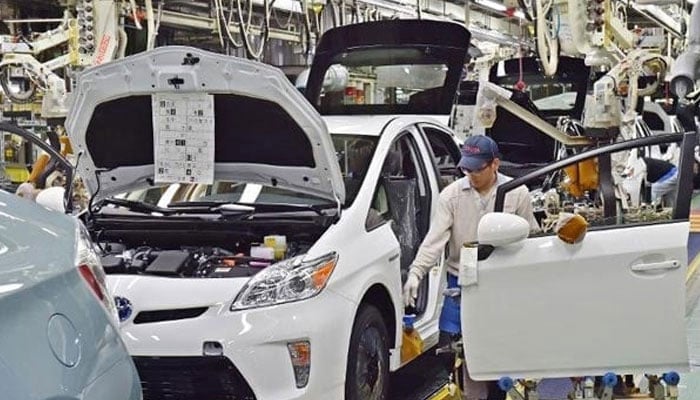
ISLAMABAD: Pakistan is poised to make sweeping changes to its automobile policy in its FY2025-26 budget, including allowing used vehicle imports up to five years old, hiking taxes on luxury and mid-range cars, and scrapping tax relief for locally assembled vehicles—all under the International Monetary Fund’s (IMF) reform agenda aimed at deepening market competition and widening the tax base, officials familiar with the matter told The News.
The most important shift would extend the import age limit for used vehicles—currently capped at three years for cars—to five years across the board. The proposal, now under review at the Ministry of Finance, could dramatically alter consumer choices and pressure local assemblers. At the same time, Islamabad is set to raise the general sales tax (GST) on locally produced vehicles above 850cc to the standard 18 per cent rate from the current 12.5 per cent. The hike, targeting popular models from Japanese and Chinese brands, is expected to squeeze the middle-income market while eroding the price advantage of domestic assembly. Adding another layer, the government will sharply increase withholding taxes on vehicles starting from 1300cc, with top-tier models above 3000cc facing a jump from 12pc to 16pc. The Federal Board of Revenue (FBR) hopes the progressive tax scale will help plug fiscal gaps without directly impacting lower-income buyers.
“This is a triad strategy—allow more car imports, remove concessions, and increase tax on expensive vehicles. It follows IMF guidelines and is focused on raising more revenue,” said a senior government official involved in budget deliberations. However, independent economists warn that the move could push up the country’s import bill, which is already a major concern. To soften the blow to strategic partners like Japan, Pakistan will continue offering reduced sales tax rates for hybrid electric vehicles (HEVs) through June 2026—8.5pc for engines up to 1800cc and 12.75pc for those up to 2500cc—preserving a foothold for hybrid tech amid global electric vehicle shifts.
While the policy resets may generate short-term fiscal gains, industry players warn they could destabilize local manufacturing, widen the trade deficit, and dampen investor sentiment. “We’re being asked to compete on unequal footing while facing higher taxes and shrinking demand,” said an executive at a top local assembler.







-
 Melania Trump Appears With Humanoid Robot At White House
 -
 ‘Addictive By Design’: Meta, YouTube Found Liable In Historic Verdict
 -
 Bruce Willis' Mom Marlene Makes Another Family Amid Son's Battle With Dementia
 -
 Roblox Safety Warning For Parents: Developer Says Kids Need 24/7 Monitoring
 -
 Chelsea Handler Explains Why She Dates Younger Men
 -
 Chappell Roan's Security Guard Takes 'full Responsibility' For His Interaction With Jorginho's Daughter?
 -
 Rosalía Cuts Concert Short Over Sudden Illness, Fans Shocked
 -
 'Buffy' Star Nicholas Brendon's Death Case Takes Massive Turn
 -
 FKA Twigs Takes Legal Stand Against Ex Shia LaBeouf
 -
 ‘Progressive’ Kate Middleton Snubs Outdated Royal Etiquette
 -
 Kylie Kelce Explains Why She Avoids Raising Kids With 'silver Spoon'
 -
 Meghan Markle Is Above Royal Family ‘empty Threats,’ Says Insider
 -
 Anne Hathaway Opens Up About 'defeated' Feeling As Working Mom
 -
 Shamed Andrew Should Testify In Epstein Case As ‘act Of Service’
 -
 What Really Happened Before Nicholas Brendon Was Found Dead At Home?
 -
 Sarah Ferguson Branded ‘most Famous Missing Person’ In UK Right Now