
Policy rate
PSX rises to 116,000-point mark for first time in anticipation of rate cut
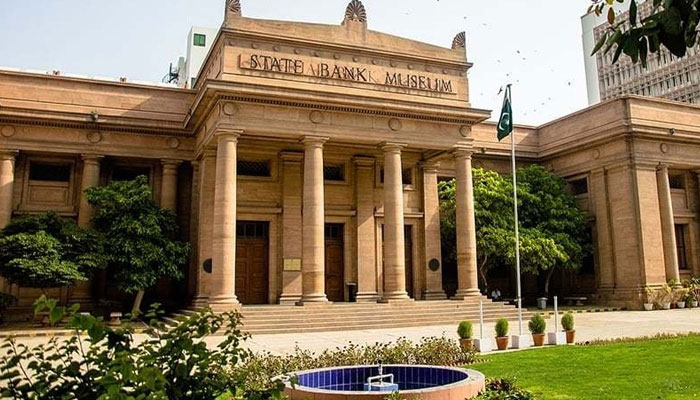
Yesterday’s Monetary Policy Committee meeting saw the MPC cut the policy rate by 200 basis points to 13.0 per cent. This is the SBP’s fifth consecutive rate cut since June of this year, with the policy rate declining by 9.0 per cent on a cumulative basis since then. The PSX, after breaking past the 100,000 points milestone last season, rose to the 116,000-point mark for the first time in anticipation of the rate cut, with most market analysts anticipating a further decline in the policy rate. The decision was mainly driven by a continued decline in food inflation and the phasing out of the impact of the hike in gas tariffs in November 2023. While headline inflation declined to 4.9 per cent year-on-year last month, in line with the MPC’s expectations, core inflation, which excludes price changes in the food and energy sectors, has proven to be more stubborn and currently sits at 9.7 per cent. The inflation expectations of both consumers and businesses also remain volatile. As such, the MPC estimates that near-term inflation may remain volatile before stabilizing within the target range of 5.0 to 7.0 per cent. However, growth prospects have slightly improved, as reflected in the recent uptick in high frequency economic indicators.
The macroeconomic outlook remained largely positive. The current account remained in surplus for the third consecutive month in October despite low financial inflows and substantial official debt repayments. This might be due to favourable global commodity prices, which had positive spillover effects on the import bill and domestic inflation. Credit to the private sector also rose, reflecting the ease in financial conditions and banks’ efforts to meet the advances-to-deposit ratio thresholds. When it comes to tax revenues, however, the shortfall from the target has only widened. Bridging this gap will be a key priority going forward, especially given the paramount need to remain within the IMF programme, and additional revenue collection measures could spoil the rosy inflation picture, along with a resurgence in food inflation and/or global commodity prices. As such, the war against inflation has not ended just yet, even though several key battles may have been won.
When it comes to ordinary consumers and citizens, the price picture is even more dubious. While the rate in price increases has slowed down drastically, most consumers are still left facing a cost-of-living that is an order of magnitude steeper than what it was just two years ago. Incomes and job opportunities have not kept pace with this rise, leaving many earning the same and able to afford less. Economic survival thus remains a struggle for the majority and the likely forthcoming revenue collection measures will only exacerbate this struggle. Retaining the political support of the people will be crucial for the government to stay on its current economic trajectory and it remains unclear as to when the citizenry’s patience with price hikes and tariffs will run out. And while growth prospects have improved, when one takes into account just how rapidly the population is growing and how much more money it takes to maintain a decent life in Pakistan now, it becomes clear that growth is still far short of being able to give most people what they need. While the stabilisation of the economy should be celebrated and the country is certainly in a better place last year, it is becoming increasingly imperative to ensure that this stabilisation also does more for people than raising their taxes.


