
1965 War: Some overlooked facts
The 1965 war, as is known, started when India crossed Pakistan’s international border on September 6, 1965. It ended on September 22 on the intervention of the United Nations. Accordingly, September 6 is known as Defence of Pakistan Day when much smaller and poorly equipped Pakistan armed forces successfully fought off a much larger adversary and denied its war aims.
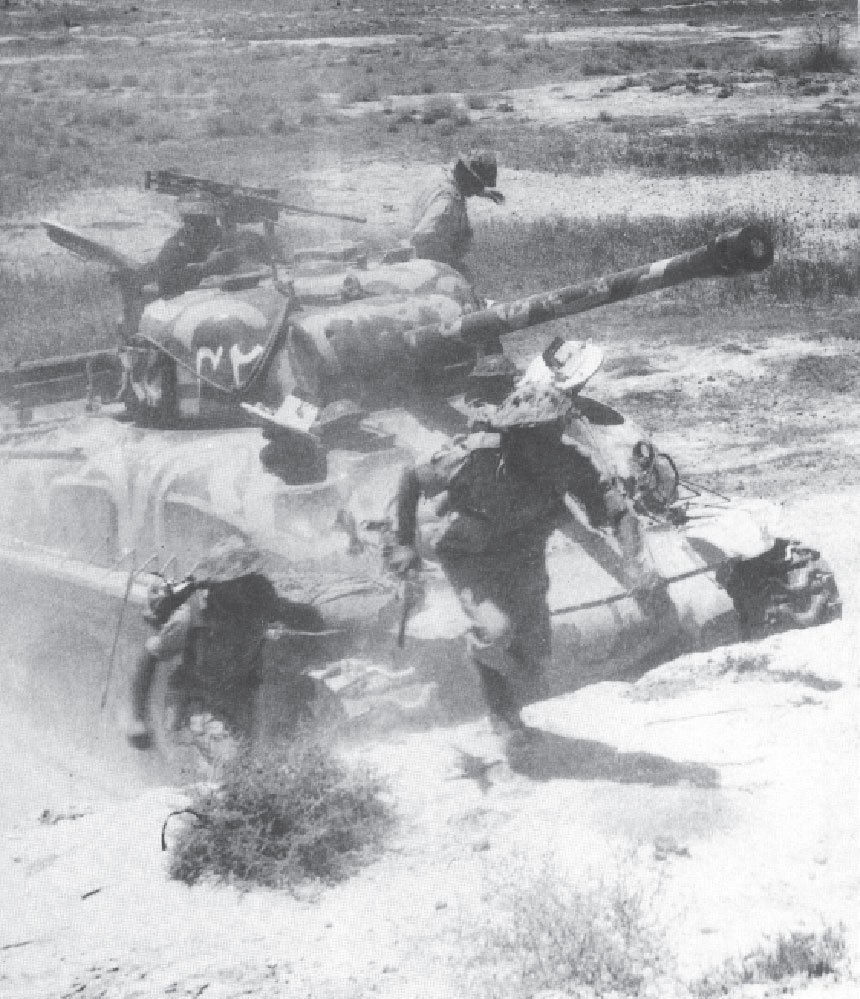
Pakistani troops in action: A dramatic picture of tank infantry assault on the Lahore front.
It was a war that was intensely fought on the ground and air. It also saw the biggest tank battle since the Second World War. Much has been written about the war, some narratives criticizing Pakistan and others India. Following is a brief list of some of repercussions/developments that emerged from the war.
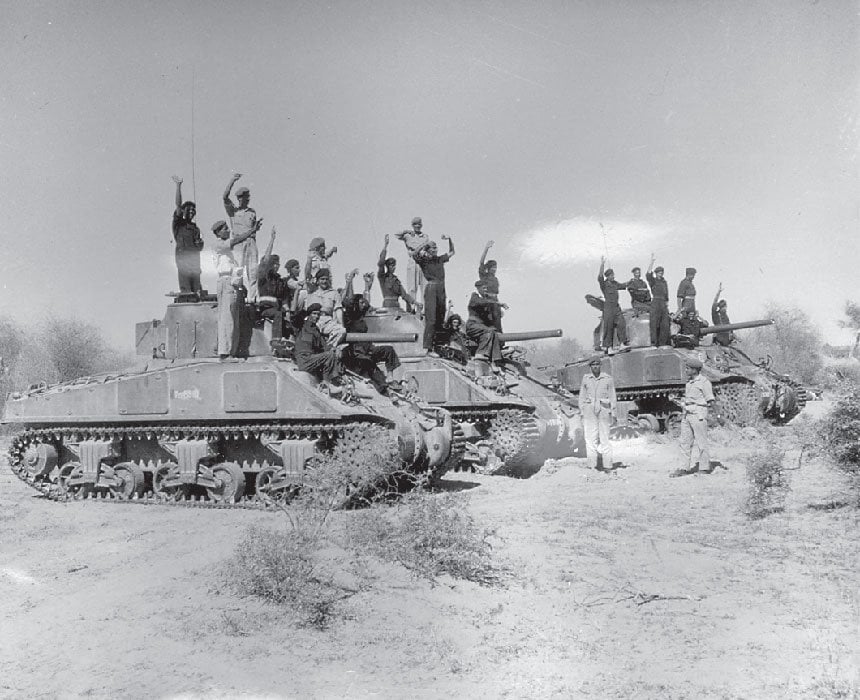
Pakistani soldiers atop captured indian tanks raise slogans of joy.
First, the 1965 war was a stern test of the people of the newly-created country. It brought them together on one platform, thereby, proving without any doubt the prowess of the people and the spirit that they showed during that period.
Second, the war launched by India confirmed that New Delhi had not accepted the creation of Pakistan as had been suspected by many people in the country at that time. A full-fledged attack on Pakistan and declarations to capture Lahore and dismember the country by the top Indian military leadership are eloquent reminders in this regard. Even today it is evident that some Indians have still not reconciled to Pakistan.
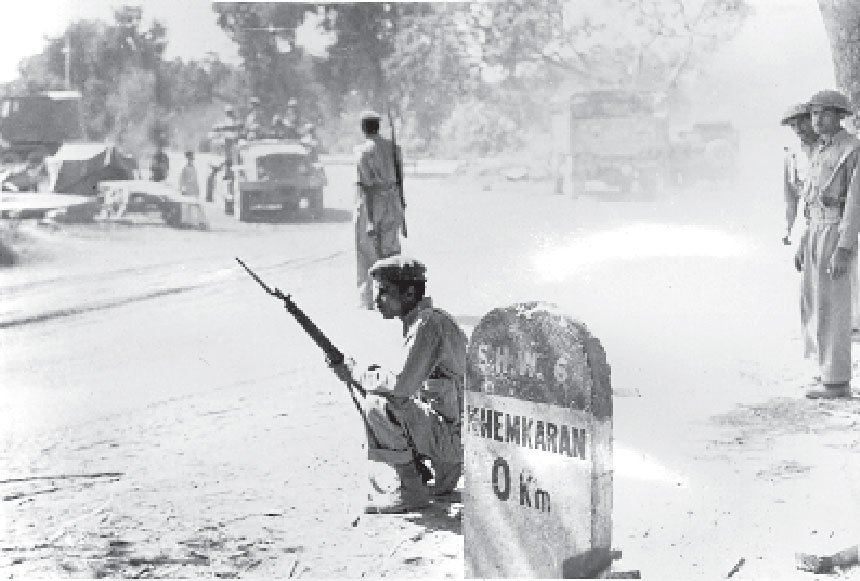
Khem Kharan, the Indian market town, was the place from where Indian were to launch their thrust on Kasur and then on to Lahore.
Third, the US embargo on arms and spares immediately after the war broke out proved that the US was an unreliable partner though Pakistan was a member of Seato and Cento.
Fourth, the war allowed Pakistan armed forces to test their operational doctrines and rectify shortcomings.
Fifth, it created mistrust between the two countries that still continues till today.
Sixth, it changed the security environment with Pakistan looking towards China and also the Soviet Union. President Ayub described it as a triangular tightrope.
Seventh, the war generated efforts towards self reliance in weapon systems and ammunition. The efforts bore fruit in the seventies with setting up of the POF Wah and PAC Kamra among others.
Eighth, despite limited resources and weapons, Pakistan armed forces were able to inflict much heavy losses on a larger adversary and able to stop the Indian onslaught.
Finally, the war made it clear to Pakistani policymakers that India had planned to annex Kashmir by force and was not interested in a just and peaceful solution to the dispute. As a result, peace between the two neighbouring countries remains elusive to this day.
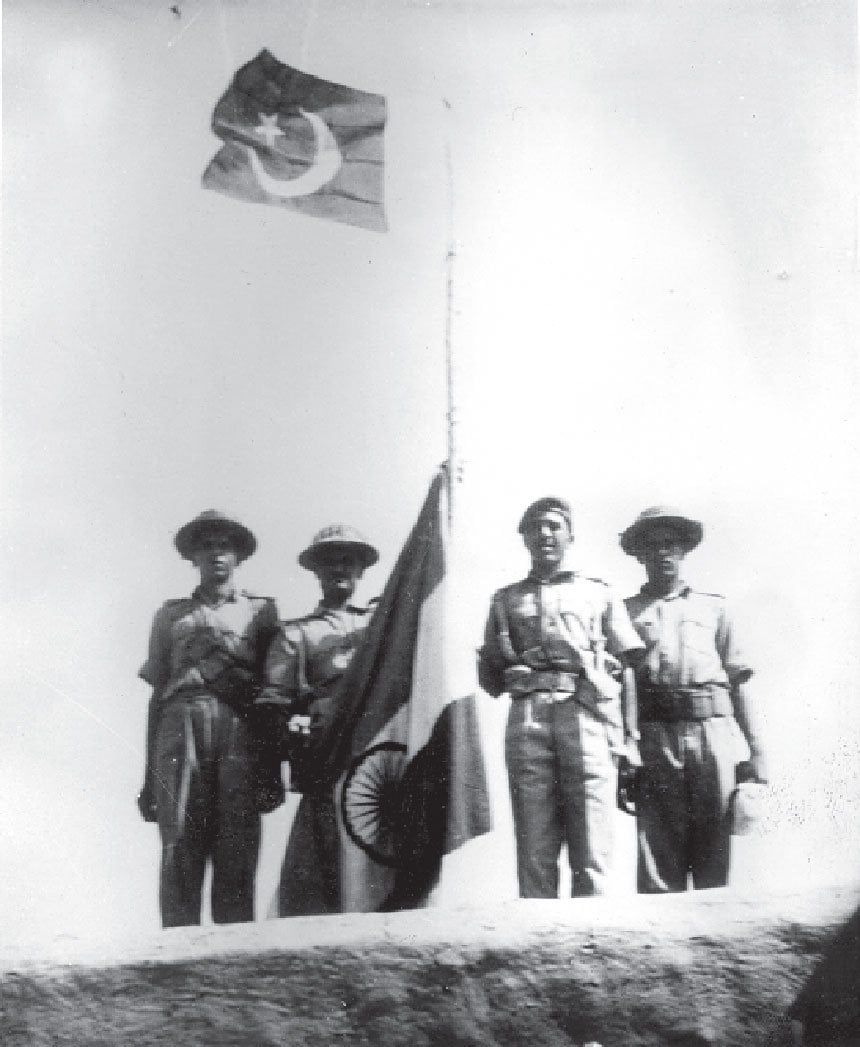
Indian flag being replaced by the Pakistani flag at Jhenger.







-
 Austria Lobbies EU To Host Anthropic; Seeking AI Sovereignty
 -
 Why Kanye West Second San Antonio Show Won't Happen While Tampa Concert Went On?
 -
 Drake Can’t Stop Saying One Word After Eating At Popular Houston Eatery
 -
 Nicola Peltz Steps Away From Dog Charity Linked To Beckham Family Fallout
 -
 Inside: Magnitude 5.5 Earthquake That's Jolted Sichuan, China
 -
 Why Ex-FBI Agent Is ‘99%’ Sure The Nancy Guthrie Case Will Be Resolved?
 -
 King Charles Throws Prince Harry To Battle His Biggest Fear ‘at The 11th Hour’
 -
 Johnny Cash's Choice Of Favourite Country Stars Revealed
 -
 Nvidia Partners With Firmus Technologies To Power AI-infrastructure
 -
 Ben Stokes Announces Retirement From International Cricket After New Zealand Series
 -
 ‘Defensive’ Meghan Markle Sitting On A Bomb: ‘This Visit Should Be About New Memories’
 -
 Bad Bunny Breaks New Ground With Sold-out Show In London Stadium
 -
 Biden Calls Out Trump’s ‘vanity Projects’ At Maryland Democratic Gala—Here’s Why
 -
 Pima County Sheriff Responds To New Claims In Nancy Guthrie Case
 -
 Musk’s Starlink Service To Shake Up US Mobile Market: Report
 -
 Stevie Nicks Emerges As Rumored Performer For Taylor Swift, Travis Kelce Wedding