
Journalists are not fair game
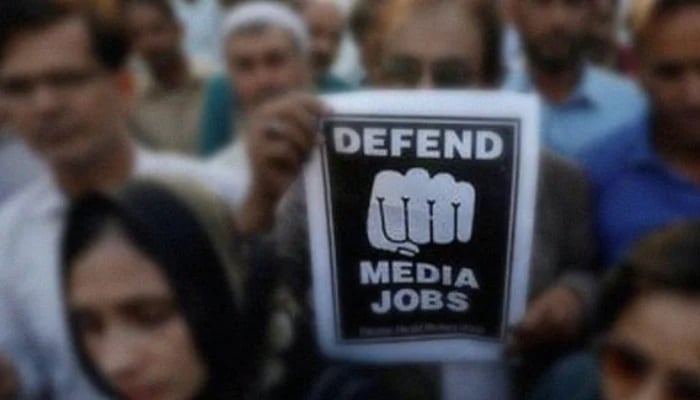
The government’s decision to finally constitute a 12-member Commission for the Protection of Journalists and Media Professionals has been met with cautious optimism within the media community. After all, any mechanism meant to safeguard journalists in Pakistan – one of the most dangerous countries for media practitioners – is a step in the right direction. Yet the past hangs heavily over the present. Dozens of cases of harassment, abduction, torture and even murder remain unresolved, despite previous promises, committees and commissions. This history of impunity is the reason so many in the field are reluctant to celebrate a new body whose effectiveness will depend entirely on whether the state allows it to function as the law intended. Under the 2021 law, the new commission has powers equivalent to those of a civil court and a mandate to investigate threats, ensure safety, and recommend action. Its membership includes representatives from various journalist unions and relevant ministries. But concerns emerged immediately due to the absence of representation from Pakistan’s top five press clubs.
The urgency of meaningful protection could not be clearer than in the events of the past few days. Three journalists from this media group – Geo’s Shahzeb Khanzada, Geo’s Benazir Shah and The News/Geo’s Ansar Abbasi – were subjected to harassment, trolling and targeted manipulation in separate incidents. A video showing Shahzeb Khanzada being heckled while abroad with his family went viral, with viewers widely saying the heckler was a PTI supporter. That a journalist should have to maintain composure while being publicly abused in front of his family is alarming enough; that this has become almost normalised in our political culture is worse. Political leaders across the spectrum condemned the act, including PTI Chairman Barrister Gohar Ali Khan. But condemnations alone cannot undo the climate that enables such behaviour. Benazir Shah was subjected to a different but equally sinister form of harassment: a fake AI-generated video uploaded by an account appearing sympathetic to the PML-N. This was again condemned but the fact that journalists are now being targeted with fabricated visuals shows how quickly the threat landscape is evolving. Meanwhile, Ansar Abbasi was targeted by the PTI’s official account, prompting even senior PTI leadership to distance themselves from their own party’s behaviour.
Let us be unequivocal: trolling is unacceptable. Journalists are doing their jobs. Some will annoy us; others we will admire. None of this – none – warrants stalking, intimidation, harassment or character assassination. For too long, online abuse has been trivialised as ‘part of the job’ or excused in the name of free speech. This tolerance has allowed toxic behaviour to flourish unchecked, while victims – particularly women – are expected to ‘rise above’ it. This expectation is deeply unfair and this mindset must change. The formation of the new commission comes at a moment when the industry desperately needs more than statements. If the state wants its initiative to be taken seriously, it must ensure that all its institutions recognise the commission’s authority and comply with its directives. But let us be clear: this crisis goes far beyond the creation of a commission. Trolling will not end simply because a new body has been notified. Online harassment has become a political strategy in Pakistan – one that parties have tolerated, amplified and in some cases deliberately cultivated. Until political leadership, especially one particular party that has normalised mob-style intimidation and online brigades, disowns such tactics, journalists will continue to be harassed merely for doing their jobs.


