
RDA, police take lead in anti-corruption drive in Rawalpindi
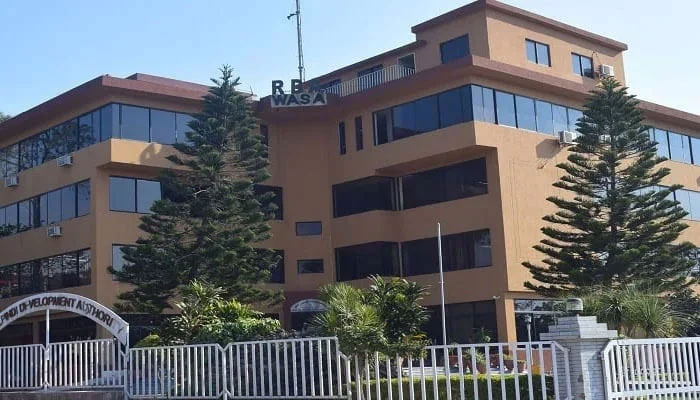
Rawalpindi:In a rare and commendable move, the Director General of Rawalpindi Development Authority (RDA), Kinza Murtaza, and City Police Officer (CPO) Rawalpindi, Syed Khalid Hamdani, have initiated a stringent accountability campaign, beginning with their own departments. The CPO has dismissed dozens of police personnel involved in corruption and continues to take strict disciplinary action, setting a strong precedent for institutional reform. Simultaneously, DG RDA Kinza Murtaza has formally written to the National Accountability Bureau (NAB), the Federal Investigation Agency (FIA), and the Anti-Corruption Establishment, requesting immediate action against individuals responsible for massive financial irregularities and embezzlement within the RDA.
This proactive stance has been warmly welcomed by the residents of Rawalpindi, who have long demanded transparency and an end to the unchecked corruption in public offices. Locals have expressed support for the accountability process and appealed to authorities to continue the crackdown until all “black sheep” are removed from public service.
Following DG RDA’s letter, NAB Rawalpindi issued a formal call-up notice under Section 19 of the National Accountability Ordinance (NAO) 1999 to a former Deputy Director (Finance) of the RDA. The notice pertains to the issuance of Call Deposit Receipts (CDRs) to various entities without legal justification, allegedly in connivance with other officers. These actions caused significant financial losses to the RDA. The accused has been directed to appear before the Combined Investigation Team (CIT) and submit relevant records, including the rationale behind the instructions to the National Bank of Pakistan (NBP), documents related to the work carried out by beneficiary entities, and income tax returns and wealth statements for the past five years. NAB has warned that non-compliance with the summons will invite coercive legal measures under NAO provisions.
DG Kinza Murtaza disclosed that during internal audits, serious irregularities were unearthed in financial records, pointing to gross mismanagement and corruption involving senior former officials, including the now-deceased Deputy Director (Finance), a retired Director (Admin and Finance), and a retired Assistant Director (Finance). She emphasized that recovery of embezzled funds is not only necessary but also legally possible, citing recovery mechanisms under Section C-33 of the NAO 1999, property seizure provisions under Sections 12 and 15 of the NAB Ordinance, recovery from deceased estates under Section 50 of the Civil Procedure Code (CPC) 1908, and action against legal heirs under CPC Order XXII Rule 4.
“The RDA is committed to recovering every penny stolen from the public treasury,” said DG Kinza Murtaza in her letter to the agencies. “Our institution will pursue all legal avenues to ensure those responsible are held accountable.” She further added that the RDA will continue to collaborate with investigation agencies to prosecute those who abused their authority for personal gain.
The issue of corruption within RDA is not new. For years, more than 600 illegal housing societies have proliferated in and around Rawalpindi due to what many believe is the direct involvement-or wilful negligence-of officials within the authority. Despite being under investigation, several officers previously continued to serve in influential roles. While recent actions signal a change, observers insist that sustained pressure is necessary to dismantle the entrenched corrupt networks. “This is a long-overdue reckoning,” said Khalid Iqbal, a local civil society representative. “The accountability process must not stop at a few names-it must uproot the entire mafia.”
The decisive steps taken by the heads of the police and the development authority have sparked hope among citizens and triggered wider demands for reform. Residents are now urging all other departments-including the Metropolitan Corporation Rawalpindi (MCR), Water and Sanitation Agency (WASA), Parks and Horticulture Authority (PHA), Excise and Taxation, Civil Defense, Revenue Department, Income Tax Department, Transport, Local Government, Communication and Works (C&W), as well as the Deputy Commissioner and Assistant Commissioner offices-to follow suit. Many believe that unless this momentum extends across the bureaucracy, real change will remain elusive.







-
 'Hollyoaks' Star Keiron Richardson Confirms Speculation About Major Character Exit
 -
 King Charles, Harry Reconciliation: Royal Expert Reflects On 'work Going On Behind The Scenes'
 -
 Palace Shares Rare Update On King Charles’ State Visit To See Donald Trump
 -
 Garth Brooks's Comeback Fear Exposes Deeper Dependence After Rape Accusations
 -
 SpaceX Kicks Off IPO Process, Eyes Record $75 Billion Offering
 -
 Where Dak Prescott And Sarah Jane Ramos Stand About Their Relationship As Canceled Wedding Nears
 -
 Sarah Ferguson To Come On ‘Traitors’ Or ‘Big Brother’? Plans Come To Light
 -
 Misua, 'Drag Race: Philippines,' Breathes Her Last At 27
 -
 US Targets China Chip Sector With New Export Curbs On ASML
 -
 Kelly Ripa Makes Bombshell Confession About Pregnancy After 23 Years
 -
 King Charles True Feelings Show 'thawing' Relations With Eugenie And Beatrice Amid Andrew Scandal
 -
 Trump Administration Labeled ‘misogynistic’ Following Dismissal Of Pam Bondi And Kristi Noem
 -
 Trump Mocks Starmer As UK–US Tensions Rise Over Defence
 -
 'Peaky Blinders' Has Major Casting Shakeup For Lead Role In Upcoming Sequel Series
 -
 Quantum Computing Threat: Why Global Cybersecurity Could Collapse Soon
 -
 Jessica Simpson Reveals Rare Approach To Mastering 'Daisy Duke's Glow