
SCAP demands relief in FY26 budget
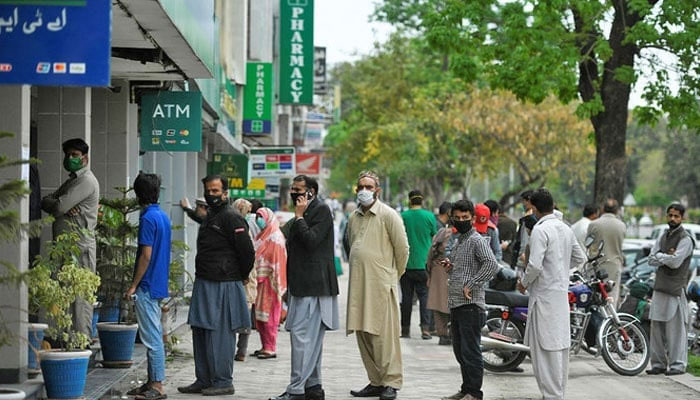
KARACHI: The Salaried Class Alliance of Pakistan (SCAP) has called on the government to provide immediate relief to the salaried segment in the upcoming Finance Budget 2025-2026, citing disproportionately high tax burdens, rising inflation and worsening economic conditions, according to a statement released on Thursday.
According to the Alliance, salaried individuals, comprising government and private employees as well as professionals in the media, banking, education and corporate sectors, are the only segment paying their due share of income tax without any adjustment. Despite this, they have borne the brunt of recent fiscal policies, including increased slab rates and a 10 per cent surcharge on higher incomes, introduced in the last budget. “The middle class has been crushed. While inflation has doubled in the past three years, the minimum taxable income threshold remains stuck at Rs50,000 per month,” the SCAP stated.
The SCAP urges the government to raise the minimum taxable income threshold to Rs100,000 per month and restore tax rates to FY2022 levels. The government should reduce its expenditures to provide relief for taxpayers with higher tax rates and eliminate the 10 per cent surcharge. This surcharge acts as a penalty for timely tax payments and is unfair to compliant taxpayers. The salaried class demands immediate reinstatement of tax credits.
The Alliance warned that continued neglect of this segment is contributing to the country’s worsening brain drain. Emigration of skilled and educated professionals reportedly surged by 119 per cent over the past year, with heavy taxation cited as a key factor. Moreover, the SCAP pointed to structural tax inequalities. In FY2025, salaried individuals are estimated to contribute more than Rs550 billion in taxes, compared to only Rs100 billion collectively paid by exporters and retailers.
The agriculture sector, contributing nearly 20 per cent of GDP, contributes less than 1.0 per cent in tax revenue. Some landlords and privileged groups enjoy vast exemptions, while wage earners face tax rates as high as 35 per cent with an additional surcharge of 10 per cent.
The Alliance also expressed concern over growing informality in the economy, where businesses opt to pay salaries in cash to avoid high tax deductions, undermining documentation and long-term development.
The Alliance emphasised that fair taxation is essential not only for economic justice but also for preventing further erosion of the country’s skilled workforce and promoting sustainable economic development.






-
 Marc Anthony On Why Bad Bunny’s Super Bowl Show Mattered
 -
 Kid Rock Gets Honest About Bad Bunny’s Performance At Super Bowl
 -
 Kylie Jenner Reveals Real Story Behind Her 'The Moment' Casting
 -
 Halsey Marks Fiancé Avan Jogia's Birthday With Emotional Note
 -
 China: Stunning Drone Show Lights Up Night Sky Ahead Of Spring Festival 2026
 -
 Andrew's Epstein Scandal: Will King Charles Abdicate Following King Edward's Footsteps?
 -
 Billy Joel Leaves Loved Ones Worried With His 'dangerous' Comeback
 -
 Prince William Dodges Humiliating Question In Saudi Arabia
 -
 Dax Shepard Describes 'peaceful' Feeling During Near-fatal Crash
 -
 Steve Martin Says THIS Film Has His Most Funny Scene
 -
 Kensington Palace Shares Update As Prince William Continues Saudi Arabia Visit
 -
 Fugitive Crypto Scammer Jailed For 20 Years In $73m Global Fraud
 -
 Will Andrew Mountbatten-Windsor Finally Go To Jail Now That King Charles Has Spoken Out? Expert Answers
 -
 Melissa McCarthy Reveals Her Tried And Tested ‘corpse’ Night Time Routine That’s Lost Her 95lbs
 -
 Horrifying Pictures Of The Kidnapper Of Savannah Guthrie's Mother Released
 -
 Andrew's Ex-girlfriend Launches Brazen Attack On Epstein Victims On Piers Morgan Show