
The real cost of IMF
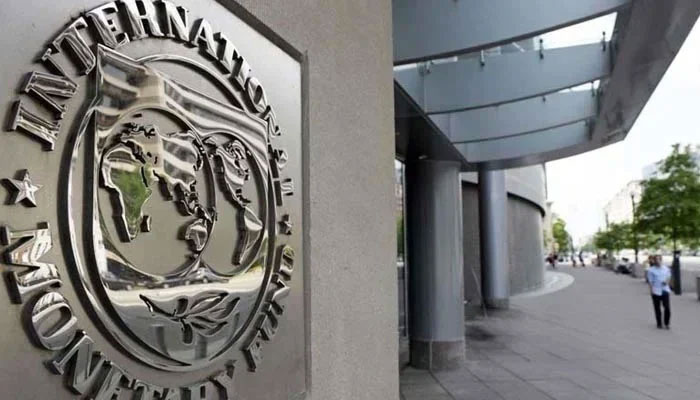
LAHORE: The International Monetary Fund (IMF) has proposed several steps that could negatively affect Pakistan’s balance of payments and further burden ordinary citizens.
Among the proposals is a recommendation to increase the age limit for imported used cars and reduce duties on these vehicles. The existing three-year age cap is already considered lenient, as many of these vehicles fail to meet roadworthiness standards in their countries of origin without significant investment. Pakistan allows them on an ‘as-is, where-is’ basis, contributing to environmental degradation. Expanding the limit to five years is expected to worsen pollution levels.
The contradiction is stark: on one hand, the IMF has approved a $1.4 billion loan under its Resilience and Sustainability Facility (RSF) to support Pakistan’s climate efforts, while on the other, it is advocating for the import of older, more polluting vehicles.
Another controversial proposal involves raising the petroleum levy to Rs100 per litre -- a move widely regarded as regressive. The increase, from Rs40 initially to Rs60, then Rs70, and now potentially Rs100, may not immediately impact consumers due to falling global oil prices. However, the higher levy will erode the competitiveness of Pakistani businesses, particularly as peer economies face lower or no such taxes.
Pakistan is in the midst of negotiating in good faith with the IMF and is likely to secure a deal. However, implementation of the Fund’s conditions will likely remain partial and inconsistent without stronger political consensus and administrative capacity.
The IMF’s 37-month programme aims to support Pakistan’s economic reform agenda and restore macroeconomic stability.As of May, the IMF has completed its first review of the EFF, triggering a disbursement of approximately $1 billion and bringing total disbursements under the arrangement to around $2.1 billion. The Fund has also imposed 11 new structural benchmarks -- bringing the total to 50 -- covering tax reform, energy sector restructuring and governance enhancements.
While the EFF offers a longer-term and more substantial financial framework compared to the earlier stand-by arrangement (SBA), the programme’s success will depend on Pakistan’s ability to meet these conditions. Failure to do so could jeopardise future disbursements and hinder economic stabilisation efforts.







-
 Dax Shepard Describes 'peaceful' Feeling During Near-fatal Crash
 -
 Steve Martin Says THIS Film Has His Most Funny Scene
 -
 Kensington Palace Shares Update As Prince William Continues Saudi Arabia Visit
 -
 Fugitive Crypto Scammer Jailed For 20 Years In $73m Global Fraud
 -
 Will Andrew Mountbatten-Windsor Finally Go To Jail Now That King Charles Has Spoken Out? Expert Answers
 -
 Melissa McCarthy Reveals Her Tried And Tested ‘corpse’ Night Time Routine That’s Lost Her 95lbs
 -
 Horrifying Pictures Of The Kidnapper Of Savannah Guthrie's Mother Released
 -
 Andrew's Ex-girlfriend Launches Brazen Attack On Epstein Victims On Piers Morgan Show
 -
 Andrew Mountbatten-Windsor 'on His Own' As Palace Gives Green Light To Law Enforcement
 -
 Kanye West's Tweet About Super Bowl Halftime Resurfaced After Bad Bunny's Show
 -
 'FBI' Star Juliana Aidén Martinez Tease Her Return To 'Law And Order: SVU' After Quitting
 -
 Cardi B's Emotional Words To Pal Amid Stefon Diggs Rumored Breakup Revealed
 -
 Princess Eugenie Breaks Cover Amid Explosive Family Scandal
 -
 Will Kate And Anthony Have 'Bridgerton' Spin Off? Revealed
 -
 Schoolgirl Eaten Alive By Pigs After Brutal Assault By Farmworker
 -
 King Charles’ Statement About Epstein Carries A Secret Meaning: Here’s Why It Can Be An Invite To Police