
Educated but overlooked
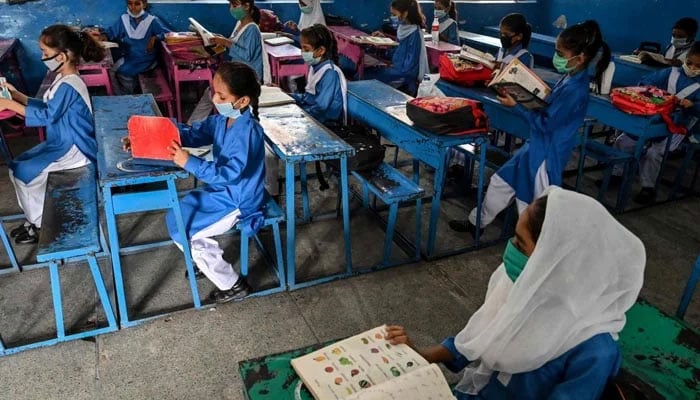
LAHORE: Women in Pakistan often excel academically, enrolling in colleges and universities in higher numbers than men, particularly in urban areas. Yet, when it comes to the job market, men overwhelmingly outnumber women.
In rural areas, this disparity is somewhat understandable, as women lag behind in education and skills. However, even in urban centres, where women have higher levels of education, they are often overshadowed by men with equal or even lesser qualifications. This paradox is rooted in a complex mix of cultural, societal and economic factors.
Traditional gender roles in Pakistan prioritise women’s responsibilities within home, such as caregiving and household duties. Many families believe a woman’s primary role is to be a homemaker, regardless of her education. Early marriages often interrupt career ambitions, and societal norms may discourage or outright prevent women from working outside the home after marriage.
Moreover, women frequently face harassment in the workplace, making it challenging to work in environments that feel unsafe. The lack of facilities like daycare centres, flexible working hours, and maternity benefits further complicates their ability to remain in the workforce. Discrimination in hiring and promotions is widespread, resulting in fewer opportunities and limited representation in leadership roles.
Despite economic hardships, male family members -- fathers, brothers or husbands -- often restrict qualified women from working, especially in mixed-gender environments or jobs deemed ‘inappropriate’. Families tend to encourage careers in teaching or medicine, considered more respectable and safer, which limits women’s participation in diverse fields.
Economic and social factors further hinder women’s participation in the workforce. The economy is not designed to create adequate job opportunities for women, particularly in rural areas. Sectors where women could thrive remain underdeveloped or inaccessible.
Women are often paid less than men for the same work, discouraging them from joining or staying in the workforce. The lack of visible role models in various fields deters young women from pursuing careers in male-dominated industries.
While women pursue higher education in significant numbers, they often gravitate towards fields with limited job prospects, such as social sciences and arts. In contrast, male-dominated fields like engineering and business offer more direct employment opportunities.
Even when women enter the workforce, they are frequently burdened with the dual responsibilities of professional duties and household work. This imbalance often leads to burnout, pushing women to abandon long-term careers. In rural areas, cultural restrictions are more rigid, and limited job opportunities compound the problem. Urban areas, while somewhat better, continue to grapple with societal attitudes that discourage working women.
Policy interventions are urgently needed to address these issues. Introducing and enforcing workplace safety measures, equal pay, and maternity benefits can create an environment where women feel encouraged to join and remain in the workforce.
Awareness campaigns to challenge gender stereotypes and promote the idea that women can balance work and family responsibilities are essential. Remote jobs, freelancing, and part-time roles offer flexible opportunities for women, especially in urban areas, and have already increased female participation in IT-related fields.
Highlighting the achievements of successful women across industries, including the corporate sector, can inspire and motivate others. While education is a crucial step toward gender equality, deeper societal changes and institutional support are necessary for women to translate their academic success into meaningful workforce participation.
Globally, half of a person’s lifetime earnings come from the education and skills they bring to their first job. The other half is derived from the skills developed through workplace experience. Unfortunately, Pakistani women are often denied this ‘experience capital’, which hinders their professional growth and economic empowerment.







-
 Extreme Cold Warning Issued As Blizzard Hits Southern Ontario Including Toronto
 -
 Lana Del Rey Announces New Single Co-written With Husband Jeremy Dufrene
 -
 Ukraine-Russia Talks Heat Up As Zelenskyy Warns Of US Pressure Before Elections
 -
 Lil Nas X Spotted Buying Used Refrigerator After Backlash Over Nude Public Meltdown
 -
 Caleb McLaughlin Shares His Resume For This Major Role
 -
 King Charles Carries With ‘dignity’ As Andrew Lets Down
 -
 Brooklyn Beckham Covers Up More Tattoos Linked To His Family Amid Rift
 -
 Shamed Andrew Agreed To ‘go Quietly’ If King Protects Daughters
 -
 Candace Cameron Bure Says She’s Supporting Lori Loughlin After Separation From Mossimo Giannulli
 -
 Princess Beatrice, Eugenie Are ‘not Innocent’ In Epstein Drama
 -
 Reese Witherspoon Goes 'boss' Mode On 'Legally Blonde' Prequel
 -
 Chris Hemsworth And Elsa Pataky Open Up About Raising Their Three Children In Australia
 -
 Record Set Straight On King Charles’ Reason For Financially Supporting Andrew And Not Harry
 -
 Michael Douglas Breaks Silence On Jack Nicholson's Constant Teasing
 -
 How Prince Edward Was ‘bullied’ By Brother Andrew Mountbatten Windsor
 -
 'Kryptonite' Singer Brad Arnold Loses Battle With Cancer