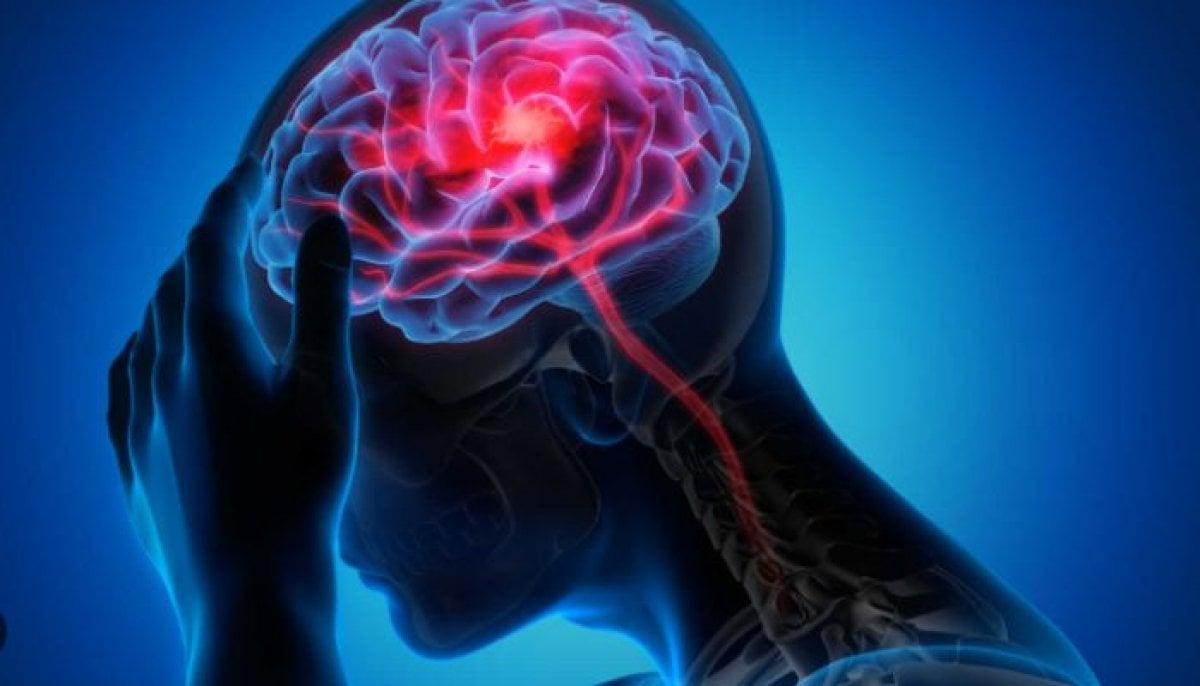
Experts reveal keto diet as key to treating depression
Depression causes constant sadness, loss of interest, and functional impairment

Depression is one of the most common mental diseases worldwide. And its symptoms can be really tough to manage.
However, a study claims that eating a high-fat, low-carb diet could help reduce its symptoms.
In a comparison by experts, they stated that one in five people in UK have experienced some form of depression and for one in three of them, antidepressants will not fully clear symptoms.
This group was described as having treatment-resistant depression and according to research, eating a ketogenic, or “keto,” diet could help.
The regimen forces the body into a metabolic state called ketosis, where it burns fat for fuel instead of carbohydrates.
Experts believe that it may reduce inflammation in the brain, alleviating symptoms of depression.
A 2025 study found that a keto diet reduced symptoms of depression by as much as 70 per cent in college students.
To explore this effect, a group of researchers at Oxford University took a sample of 88 adults with depression, for whom traditional anti-depressants had not worked. Participants were randomly assigned either a keto or non-keto diet.
Those following the keto plan were given three prepared meals, as well as snacks, that provided less than 30g of carbohydrates per day.
While the non-ketogenic diet group were advised to eat normally, with small changes such as swapping saturated fats for unsaturated fats, and eating an extra portion of fruits and vegetables a day.
Both groups also continued their usual medication.
After six weeks, the researchers found that those who had been following the keto diet saw a significant reduction in their depressive symptoms.
While the diet was difficult to maintain for most participants once the trial was over, lead researcher Dr. Min Gao said: “Our study suggests that following a ketogenic diet in addition to usual care could provide small benefits for depression.”
In addition to this, keto diets are already used as a treatment for seizures, and recent studies have begun to investigate its use in other mental illnesses, including bipolar and schizophrenia.







-
 Ebola outbreak: Congo faces deadliest crisis with over 3,000 deaths
 -
 New report reveals, children as young as six going to A&E in mental health crisis
 -
 'Self-exercising' muscle implants developed by researchers offer workout benefits without movement
 -
 GLP-1 drugs cut US obesity from 39.9% to 36.4%
 -
 New clinical trial highlights precision-dosing strategy for vitamin D deficiency management
 -
 Cyclospora outbreak: USDA research projects shelved amid funding cuts and relocations
 -
 AI tool flags severe heart failure with 91% sensitivity
 -
 Xylitol sweetener may raise stroke and heart attack risks, study suggests