GLP-1 drugs linked to osteoporosis and gout: New study reveals higher risks
The rare bone condition known as Osteomalacia also occurred twice as often among GLP-1 users
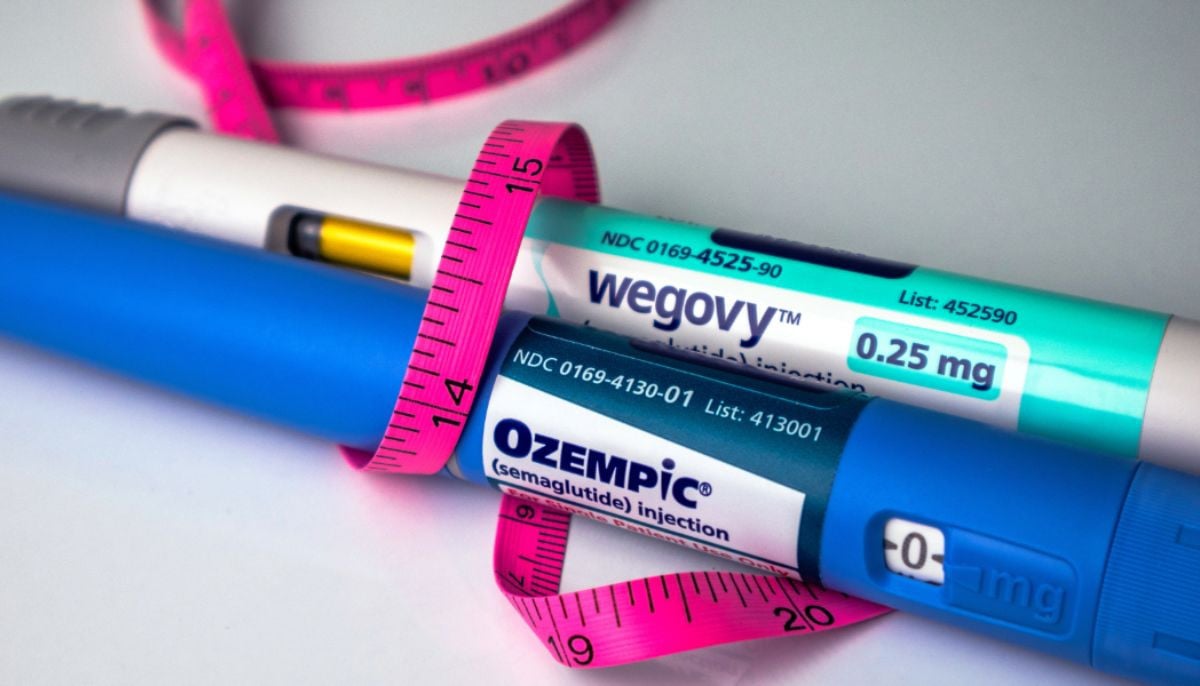
A new research study has shed light on potential side effects of GLP-1 drugs, including Wegovy and Ozempic.
According to a study presented at the American Academy of Orthopaedic Surgeons’ annual meeting, the weight loss GLP-1 drugs are likely to increase risks of osteoporosis and gout in people.
Dr. John Horneff, an associate professor of orthopedic surgery at the University of Pennsylvania and the lead author of the study, said the potential side effects of GLP-1 drugs came to light when some patients developed serious tendon tears after relatively minor injuries.
When the researchers analysed deeper, they hypothesized that GLP-1 might be responsible for affecting bone and other connective tissues.
“People are taking these medications, and obviously there’s a tremendous amount of upside. But with that, they start to decrease their intake of food and nutrients,” Horneff said
The study compared GLP-1 users to non-users over five years and found that about 4 percent of GLP-1 users developed osteoporosis compared to 3 percent nonusers, showing an increased risk of 30 percent.
The rare bone condition known as Osteomalacia also occurred twice as often among GLP-1 users.
GLP-1 users also developed gout conditions with 7.4 percent rate compared to 6.6 percent of nonusers.
Horneff said, “It’s not huge. But within that data that was put in there, you even saw nearly a doubling of the risk of having some sort of bone mineral density issue at five years.”
He presented two theories to justify the link. One possibility could be nutritional gaps as GLP-1 suppresses appetite, so patients might not be using enough supplements to support bone health.
Second, much like astronauts in zero gravity, a skeleton that suddenly carries much less weight may stop maintaining its density because of reduced mechanical demand.
To explain the reasons for gout, Horneff said rapid drop in weight can cause a temporary spike in uric acid, increasing the risks of gout.
Horneff also emphasized on conducting more research to prove the veracity of results emanating from observational study and explain the link between weight loss and reduced bone density.


-
 Virginia Sen. Louise Lucas indicted on racketeering and marijuana charges
 -
 France confirms world's first human case of Shamonda virus; patient dies
 -
 OpenAI agents uncover brain disease leads: Here’s how
 -
 AI tool can now predict cancer survival by a single patient selfie: Find out how
 -
 Scientists identify a new type of depression affecting 1 in 4 patients
 -
 Everything to know about US FDA’s new guidance on apps used with prescription drugs
 -
 ‘Immortal’ jellyfish could hold clues to slowing human ageing
 -
 Ebola crisis worsens in DR Congo as virus reaches eighth province with over 4,500 dead
-
 Study finds eating blueberries every day can surprisingly boost your mood
 -
Eli Lilly’s Foundayo weight-loss pill gets European approval recommendation
-
What is BPC-157? Trump administration considers easing rules on popular peptide injections
-
West Nile virus: Europe reports 141 deaths as human cases rise in 2026