Jada Pinkett Smith details how her memoir combats 'shame' around alopecia
Jada Pinkett Smith, the wife of Will Smith, revealed her alopecia diagnosis in 2018
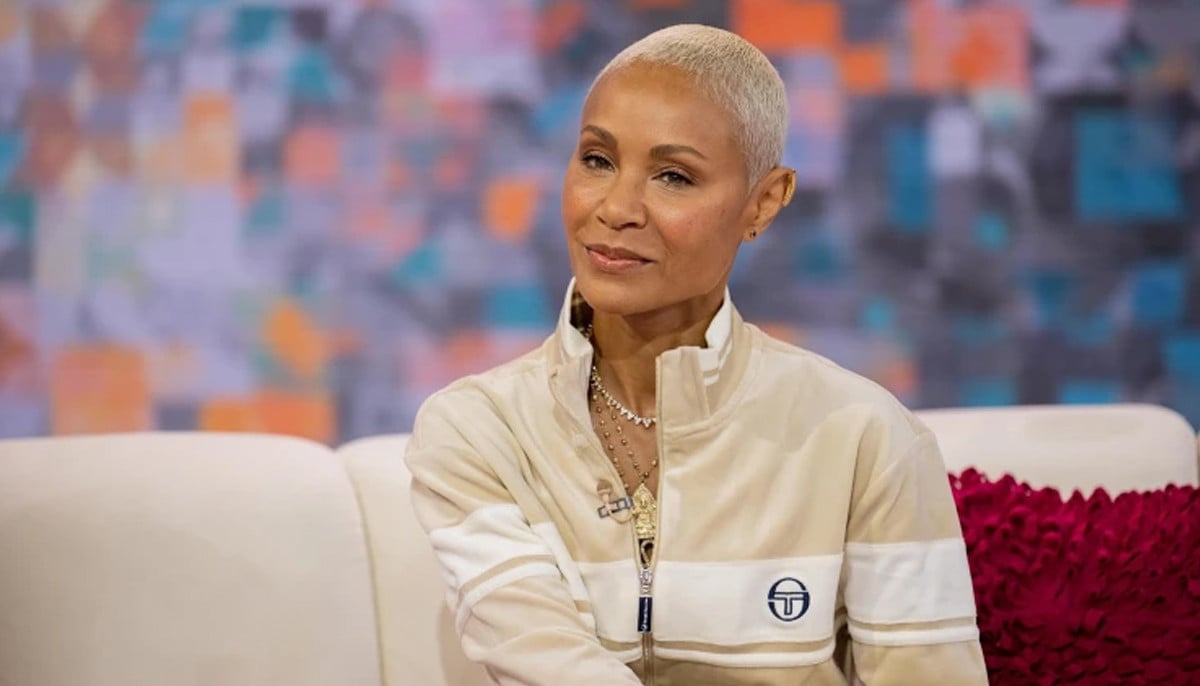
Jada Pinkett Smith has been open about her struggle with alopecia, which causes hair loss, ever since first sharing the diagnosis with fans on an episode of Red Table Talk in 2018.
Later, in 2021, the actress to share a candid and personal look at her hair loss journey. “Look at this line right here,” Pinkett Smith said in the video, pointing out some of the bare patches. “This is going to be a little bit more difficult for me to hide, so I thought I’d just share it so y’all not asking any questions — but you know, mama’s going to put some rhinestones in there, and I’m going to make me a little crown.”
More recently, Pinkett Smith even dedicated a chapter of her 2023 memoir, Worthy, to her experience with the condition in order to lift the stigma around it.
“A lot of people who suffer from alopecia have shame about their condition,” Pinkett Smith told SheKnows in October 2023. “And one of the things about this book that I’m hoping, you know, people will embrace and receive is that there’s no need to have shame about any of it.”
What is Alopecia?
Alopecia refers to hair loss from the scalp or other parts of the body. The most common form is alopecia areata, an autoimmune condition in which the immune system mistakenly attacks hair follicles, leading to hair fall.
Types of Alopecia
- Alopecia areata: Patchy hair loss on the scalp or body
- Androgenetic alopecia: Pattern hair loss (commonly known as male or female pattern baldness)
- Alopecia totalis: Complete loss of scalp hair
- Alopecia universalis: Loss of all body hair
Symptoms:
Symptoms vary based on the type, but commonly include:
- Sudden hair loss in small, round patches
- Thinning hair or gradual hair loss
- Smooth, bald areas on the scalp
- Hair falling out more than usual while brushing or washing
- Changes in nails, such as pitting or ridges (in alopecia areata)
Causes and Risk Factors
Alopecia can result from several factors:
- Autoimmune reactions (especially in alopecia areata)
- Genetics, particularly in pattern baldness
- Hormonal changes
- Stress or trauma
- Nutritional deficiencies, such as iron or vitamin deficiencies
- Medical conditions, including thyroid disorders
Treatment
The treatment depends on the type and severity of alopecia:
- Corticosteroids: Reduce inflammation in autoimmune types
- Topical treatments (like minoxidil): Stimulate hair growth
- Immunotherapy: Alters immune response in alopecia areata
- Oral medications: Such as finasteride for pattern hair loss (in appropriate cases)
- Lifestyle support: Balanced diet, stress management, and proper hair care
- Hair restoration options: Wigs, hairpieces, or transplant procedures in advanced cases
Alopecia is not just a cosmetic concern, it can affect emotional well-being and self-esteem as well. Understanding its causes and treatment options helps individuals manage the condition effectively and seek appropriate medical care.



-
 Ebola crisis worsens in DR Congo as virus reaches eighth province with over 4,500 dead
 -
 Study finds eating blueberries every day can surprisingly boost your mood
 -
 Eli Lilly’s Foundayo weight-loss pill gets European approval recommendation
 -
 What is BPC-157? Trump administration considers easing rules on popular peptide injections
 -
 West Nile virus: Europe reports 141 deaths as human cases rise in 2026
 -
 Health Canada reviewing new mRNA flu vaccine that could prevent more hospitalisations
 -
 Scientists discover hidden drainage route at the back of the eye
 -
 WHO confirms death at Russian research lab, says no plague case registered