Is teen anger linked to faster aging? Here’s what the study reveals
Developing aggressive behavior is linked to biological aging that is advanced by 30 years

According to a new study published in the journal Health Psychology, researchers found that aggressive behavior as a teenager is linked to faster biological aging by midlife.
The lead researcher Joseph Allem, a professor of psychology said in a new release, “Adolescents are often mocked for treating their relationship as matters of life and death.”
Researchers theorized that the stress of constant conflict extending into adulthood likely contributes to this accelerated aging which can increase a person’s lifelong risk of health problems like heart disease or diabetes.
The team tracked the students from age 13 into adulthood collecting reports of aggression, family conflict, and relationship problems with friends and peers.
The team used two validated methods that combined factors like blood pressure, inflammation, blood sugar, cholesterol and immune function to estimate how old each person’s body was compared to their actual age. Both methods showed that higher levels of aggression in early adolescence predicted a more advanced biological age by 30, even after accounting for gender, family income, serious childhood illness and adolescent body shape
According to researchers, boys tend to experience more conflict with their father, while teens from lower-income families were more likely to act out against their peers.
The recent study does not prove that teenage aggression directly causes faster aging. In this connection, Allen said: “Other factors we didn't measure may also be playing a role and it’s likely that what really matters is how those early behaviours turn into later relationship problems..”
Nonetheless, the study underscores the potential lasting health consequences stemming from social challenges in early adolescence.


-
 Pooh Shiesty, his father arrested over Gucci Mane kidnapping
 -
 King Charles, Harry reconciliation: Royal expert reflects on 'work going on behind the scenes'
 -
 Kelly Ripa makes bombshell confession about pregnancy after 23 years
 -
 Trump administration labeled ‘misogynistic’ following dismissal of Pam Bondi and Kristi Noem
-
 Gene mutation may affect how schizophrenia patients see reality
 -
 Is all chocolate healthy? Here’s what the science really says
 -
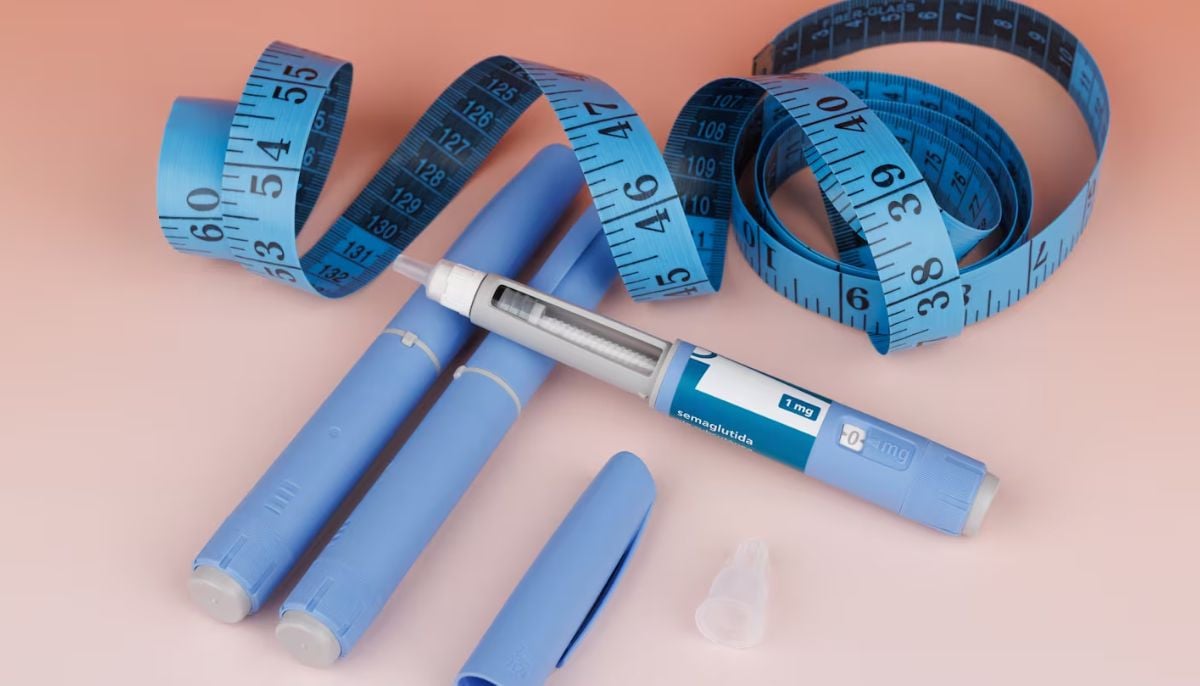 What to know before using weight-loss drugs like Ozempic
 -
 Singapore confirms first local spread of mutated monkeypox clade Ib strain
 -
 World Autism Awareness Day: Celebrating different minds, shaping a shared future
 -
 Some grief never goes away—Scientists now know why
 -
 E-cigarettes: A proving quitting tool that still carries health risks
 -
 Eli Lilly expands $2.75B AI-enabled drug discovery deal with Insilico Medicine