World Autism Awareness Day: Celebrating different minds, shaping a shared future
Autism is not a disease but it affects how a person perceives the world, process information and interact with others
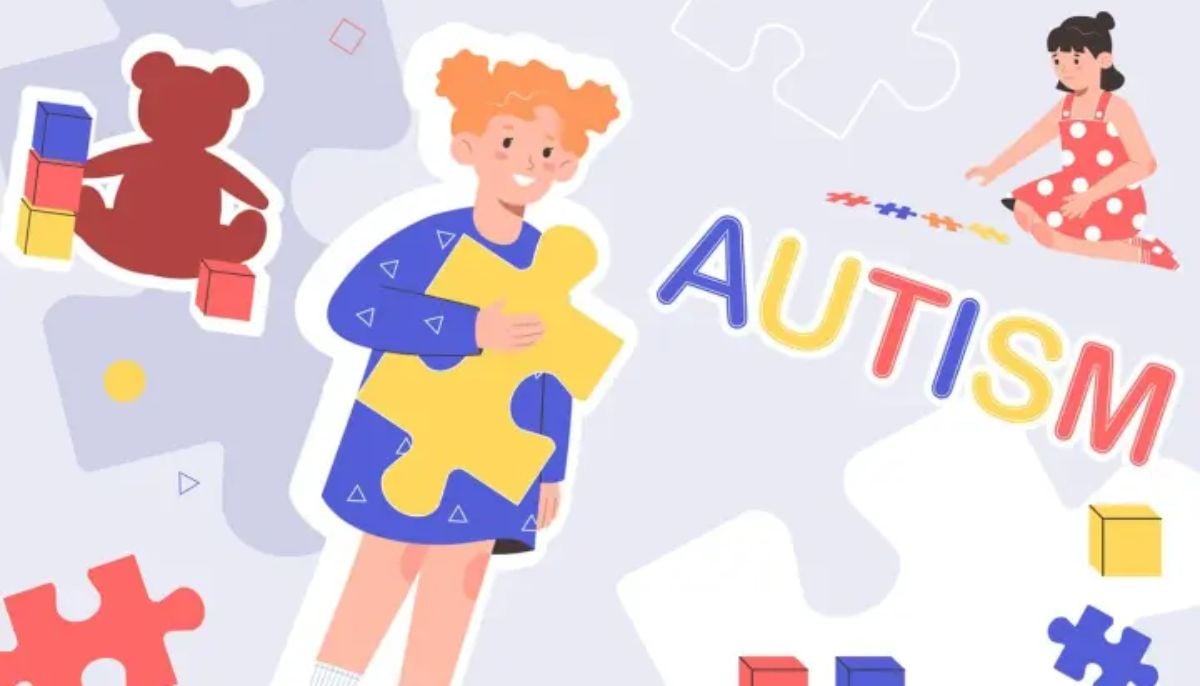
April 2 marks World Autism Awareness Day, an initiative to combat social stigma by recognizing the dignity and worth of all autistic people. This day advocates for policies that promote neuro-inclusive environments in health, education, workplaces and sports. Established by the UN General Assembly in 2007, the day’s primary motive is to raise public awareness regarding autism spectrum disorders, overcome stigmatization and promote the full integration of autistic individuals into the society. Autism is not a disease, but a unique aspect of a person’s neurological development. However, despite international human rights conventions, autistic people continue to face significant stigma, discrimination, and barriers to full participation.
Limited access to high-quality healthcare and support services remains a major issue, creating long-standing inequalities for the neurodivergent community. Addressing these challenges to take sustained action, inclusive policies, and greater equity for neurodivergent individuals.
The critical importance of this day
The scientific evidence has repeatedly and definitely disproven harmful stereotypes that autism is caused by bad parenting or vaccinations. Spreading evidence-based medical information is essential to combat prejudice and social stigma against the autistic community. A correct diagnosis and professional support at an early stage are crucial for helping children with ASD adapt to independent living later in life. To mitigate the burden of change on society; schools need inclusive classrooms, and the labor market needs to provide equal opportunities.
These individuals often possess valuable professional traits, such as full attention to detail and unconventional logical thinking. The efforts of the WHO are commendable in improving the quality of life for autistic people and strengthening data-informed decision making by providing guidance on policies within broader health and brain initiatives, and strengthening community-based services.


-
 Prime editing rewrites DNA inside human body for the first time
 -
 WHO investigates mystery Ebola case in Nigeria as outbreak spreads beyond DR Congo
 -
 Virginia Sen. Louise Lucas indicted on racketeering and marijuana charges
 -
 France confirms world's first human case of Shamonda virus; patient dies
 -
 OpenAI agents uncover brain disease leads: Here’s how
 -
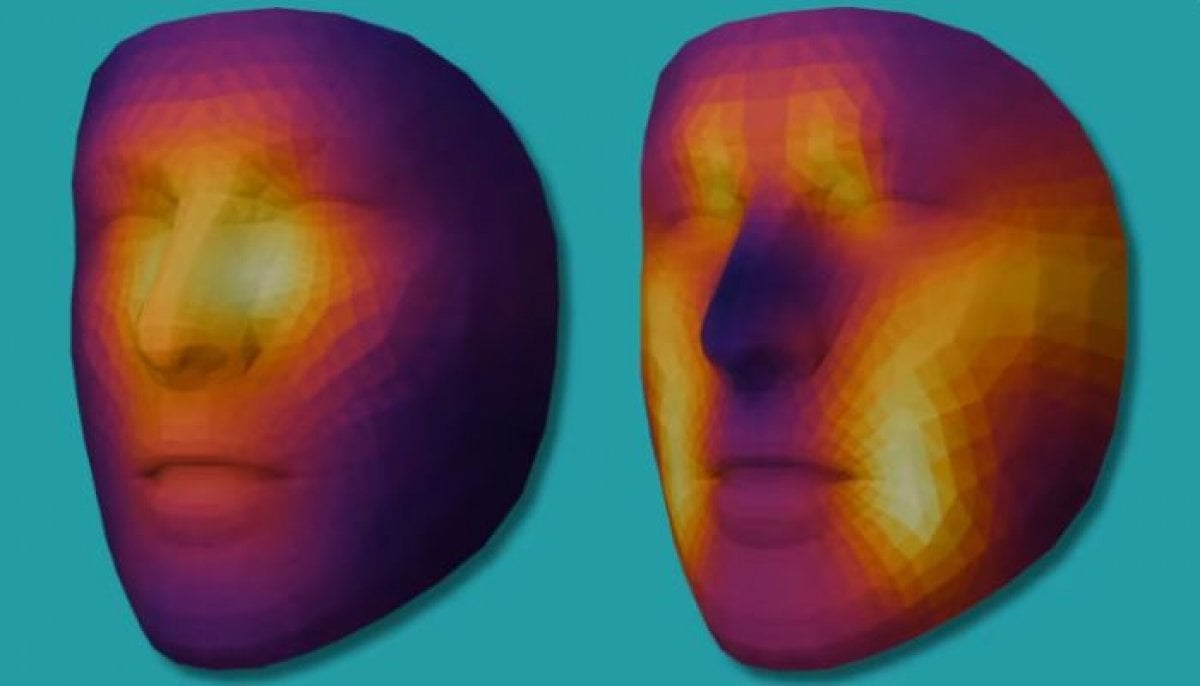 AI tool can now predict cancer survival by a single patient selfie: Find out how
 -
 Scientists identify a new type of depression affecting 1 in 4 patients
 -
 Everything to know about US FDA’s new guidance on apps used with prescription drugs