Rare genetic clue linked to healthy aging found in long-lived families
Study suggests rare genetic variants in long-lived families may contribute to healthy aging and extended lifespan
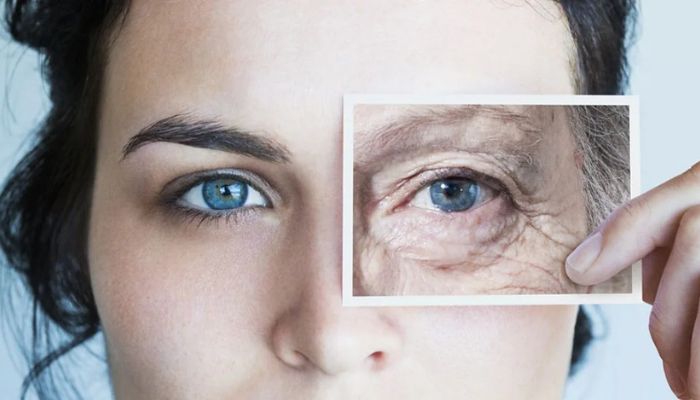
Aging is a natural process but who doesnot want to age beautifully?
Although life expectancy has risen dramatically over the past 200 years, the number of years people spend in good health has not increased at the same pace and understanding this is very important.
Everyone wants to age healthy but its natural to deal with all the age-linked frustrations and compromized health factors.
Long-lived families reveal a rare genetic clue to healthy aging
Researchers have long known that exceptional longevity often runs in families and is linked to a later onset of chronic illnesses.
However, the genetic factors that help protect these families remain poorly understood.
A recent study on families with unusually long-lived members suggests that rare, family-specific genetic variants may help explain why some people stay healthy much longer than average.
New research being presented at the annual conference of the European Society of Human Genetics in Gothenburg suggests that studying entire long-lived families may provide a clearer picture of the biological mechanisms that support a longer healthspan.
It comes as a person's healthspan is the number of years they live free from chronic disease and cognitive decline.
Longevity secret:
Study reveals longevity is influenced by many factors beyond genetics.
Scientists revealed that Socioeconomic status, lifestyle, behavior, and environmental influences all play major roles in determining both lifespan and healthspan.
Researchers analyzed the genomes of 212 groups of long-lived sibships or offspring with the same two parents participating in the Leiden Longevity Study.
Across sequencing of hundreds of candidate genes linked to aging and disease, scientists identified rare variants in genes involved in cellular maintenance and aging pathways.
One standout mutation appears to temper inflammation, potentially delaying disease and extending years of healthy living.
Moreover, one particularly notable finding was a rare variant in OBFC1, a gene e.involved in telomere maintenanc
Researchers found that this variant was linked to exceptional survival in multiple long-lived families, suggesting it may help cells maintain genomic stability longer than usual.
Associations between specific genes and healthier outcomes majorly included better cardiovascular profiles, healthier cholesterol levels,lower blood pressure and slower biological aging markers.
As a result, some people from families with average life expectancy may still live exceptionally long lives, while others from long-lived families may not.
Moreover, more recent work in long-lived families has also highlighted rare variants affecting immune and stress-response pathways, including genes involved in inflammation control, cellular repair systems or DNA damage sensing .
Additionally, healthy aging in these families seems to come from many small protective effects.
These effects are often rare and family-specific, not common in the general population and the tend to act on core biology like DNA repair, inflammation control, telomere maintenance and metabolic stability.
Notably, the Materials provided by European Society of Human Genetics and the research was led by Mr. Pasquale Putter, a final-year PhD student in Prof. Eline Slagboom's group at Leiden University Medical Center in Leiden.


-
 Prime editing rewrites DNA inside human body for the first time
 -
 WHO investigates mystery Ebola case in Nigeria as outbreak spreads beyond DR Congo
 -
 Virginia Sen. Louise Lucas indicted on racketeering and marijuana charges
 -
 France confirms world's first human case of Shamonda virus; patient dies
 -
 OpenAI agents uncover brain disease leads: Here’s how
 -
 AI tool can now predict cancer survival by a single patient selfie: Find out how
 -
 Scientists identify a new type of depression affecting 1 in 4 patients
 -
 Everything to know about US FDA’s new guidance on apps used with prescription drugs