Explosive diarrhoea parasite spreads across US with cases reported in 17 states
Officials said the reported infections appear to be part of the parasite's usual seasonal increase
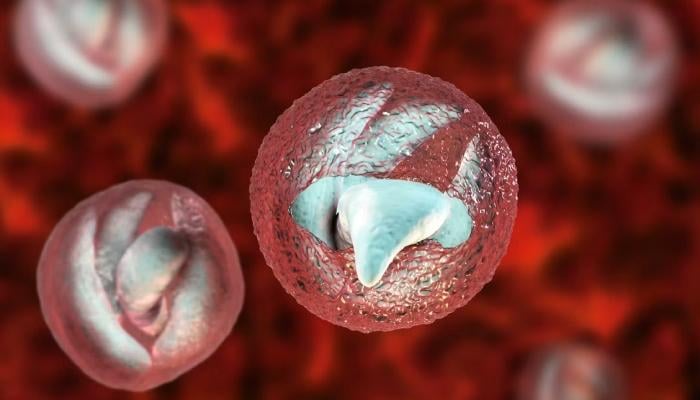
Health officials in the United States are investigating a rise in cyclosporiasis cases after hundreds of people across at least 17 states fell ill with the foodborne parasitic infection.
According to the US Centers for Disease Control and Prevention (CDC), 145 people contracted the illness within the United States between 1 May and 16 June, while another 45 travel-related cases were also reported.
Twenty people required hospital treatment, but no deaths have been recorded.
The CDC told USA TODAY there is currently no evidence of a single nationwide outbreak.
"CDC has no evidence of a single, multistate Cyclospora outbreak linking cases happening right now and being reported in press," the agency said.
Officials said the reported infections appear to be part of the parasite's usual seasonal increase, although investigations into possible common food sources are continuing.
Cyclosporiasis is caused by the parasite Cyclospora cayetanensis and is commonly linked to contaminated fresh fruit and vegetables.
Symptoms include watery diarrhoea, nausea, vomiting, stomach cramps, fatigue and loss of appetite. The CDC notes that diarrhoea can sometimes be "explosive".
Michigan has reported one of the largest increases, with state health officials announcing more than 170 cases by 1 July, compared with around 50 cases recorded throughout 2025.
The CDC says the annual cyclosporiasis season typically runs from May until the end of August.


-
 One common mistake elevates blood pressure readings by 7 points, study warns
 -
 Moderna loses US government license defense in patent case
 -
 Novo says new Ozempic shows lower cardiovascular risk compared with Lilly’s Mounjaro
 -
 University of Nottingham researchers say new gel could regrow tooth enamel in weeks
 -
 New Chinese drug extends stroke treatment window from hours to 2 days: study finds
 -
 Trump’s FDA nominee Heidi Overton defends vaccines, contradicting his claims
 -
 New once-weekly insulin injection for type 2 diabetes wins FDA approval
 -
 Study identifies key cause of fatigue and brain fog