French fries raise diabetes risk 20%: New study warns
40-year study finds French fries dangerous, but boiled and baked potatoes pose no significant increased risk
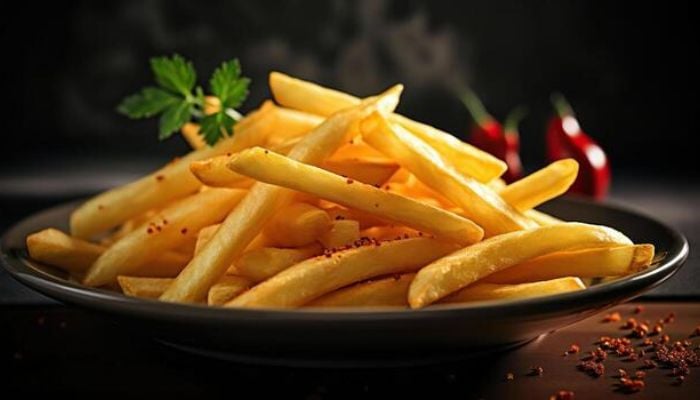
French fries significantly raise type 2 diabetes risk, but boiled potatoes don't, a crucial distinction buried in a decades-long study of 205,000 health professionals.
Participants were followed up on for close to four decades. All of them were free of diabetes, heart disease, and cancer when the study began. Among the participants, 22,299 ended up developing type 2 diabetes.
Potato consumption weekly was associated with an increased risk of developing diabetes. However, the manner in which the potatoes were prepared made all the difference.
If you eat French fries, read this.
A weekly consumption of three portions of fries was linked to a 20% greater risk of developing diabetes. No increased risk was reported for boiled, baked, or mashed potatoes. The distinction is very important from the standpoint of potato safety interpretation.
A boiled potato and fries differ greatly when it comes to the actual food consumed. The former doesn't absorb cooking oil, comes without salt, and usually isn't part of fast food consumption practices. This can explain the increased risk of diabetes.
How to avoid diabetes risk:
One of the most surprising things regarding the above-mentioned studies is related to the food exchanges. Thus, exchanging potatoes for whole grains reduces the type 2 diabetes risk.
Replacing French fries with whole grains reduces diabetes risk by 19%, while replacing potatoes with white rice increases the diabetes risk. This means that the choice of the replacement plays as significant a role as the food being exchanged.
It makes the whole concept look different now. The question to be asked should be “How are they prepared, and what do they substitute for?”
However, the findings of such a study cannot be seen as evidence that French fries trigger the onset of diabetes. The people consuming the French fries may have some dietary practices or lifestyles which predispose them to being diabetic.
Nonetheless, the connection appears biologically plausible because the foods are subjected to biological transformations through the high temperature applied during the cooking process.


-
 Herpes virus associated with 48% raised odds of Dementia and Alzheimer's, study
-
 Depression medicine used by millions has one dangerous symptom, pharmacist warns
-
 High cholesterol warning signs to never ignore
-
 Adolescents show worsening signs of mental health: Find out why
-
 Vitamin D found to lower risk of harmful Alzheimer's proteins
-
 China introduces measures for elderly care
-
 FDA clears first age-reversal gene therapy trial for vision loss
-
 Cancer cells can turn back into normal cells, claim Korean scientists