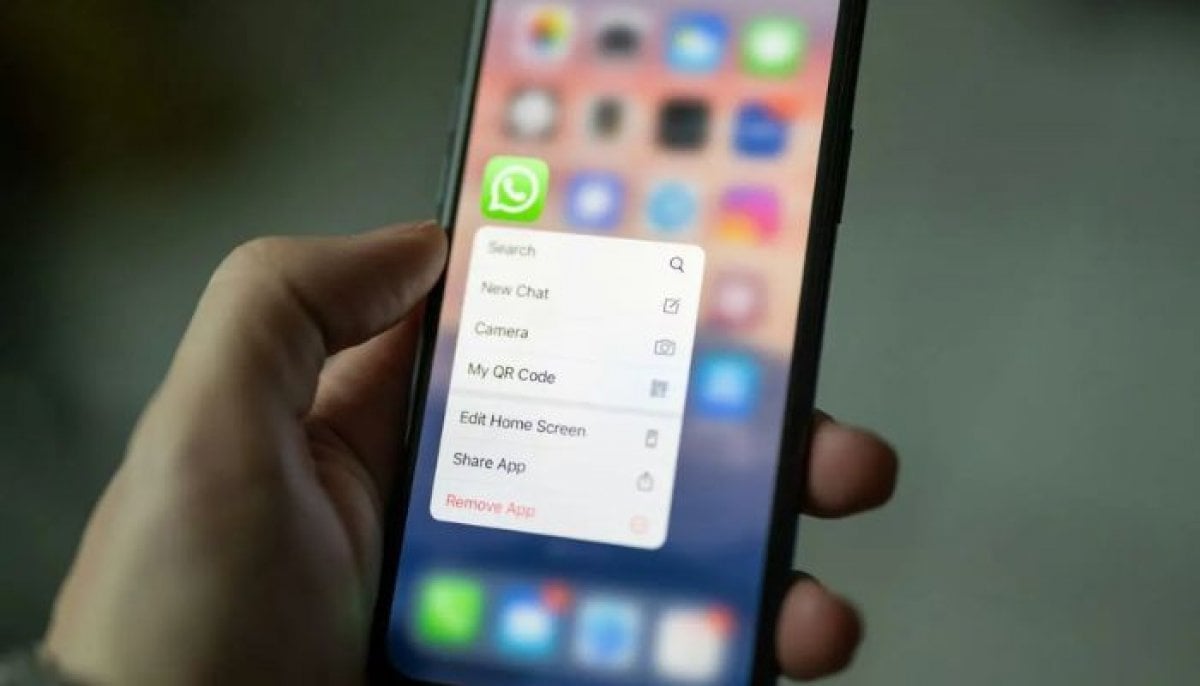
Apple's iOS 27 child safety overhaul: Explained
Apple's iOS 27 brings Ask to Browse, contact approval requests, and expanded nudity and violence detection
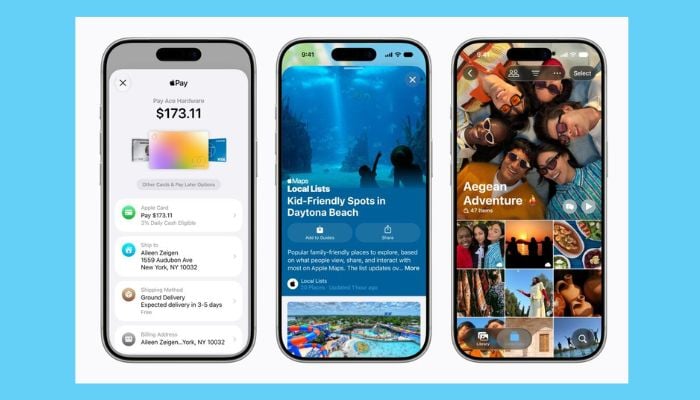
For years, child safety advocates accused Apple of treating itself as a bystander in kids' online lives. At June's Worldwide Developers Conference, the company spent roughly 10 minutes of its keynote proving otherwise, unveiling the most substantial rework of its parental controls in years.
The timing wasn't lost on Heat Initiative founder and CEO Sarah Gardner a nonprofit focused on child safety in Big Tech. She was outside Apple Park in Cupertino during the keynote, marking her fifth protest at the company's headquarters.
Gardner, who has spent 15 years in online trust and safety work, told WIRED that Apple had long resisted acknowledging its role in children's digital experiences, comparing the company's posture to insisting it was "just hardware".
She credits sustained advocacy, along with active litigation, for forcing the shift. Apple is currently defending a lawsuit filed by West Virginia alleging its business practices shield child sexual abuse material.
This controversy dates back to 2021, when Apple floated an idea to scan iCloud Photos for CSAM images using an algorithm designed with privacy-preserving technology.
Security experts expressed concern about the possibility of the tool being used for surveillance purposes, and Apple discontinued it because it couldn’t develop such a system without compromising the security and privacy of its entire user base.
According to Anunay Kulshrestha, an applied cryptographer working at Infosec Clinic, Apple’s initial design had no accountability measures in place, and thus, it would be easy for governments to ask Apple to scan for other types of content too.
Gardner's protest also targeted "nudify" apps on the App Store, AI tools that strip clothing from real photos to generate fake nude images. The Tech Transparency Project counted 47 such apps in January. WIRED separately reported in 2024 that single-sign-on tools from major platforms, Apple included, made it easier for people to register on deepfake websites, prompting Apple to pull related developer accounts.
Gardner also pressed Apple on why Grok remained available on the App Store despite hosting sexualised deepfakes of celebrities as recently as June. Apple maintains that nudification apps violate its guidelines and says it proactively rejects and removes them, including through user reports, but didn't address the Grok question directly.
Apple's iOS 27 new upcoming features
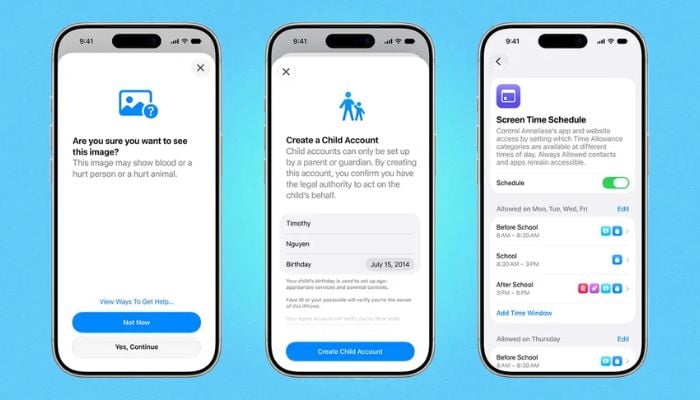
Instead of bringing back its CSAM photo scanning programme, Apple is relying on its Communication Safety system, which has the capability to blur nudity, violence, and gore in Messages, FaceTime, AirDrop, Shared Photo Albums, Contact Posters, and Contacts for minors aged 17 and under.
The company will release its in-app reporting feature for CSAM or any other form of abusive material first in Australia, Brazil, the United States, and the United Kingdom.
Setting up a child account has also been streamlined to roughly six minutes, required for kids under 13 and available up to 18. Parents choose app access from the outset, starting with a minimal set, a curated list, or manual selections, and can add apps later.
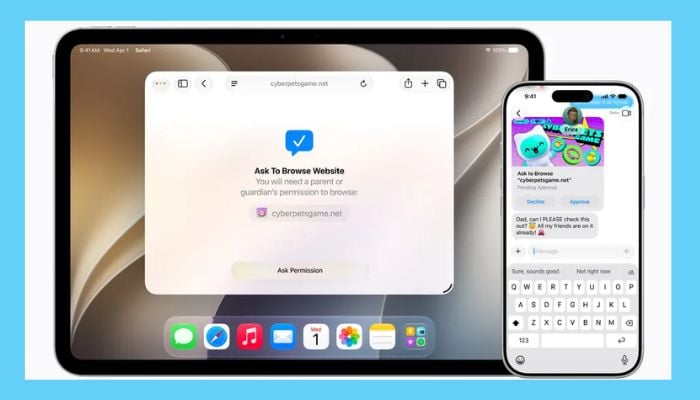
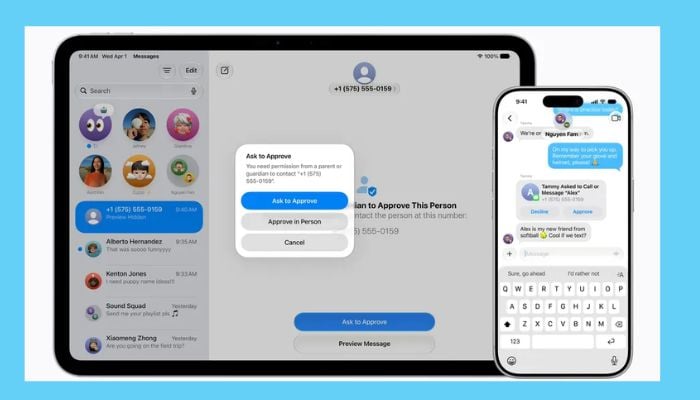
The two new permission systems follow the example of the App Store’s existing feature called Ask to Buy. The first one is Ask to Browse, which makes children ask for permission to visit a website using Safari before that.
The request will be sent to the parents’ phone through Messages. There is another system that operates on the same principle and affects contacts for the Phone, FaceTime, and Messages apps.
Screen Time has been rethought by Apple and now works based on time allowances, which is inspired by the American Academy of Pediatrics' Family Media Plan. Parents receive age-relevant recommendations in such categories as Entertainment, Games, and Social Media, along with possibility to customize time limits, e.g. block games when the child should study.
Smaller additions round out the update: notifications whenever athe possibilitye pacustomise entered, the e.g.,nded reporting tool, and a dedicated child safety website with resources for parents.


-
 Jamie Dimon warns Anthropic Mythos sent AI cyber risk up ‘10-fold’
 -
 US politician slams Sam Altman over 'accept some bad things happening' remark
 -
 Italy antitrust regulator opens investigation into AI music startup Suno
 -
 Smart glasses face bans over privacy concerns: Full list of countries
 -
 Mistral AI new model beats Chinese competitors in cybersecurity, claims CEO
 -
 UK regulator probes Meta over child safety risks in Instagram's 'Instants' feature
 -
 OpenAI admits ‘not good enough’ response to Australia government hacks
 -
 Meta, TikTok and X challenge UK watchdog over safety data: What to know