3 things former engineer 'took' From Apple, per OpenAI lawsuit
According to Apple, the most destructive accusation is the vulnerability Liu discovered in early February
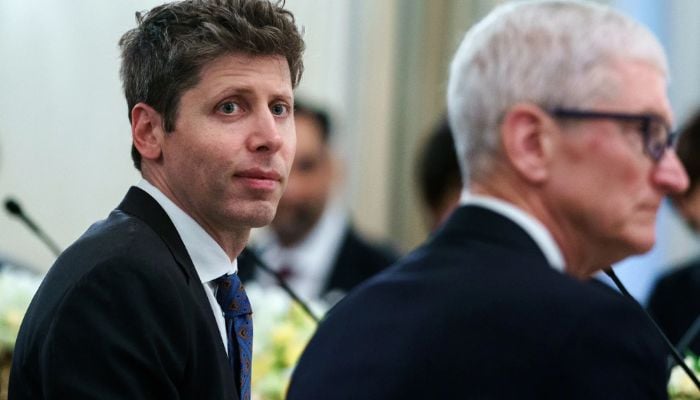
When engineer Chang Liu left Apple for OpenAI's hardware division in January, he didn't just take his experience with him, according to Apple's 40-page lawsuit filed Friday. The company says Liu departed with three specific assets that now sit at the center of its trade secret case against OpenAI.
Apple alleges Liu never returned his company-issued laptop after leaving and that the device retained access to sensitive InCenter files. The filing frames this as the first, most straightforward piece of a broader pattern the company says it later uncovered through its own investigation.
It also revolves around Liu’s connection with Yu-Ting “Alyssa” Peng, an Apple employee who continued providing him with internal updates even after his exit.
According to Apple, Liu advised Peng about how to extract the documents from her Apple computer without letting the security team know about it. In April, Peng too became a part of OpenAI’s hardware department, joining the ranks of over 400 Apple employees who joined OpenAI.
According to Apple, the most destructive accusation is the vulnerability Liu discovered in early February that enabled him to gain access to Apple's network storage even after leaving the firm. Instead of reporting about it, Apple claims that he informed Peng that he had gained access, referring to it as funny.
Apple claims that he abused that privilege to access presentations, hardware designs, manufacturing details, and test protocols while he was working for OpenAI, and she responded that she was ready to assist him.
In addition to Liu, Apple’s lawsuit accuses OpenAI of engaging in a systemic attempt to steal trade secrets from Apple by encouraging applicants to go through their materials prior to interviewing for the position and carrying physical prototypes into OpenAI.
Apple is suing OpenAI, IO Products, Liu, and OpenAI hardware head Tang Tan. The allegations include trade secret misappropriation and contract breach. However, OpenAI says that they have no interest in other companies’ trade secrets.



-
 AI is driving experts away from online communities, research finds
 -
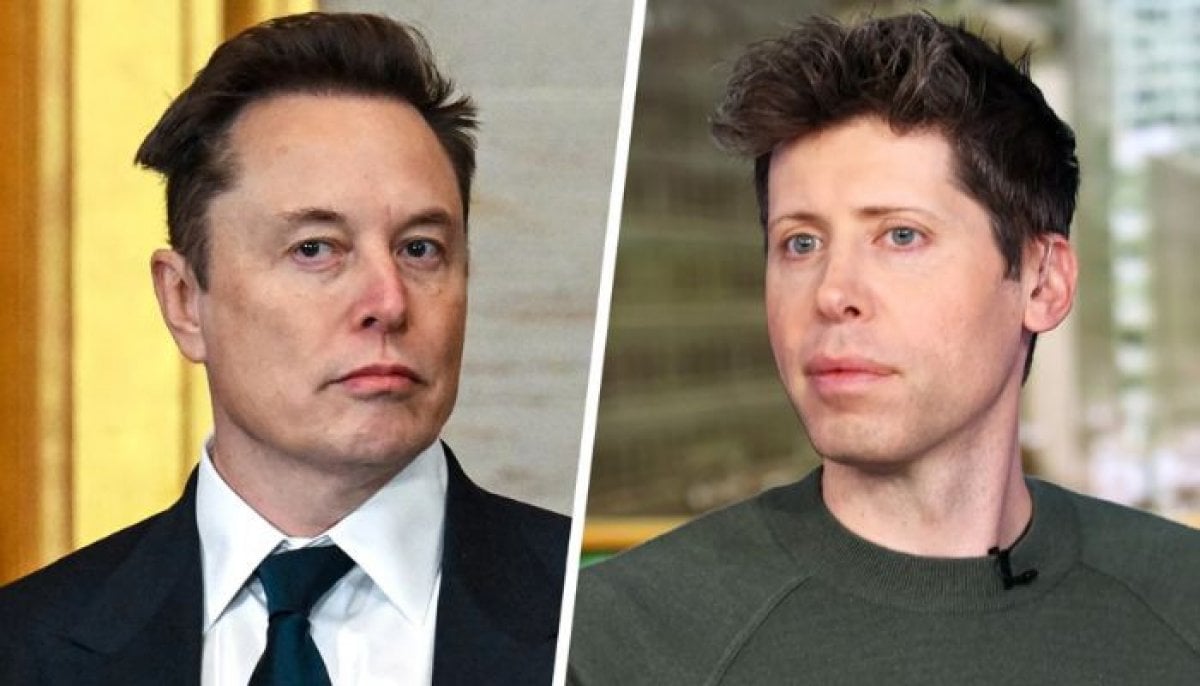 Elon Musk responds to Apple lawsuit against OpenAI
 -
 Can you break ChatGPT? OpenAI offers up to $50,000 for universal jailbreaks
 -
 Musk's 2024 Apple-OpenAI warning resurfaces after lawsuit
 -
 Study finds 281 Android VPN apps leak user data
 -
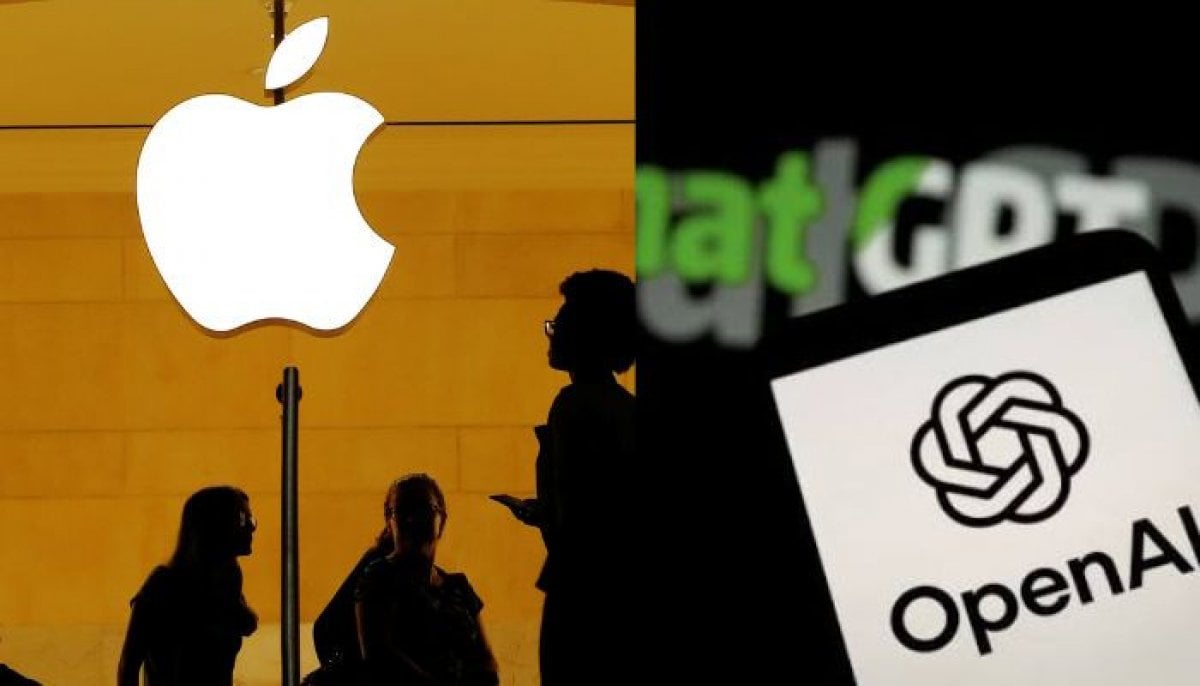 Apple sues OpenAI over alleged trade secret theft
 -
 Apple takes OpenAI to court over alleged hardware trade secret theft
 -
 Meta scraps AI image feature after privacy backlash