What happens when a whale dies? Scientists explains surprising process
Bowhead whales can live up to 200 years, and their carcasses feed deep-sea ecosystems for nearly a century after death
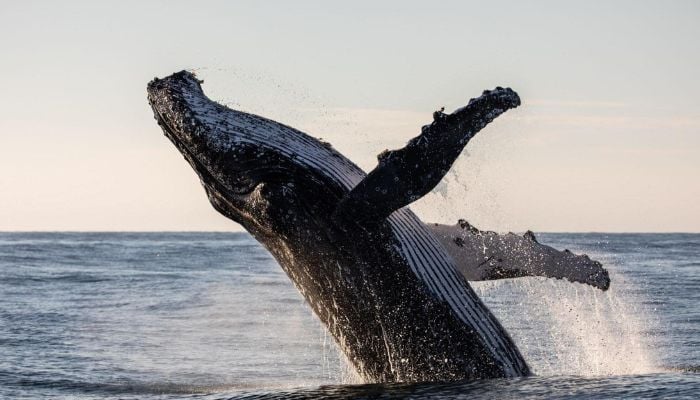
Bowhead whales can live up to 200 years, according to the Group for Research and Education on Marine Mammals (GREMM), making them among the longest-living mammals on Earth.
When they finally die, often peacefully and surrounded by family, their bodies go on to sustain entire ocean ecosystems for decades afterward.
Even though most whales fall victim to the tragedies associated with getting hit by ships or becoming entangled in fishing nets, there are other cases where some whales just exhaust themselves due to ageing because of their inability to hunt properly anymore.
The need for resurfacing so that whales can breathe makes it impossible for this whale not to drown. This is the case of the killer whale named I76, according to the Vancouver Sun in 2025.
Not quite, argues Anaïs Remili, a postdoctoral researcher at Simon Fraser University and the creator of Whale Scientists. The fact is that a whale cannot open its blowhole underwater due to a reflexive reaction, which means that death results from asphyxiation and not actual drowning.
In case a whale dies in water, it starts floating due to fat content in its body, thus becoming easy prey for predators living on the surface.
What happens to a whale's body after death?
Once the body gets down to the seabed, it becomes known scientifically as a "whale fall", a nutritional feast in an area where there isn't much to eat. Larger scavengers begin by feeding off the blubber and flesh of the whale, and then smaller crustaceans eat what is left.
Finally, microorganisms and bacteria enter the cavities of the blubber in the whale's bone structure, thus providing sustenance for over ninety years in one spot alone.





-
 NASA’s new telescope set to uncover mysteries of dark energy, dark matter and exoplanets
 -
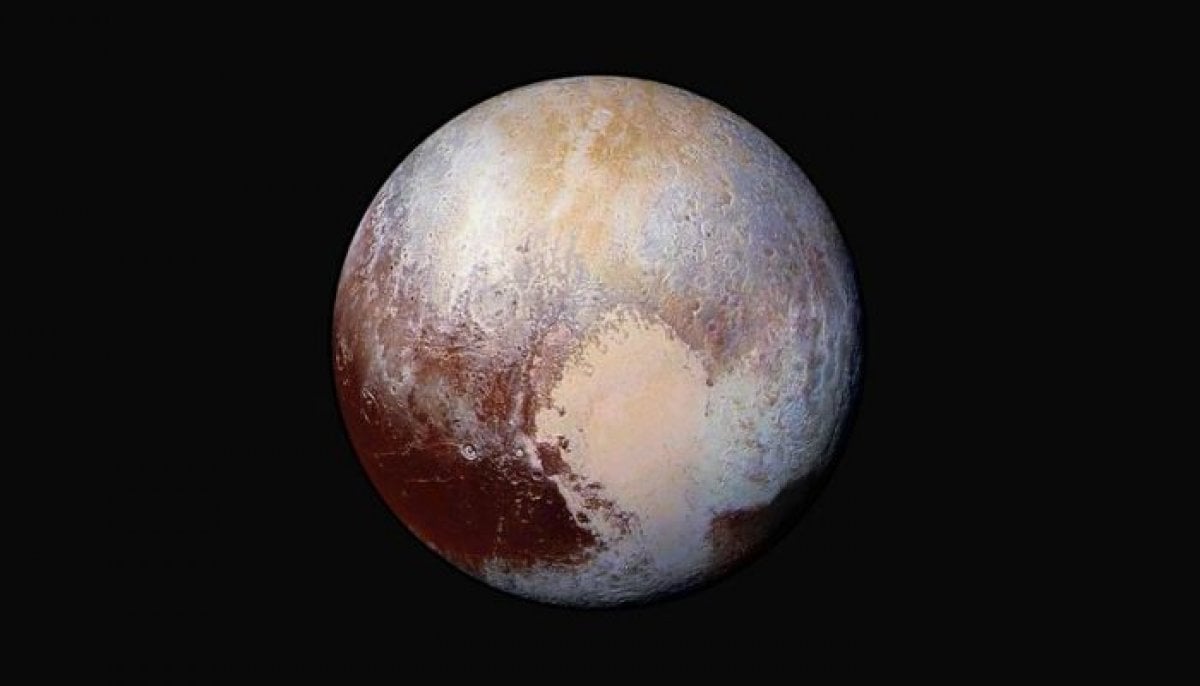 Should Pluto be a planet again? Astronomers revisit its demotion
 -
 China abruptly postpones Chang’e-7 moon mission to search for water–Here’s why
 -
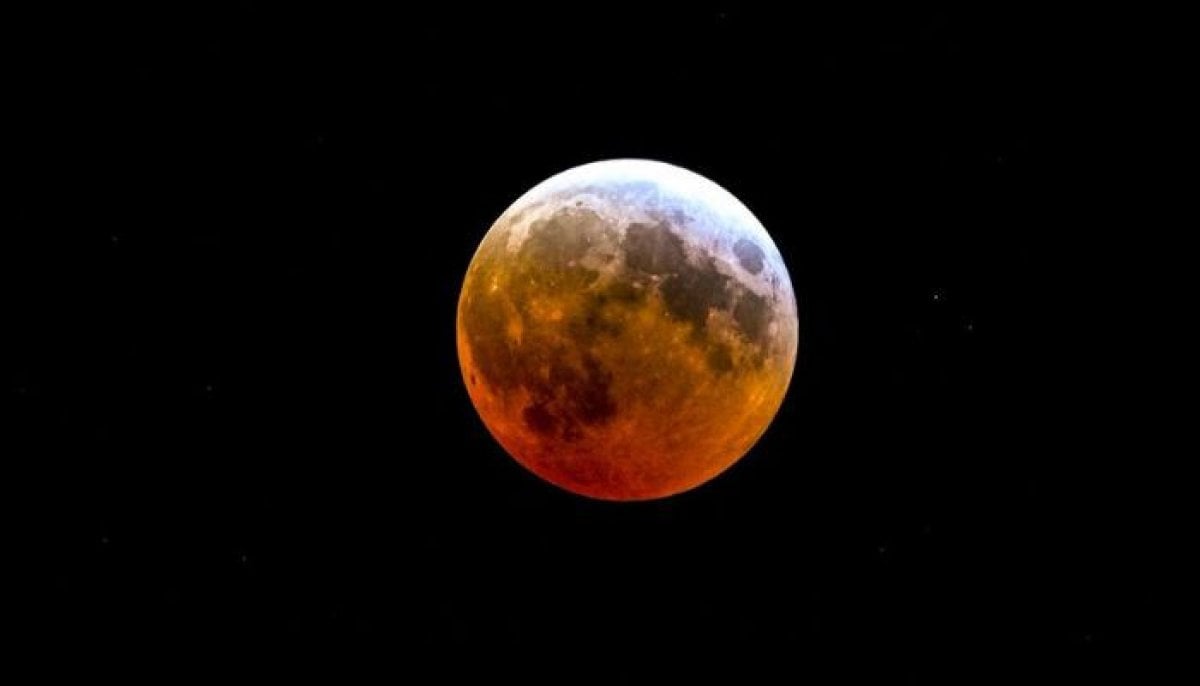 Rare lunar eclipse lights up skies across the Americas: Where will it be visible?
 -
 US researchers achieve major breakthrough in quantum data transmission through open air
 -
 NASA’s Artemis missions face new risk: Earth microbes could survive on moon
 -
 Europe’s wildfires are unearthing deadly remnants of WWI, WWII
 -
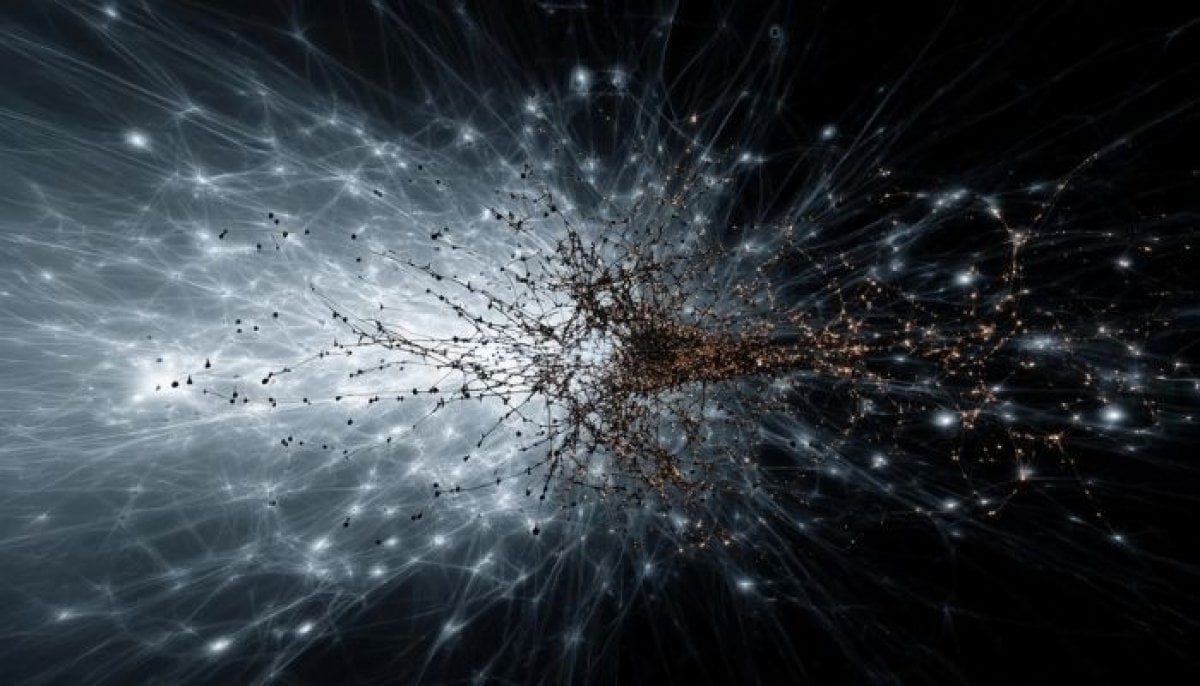 Dark matter theory challenged: New study rethinks ‘dark photons’