EU moves to restrict children’s social media access with tough new rules
Research study shows young people spend between 4-6 hours a day on screens
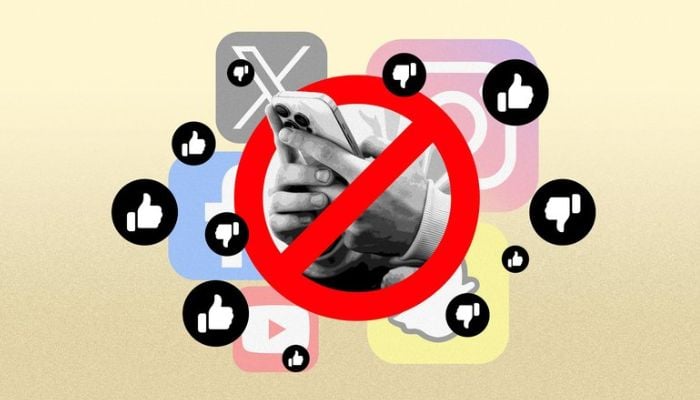
The European Union is set to introduce strict rules aimed at restricting children’s access to social media platforms later this year.
According to Commission President Ursula von der Leyen, “Our children need time in the real world. Time to play, time to build friendships, time to make mistakes. Time to shape their own identity, their own personality, before an algorithm shapes them instead.”
Speaking about the harms posed by social media, she said, “This is not about whether children can access social media. It is about whether and when social media can access our children."
In the soon-to-be-introduced proposal, the EU Commission will use findings from the Special Panel on Child Safety Online to shape future legislative proposals, which are expected after the summer.
The proposal will support a phased approach to social media access, specifically favoring banning toddlers from screens and digital platforms and requiring adult supervision and time limits for children under 13.
The tech regulator also argued that big tech companies, not parents and children, should bear the primary responsibility for online safety.
She continued, "In Europe, whoever develops a product is responsible for its safety. Car manufacturers must make their vehicles safe. We do not expect children to design their own seatbelts. We do not expect parents to fit airbags at home. And the very same must be true for big tech."
In the case of no definitive actions, the children's unrestricted access to these platforms will lead to increased addiction and mental health issues.
The policy decision comes as the research showed children spend four to six hours daily on screens, with nearly 60 percent of young children experiencing emotional or psychosocial problems online.


-
 Philippine lower house approves bill restricting minors' social media access
 -
 Google Translate adds auto-save for Live Translate transcripts, with one catch
 -
 Nothing CEO calls Apple's $1,999 foldable iPhone a waste of money
 -
 TikTok CEO sees AI transforming science in just 3 years
 -
 Microsoft president reveals a surprising gap in AI regulation
 -
 WhatsApp to let you schedule texts, photos, videos: Check details here
 -
 Canadian YouTuber builds camera to track police vehicles: What to know
 -
 Google Gemini access is changing: What users need to know