Why Japan is building first central intelligence agency after 80 years
Japan is quietly seeking help from the Western countries for the spy agency
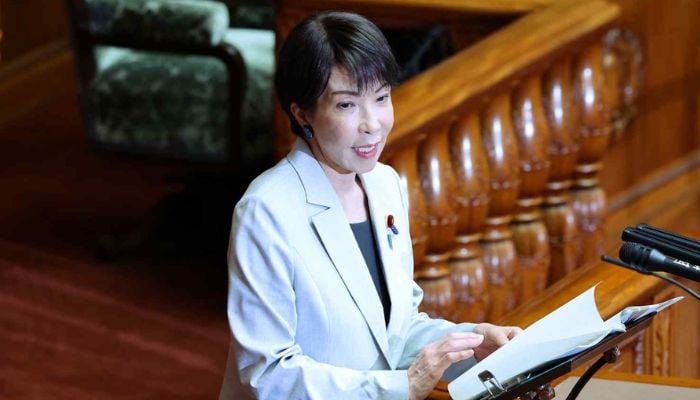
Japan is reportedly building a new central intelligence agency for the first time since World War II with the help of allies from the West.
According to reports, Japanese officials have quietly approached the United States, Germany and Australia to seek advice on the spy agency, including the technology, staffing and intelligence-sharing priorities.
The Prime Minister Sanae Takaichi has taken this major initiative to strengthen the country's national security against espionage, growing cyberattacks and foreign influence operations.
This intelligence agency would mark a significant shift in Japan’s national strategy by making it centralized. Since WWII, the country had never built a spy agency and the responsibilities related to national security were distributed between the police, foreign and defence ministries.
The distribution of power among various branches have left the country vulnerable to various espionage and cyber attacks carried out by rogue actors, as explained by the security experts.
Moreover, Japan is also swarming with dozens of Russian spies as reported by The New York Times. The motive behind this is Russia's effort to bypass international sanctions and obtain weapons. Despite receiving warnings from foreign officials, Japan has not taken any concrete steps.
Moreover, the regional geopolitical tensions are also pushing Japan toward establishing a spy agency to tackle the growing assertive influence of China and North Korea.
Japan also revised its decades-old pacifist defense policy by relaxing the restrictions on its arms exports, aiming to diversify its weapons base in a policy shift and boost the country’s security.
As per reports, the agency will be operationalized by December with a budget of around $407 million. The initial staff is expected to consist of hundreds of people belonging to software engineering and cybersecurity professions and overseas liaison officers.
“This is a giant step in the direction of having a fully integrated and robust intelligence community,” said Richard Samuels, a professor of political science at the Massachusetts Institute of Technology.


-
 Piers Morgan extols Zelenskiy after Elon Musk targets Ukrainian president
 -
 Lindsay Clancy update: Why lone holdout juror believes she was guilty
 -
 Kremlin sends strong message to Ukraine as Zelenskyy resumes strikes on Russian refineries
 -
 US prosecutors hit ousted Venezuelan leader Nicolas Maduro with torture charges
 -
 Jeffrey Donaldson handed 15-year sentence over child sex abuse offences
 -
 'Time for Zelensky to go': Elon Musk calls for Ukrainian president to step down amid Starlink dispute
 -
 Trump campaigns for GOP as Democratic PAC pours millions into senate races ahead of midterm elections
 -
 China-North Korea bridge finally opens after 12-year delay: ‘New chapter of bilateral trade’
-
 Zelenskyy signals new Russian refinery strikes after feeling ‘betrayed’ by Trump
 -
Anthropic to add official US voting information to Claude ahead of midterms
-
University of Chicago investigates reported sexual assault at off-campus fraternity house
-
Tumbler Ridge school shooting: US grand jury indicts alleged accomplice indicted