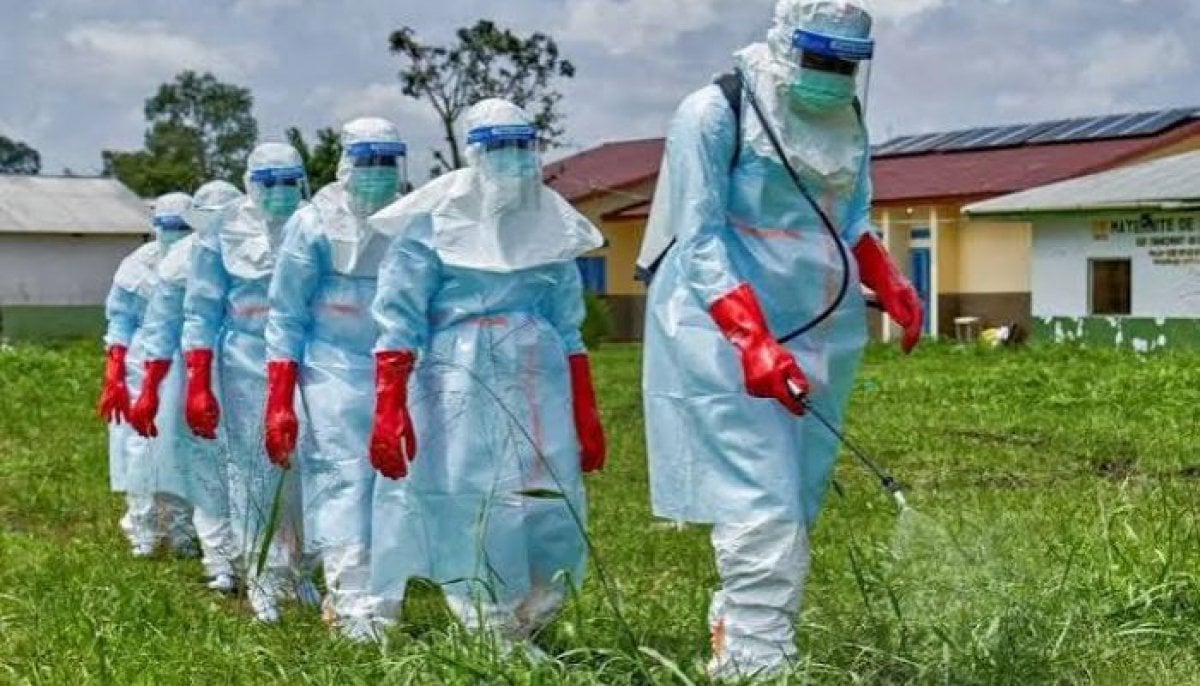
HPV vaccine study finds sharp fall in cervical cancer mortality
Human papillomavirus refers to a set of viruses that can be passed through close physical contact
_updates.jpg)
A large UK study suggests that children vaccinated against HPV at ages 12 to 13 face an extremely low risk of dying from cervical cancer before the age of 30. Researchers estimate that the programme is already saving lives and could eventually eliminate the disease.
The research, which was financed by Cancer Research UK, shows that more than 200 lives were saved in England since the introduction of the HPV vaccine in 2008 for girls and in 2019 for boys.
These results, which were published in The Lancet, show significant reduction of mortality rates among young people.
In the years 2020–2024, there were no deaths caused by cervical cancer among women aged 20 to 24 years old in England. According to researchers' calculations, there should have been around 23 deaths in the case of the absence of vaccines.
What is Human papillomavirus?
Human papillomavirus refers to a set of viruses that can be passed through close physical contact. Although most people are infected by viruses that are not dangerous, there are dangerous infections that cause almost all cases of cervical cancer and different types of cancer of the mouth, throat, and genital organs.
The NHS vaccine is able to protect against nine high-risk types of HPV, and it is provided as standard for Year 8 students in England.
In spite of its success, however, only a small number of students are being vaccinated, at less than 90% as recommended by the World Health Organization. According to Cancer Research UK, one in four young people are leaving school without getting vaccinated, particularly in London.






-
 Study reveals why some babies are born with heart defects
 -
 Third measles-associated death reported as Pennsylvania outbreak reaches 676 cases
 -
 Cyclosporiasis outbreak: US officially ends largest outbreak linked to contaminated lettuce
 -
 Hot beverages increase risk of cancer? New research provides in-dept details
 -
 Highest-level recall issued for potato chips over banned ingredient posing death risk
 -
 Very hot tea and coffee could triple cancer risk, Oxford study warns
 -
 Global study reveals nearly 1.7 million deaths linked to second-hand smoke exposure in 2023
 -
 AI-designed drug also slowed biological aging, study finds