Study shows near-zero cervical cancer risk in young women
Research suggests HPV vaccination is highly effective in preventing cervical cancer in young women
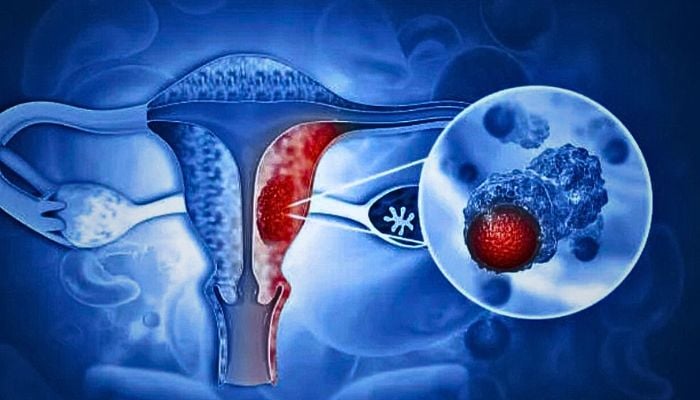
Study reveals 14/100 women gets Cervical cancer which is the fourth most common cancer in women. It is a type of cancer that develops in the cervix, a lower, narrow part of the uterus or womb.
Out of all women diagnosed globally, about 53% succumb to the disease.
Luckily latest report indicates that young women in Britain now have zero or 'close to zero' risk of cervical cancer death after HPV jabs.
As reported by BBC, landmark new research reveals.children vaccinated at age 12–13 against HPV (human papillomavirus) have close to zero risk of dying from cervical cancer before the age of 30.
The first study of its kind shows deaths have fallen sharply since school-aged girls offered these jabs in 2008, and around 200 lives have been saved in England so far due to the vaccine.
Between 2020 and 2024, no cervical cancer deaths were recorded in women aged 20 to 24.
That was the first time that had happened over a five-year period while without vaccination there could be deaths expected.
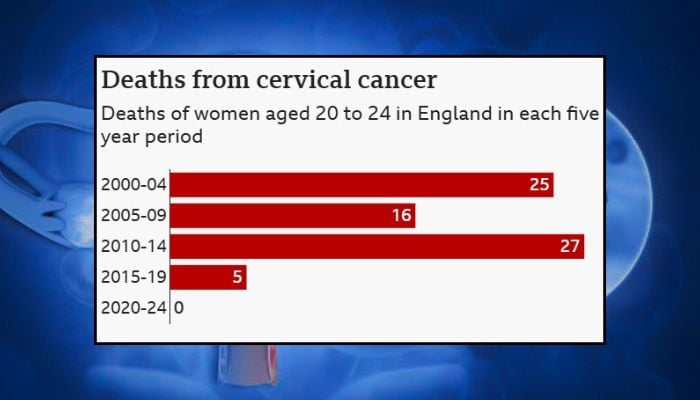
Overall, cervical cancer is still the 14th most common cancer among females in the UK, with 3,300 people diagnosed every year.
It is thought HPV, a virus which is spread through close skin-to-skin contact, causes 99% of those cases.
Most HPV infections clear up without any problems, but some cause abnormal cell changes and can lead to cancer years later.
The report's authors expect the numbers dying from the disease to continue to fall as more are given a HPV jab and vaccinated people grow older.
Cancer Research UK, which funded the research, described the findings as an "incredible milestone" but warned that vaccination rates in England were running below recommended levels.
HPV:
Most people who have HPV don't realise they have it and don't get any symptoms.In some people, the virus can cause genital warts or abnormal growths that lead to cancer.
According to the NHS, cancers linked to HPV includes cervical cancer,anal cancer,penile cancer,vulval cancer, and vaginal cancer.
While some types also include head and neck cancer.
How to prevent Cervical cancer:
People usually get this virus through intercourse or skin-to-skin contact.
"New research shows just how vital it is to keep HPV vaccination levels high so more people are protected."
The UK government has pledged to eliminate cervical cancer as a public health problem by 2040.
The vaccine for cervical is recommended for children aged 12 and 13 and people under 24 who missed getting the vaccine as a child.
Men and transgenders can also get this vaccine.
Notably, only those cannot have the vaccine if they had a serious allergic reaction to it in the past.
Prof Sasieni, who specialises in cancer epidemiology at Queen Mary University of London, describes the reduction in deaths since the introduction of the vaccine as the "tip of the iceberg".
"As vaccinated generations grow older, we'll see many more lives saved from cervical cancer," he adds.


-
 University of Nottingham researchers say new gel could regrow tooth enamel in weeks
 -
 New Chinese drug extends stroke treatment window from hours to 2 days: study finds
 -
 Trump’s FDA nominee Heidi Overton defends vaccines, contradicting his claims
 -
 New once-weekly insulin injection for type 2 diabetes wins FDA approval
 -
 Study identifies key cause of fatigue and brain fog
 -
 Apple’s screenless fitness tracker plans revealed: What to know
 -
 Rabies concerns grow in US, sparking health warnings over fatal virus
 -
 This popular cooking garnish may offer surprising benefits for brain health