Paul Conyngham uses ChatGPT, AlphaFold to develop a life-saving cancer vaccine for his dog
An Australian man leveraged machine capabilities learning capabilities and mRNA technology to develop a personalized treatment for his dog
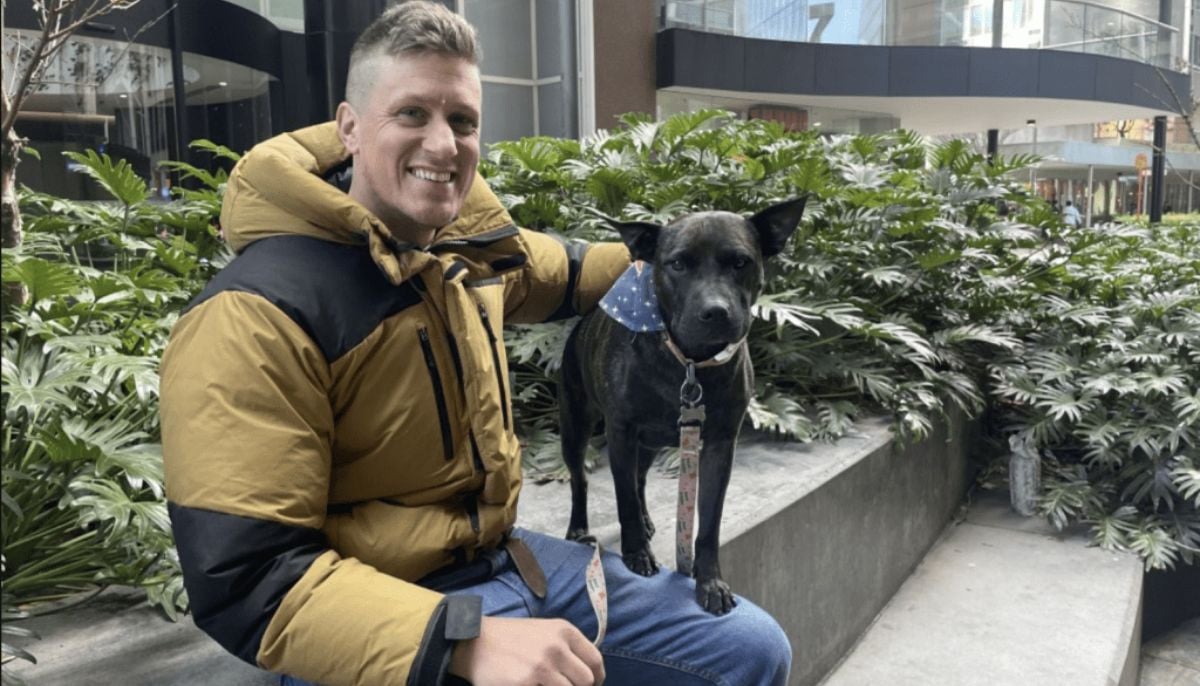
The intriguing story that went viral online gained significant global attention in March 2026, demonstrating how a determined individual combined his data expertise with cutting-edge AI tools to achieve what was previously considered impossible for a private citizen. Paul Conyngham, an Australian AI and data analysis expert, refused to accept a terminal diagnosis for his rescue dog, Rosie, who had aggressive mast cell cancer and only months to live despite traditional chemotherapy. The owner said tearfully, “She’s my best friend. Now it’s my turn to fight her.”
Paul spent $3000 (AUD) to have Rossie’s healthy and tumor DNA sequenced at the UNSW Ramaciotti Centre for Genomics, which produced approximately 300GB of genetic data. He used ChatGPT as a research assistant to formulate a “plan of attack”, research immunotherapy, and draft the complex 100-page ethics application required to administer an experimental drug in Australia.
Technological breakthrough
Paul used Google DeepMind’s AlphaFold to model the 3D structure of Rosie’s mutated proteins. He compared healthy and tumor DNA to pinpoint mutations and used his own machine-learning algorithms to identify seven negotiations that would most likely trigger an immune response. Subsequently, he collaborated with the UNSW RNA Institute to synthesize a personalized mRNA vaccine based on his data-the first time such a vaccine was designed for a dog by a non-scientist. The vaccine led to a significant reduction in Rosie’s primary tumor; her mobility and energy levels returned, allowing her to run and play again.
While not a complete cure, the treatment has transformed a terminal sentence into a manageable condition. Paul is currently working on a second-round vaccine to target remaining tumor cells that were resistant to the first dose.
Ultimately, this discovery will pave the way for democratizing personalized medicine, potentially making high-end cancer treatments more accessible and faster to develop for both animals and humans.


-
 New personalized cancer vaccine cuts Melanoma recurrence risk by 42%, trial shows
 -
 Prime editing rewrites DNA inside human body for the first time
 -
 WHO investigates mystery Ebola case in Nigeria as outbreak spreads beyond DR Congo
 -
 Virginia Sen. Louise Lucas indicted on racketeering and marijuana charges
 -
 France confirms world's first human case of Shamonda virus; patient dies
 -
 OpenAI agents uncover brain disease leads: Here’s how
 -
 AI tool can now predict cancer survival by a single patient selfie: Find out how
 -
 Scientists identify a new type of depression affecting 1 in 4 patients
-
 Everything to know about US FDA’s new guidance on apps used with prescription drugs
 -
‘Immortal’ jellyfish could hold clues to slowing human ageing
-
Ebola crisis worsens in DR Congo as virus reaches eighth province with over 4,500 dead
-
Study finds eating blueberries every day can surprisingly boost your mood