
Breakthrough research suggests, gum disease can be prevented without killing good bacteria
Scientists unveil new approach to target harmful oral bacteria that cause gum diseases while preserving beneficial microbes essential for maintaining a healthy mouth environment
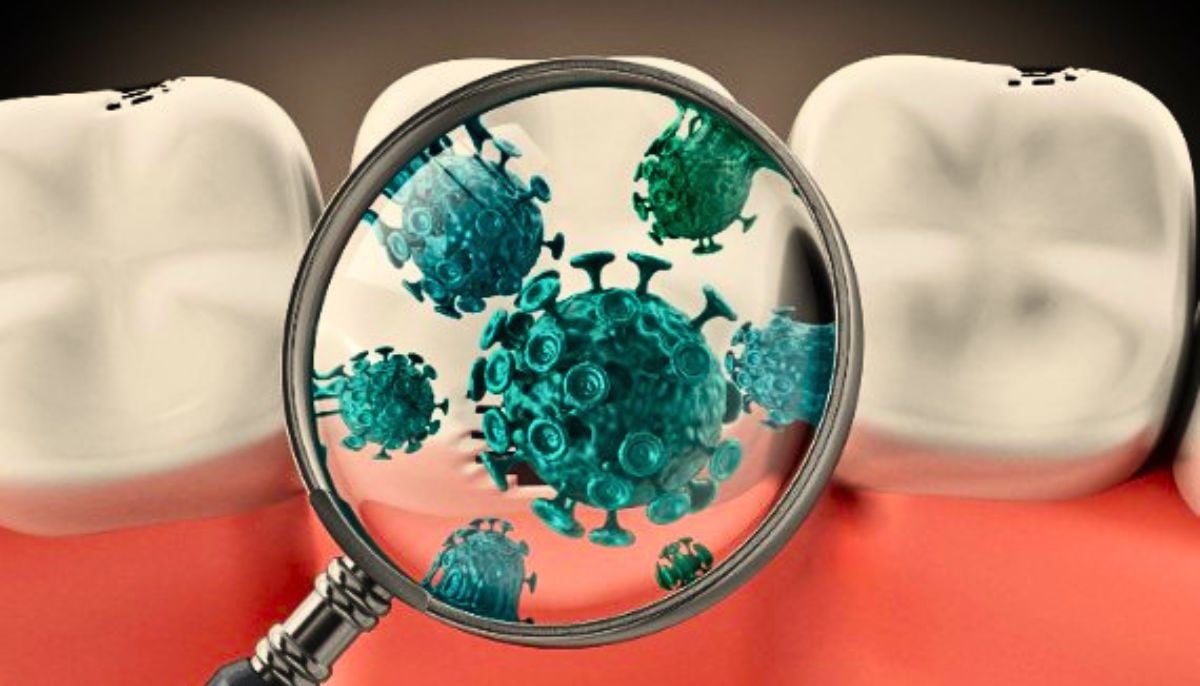
Our gums are always hurting due to bacteria and cavities because it is the root cause of every dental disease.
In a latest breakthrough research, scientists unveiled a way to secure these gums without killing that bacteria even.
Researchers found that dental plaque bacteria use chemical signals to coordinate growth.
By blocking those signals, they were able to encourage healthier bacteria while reducing disease-linked microbes tied to gum disease.
Oxygen plays a surprisingly important role in determining how these bacterial messages influence plaque growth.
Therefore, they uncovered a new way to influence the bacteria living in our mouths: not by killing them, but by interrupting how they interact with each other and spread infections.
Nearly 700 bacterial species live there, and many exchange chemical messages through a process called quorum sensing.
These microbes communicate using signaling molecules known as N-acyl homoserine lactones or AHLs.
The research team discovered several important patterns in how mouth bacteria interact:
Bacteria living in dental plaque produce AHL signals in aerobic environments such as above the gumline, and those signals can still affect bacteria in anaerobic environments beneath the gumline.
The researchers also found that oxygen plays a surprisingly important role in determining how these bacterial messages influence plaque growth.
The latest findings suggest that carefully selected enzymes may be able to reshape dental plaque communities and support a healthier oral microbiome.
Scientists are exploring whether it may be possible to influence bacterial behavior instead of simply trying to destroy bacteria outright.
Removing AHL signals using specialized enzymes called lactonases increased populations of bacteria associated with good oral health.
Bacteria are constantly evolving to survive, but the major consequence is that many harmful microbes are becoming resistant to antibiotics and disinfectants, creating serious challenges for medicine and public health.
However, scientists reveal not all bacteria are dangerous; In fact, many are essential to keeping the human body healthy.
This new discovery suggests that these insights could help researchers design more targeted approaches to controlling gum disease and maintaining a healthier balance of microbes.
Additionally, researchers believe this strategy could eventually be expanded beyond oral health. Imbalances in the microbiome known as 'dysbiosis' have been linked to numerous diseases throughout the body, including certain cancers.
Notably, the research materials were provided by the University of Minnesota, while the funding for the study was provided by the National Institutes of Health.






-
 Scientists discover tiny Antarctic sea creature that could help fight melanoma
 -
 Is UK heading for another heatwave? Here's what the latest forecast says
 -
 Shocking discovery at 'no-kill' shelter leaves dog owners distraught
 -
 EU launches investigation into Sanofi over alleged flu vaccine disparagement
 -
 How to survive Heatwave: Expert tips to stay cool in extreme temperatures
 -
 Rare genetic clue linked to healthy aging found in long-lived families
 -
 French fries raise diabetes risk 20%: New study warns
 -
 Study shows near-zero cervical cancer risk in young women


