
Cruise ship Hantavirus outbreak leaves 3 dead, more infected
Hantavirus cruise ship passengers are from US, France, UK, Canada repatriated. Andes strain suspected from South America
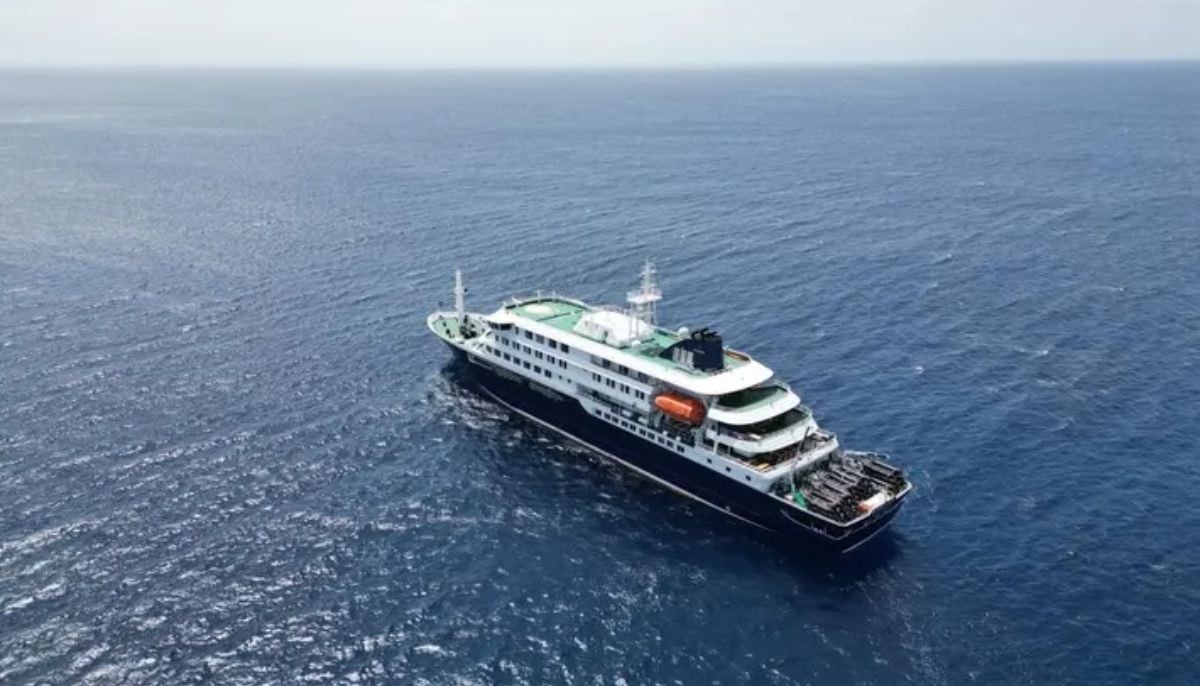
A cruise ship docked in Spain's Canary Islands is at the centre of an escalating hantavirus outbreak that has killed three passengers and infected seven others across multiple continents.
The MV Hondius ship which Oceanwide Expeditions operates encountered Andes strain hantavirus infection, which rodents usually carry during its South American voyage in April.
The World Health Organisation (WHO) confirmed seven cases and two suspected cases as of Monday. Two deaths are confirmed hantavirus cases, a third death is classified as probable since the elderly Dutch man who died first on April 11 tested positive before death occurred.
His 69-year-old wife, who disembarked in South Africa, died two days after leaving the ship, with her case confirmed. A German woman died aboard on May 2, also confirmed.
Passengers from the ship are returning home across the United States, France, the United Kingdom, Canada, Australia, New Zealand, the Netherlands, and other nations. An American and a French national have already tested positive after returning home.
Two British nationals are hospitalised in the Netherlands and South Africa. The differing quarantine protocols between nations underscore the outbreak's international dimension.
The WHO recommends 42 days of isolation for those leaving the ship. However, the US Centers for Disease Control, headed by Dr Jay Bhattacharya, rejected this guidance, insisting that human-to-human transmission is rare and the situation should not be treated like COVID-19.
Both American passengers returned in biocontainment units out of an abundance of caution with 17 US citizens undergoing clinical assessment in Nebraska.
French Health Minister Stéphanie Rist reported that a woman isolating in Paris showed deteriorating health with 22 contacts traced. Canadian passengers landed in Victoria, British Columbia, and are self-isolating for at least three weeks.
Four Australians, one Briton, and one New Zealander stayed on the ship which had 54 passengers and crew members existing at the Tenerife dock.
Hantavirus symptoms include fever, extreme fatigue, muscle aches, stomach pain, vomiting, diarrhea, and shortness of breath. The Andes strain allows people to transmit the virus between each other, yet health authorities claim that widespread outbreaks will not happen.
Captain Jan Dobrogowski released a statement about the "extremely challenging" situation which showed his appreciation for crew discipline and passenger patience. Spanish authorities confirmed that a police officer who participated in repatriation operations died from cardiac arrest.






-
 Malaria outbreak at Frankfurt airport leaves two dead, six infected
 -
 World’s first AI-assisted brain surgery patient has tumour removed
 -
 Study reveals China's lung cancer deaths to hit 760,000
 -
 Scientists find clue to lower dementia risk in older adults through new ‘game-changer’ vaccine
 -
 First US measles deaths of 2026 reported in Pennsylvania
 -
 NHS England to roll out free home testing kits for cervical cancer
 -
 New study reveals irregular sleep patterns accelerate biological aging
 -
 80% of young adults already have heart risk factors: Study finds


