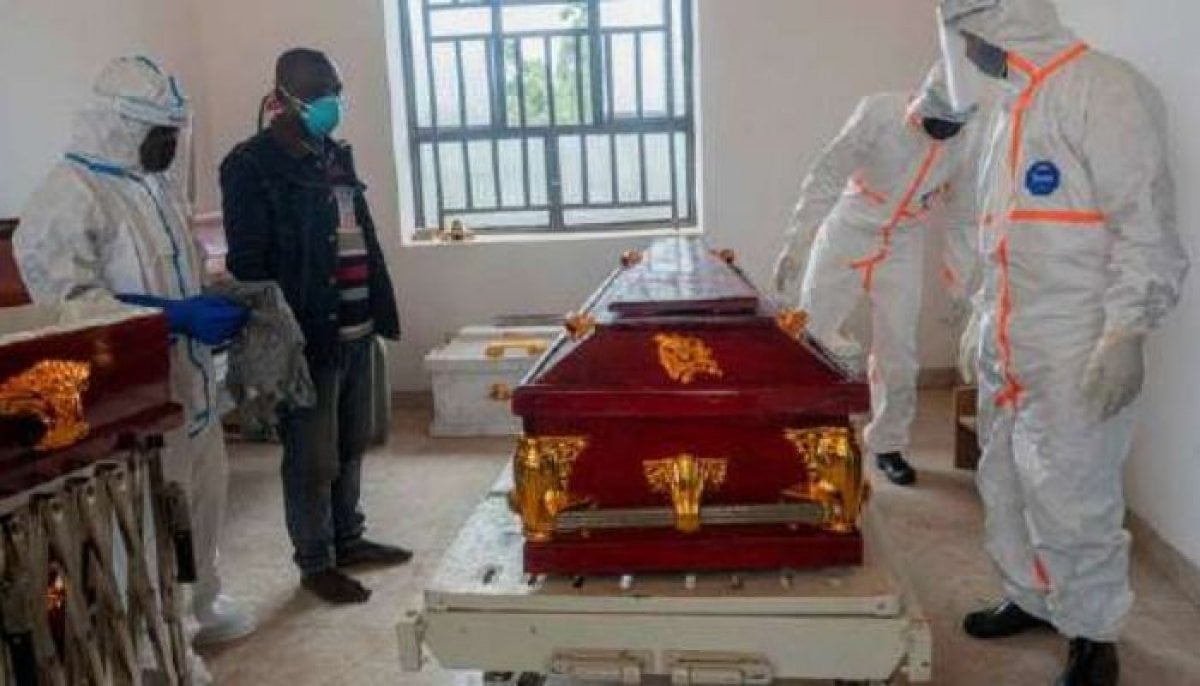
New suspected hantavirus case found in Spain
Both new suspected cases have links to the original cluster of cases
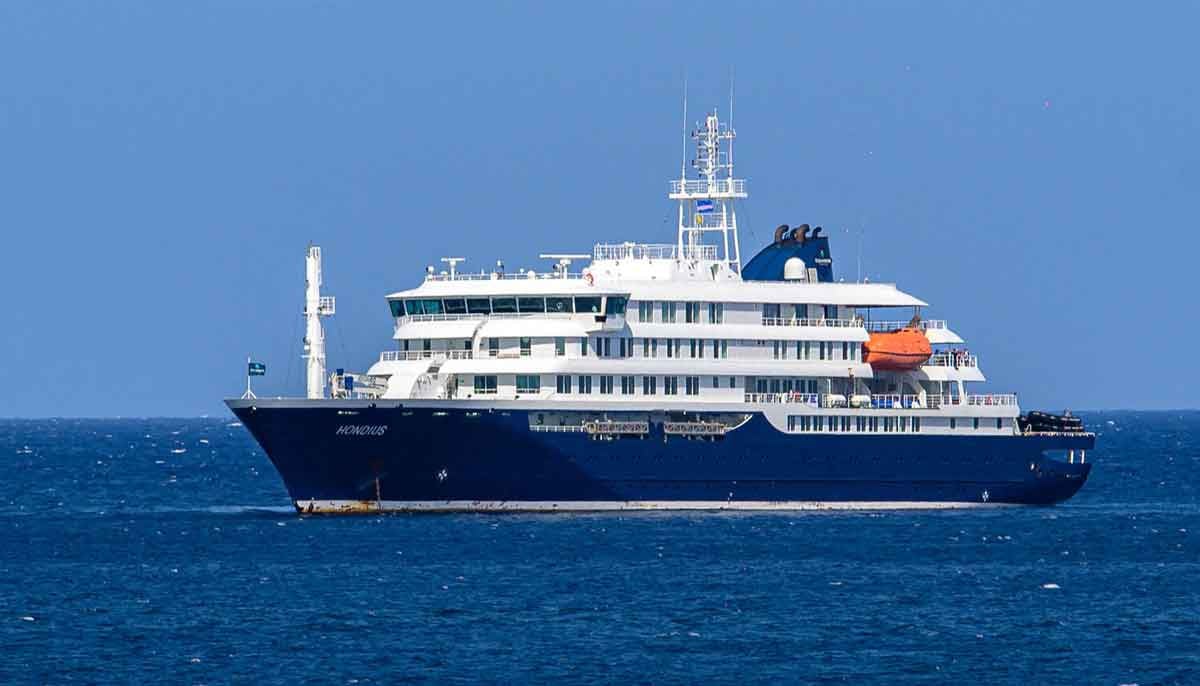
Two new suspected cases of hantavirus were reported on Friday, one in Spain and the other on the remote South Atlantic island of Tristan da Cunha, as experts race to contain an outbreak that began on a luxury cruise ship.
According to Reuters news agency, the announcements in locations thousands of miles apart will fuel concern about the spread of a virus so far associated with three deaths - though the World Health Organization has repeatedly said the risk to the wider public is low and the virus does not transmit easily.
A 32-year-old woman in the southeastern Spanish province of Alicante has symptoms consistent with a hantavirus infection and is being tested, Spanish health authorities said.
She was briefly sitting on a plane behind a Dutch woman who had contracted the virus on the MV Hondius, Secretary of State for Health Javier Padilla told reporters.
That Dutch woman left the flight in Johannesburg feeling ill before it took off on April 25 and later died in hospital.
A British man was also suspected of having the disease on Tristan da Cunha, the UK Health Security Agency said. Officials there said he was a passenger on the Dutch-flagged ship which made a stop on the island on April 13 to 15.
"Based on the dynamics of this outbreak, based on how it is spreading and not spreading amongst the people on the ship, the people who have disembarked, as well, we continue to consider the risk as low for the general population," Anais Legand, WHO technical officer for viral threats, said in an online briefing.
Both new suspected cases have links to the original cluster of cases, officials said.
FIRST SHIP-BORNE CLUSTER OF CASES
The cruise departed from Argentina in March with around 150 passengers and stopped in the Antarctic and other locations and headed north to waters off Cape Verde where it has briefly held this week after the cases were reported.
WHO officials have confirmed that some of the cases on the ship are caused by the Andes strain of hantavirus, the only version that can spread between people, usually through prolonged and close contact with a person who is showing symptoms.—Reuters


-
 Virginia Sen. Louise Lucas indicted on racketeering and marijuana charges
 -
 France confirms world's first human case of Shamonda virus; patient dies
 -
 OpenAI agents uncover brain disease leads: Here’s how
 -
 AI tool can now predict cancer survival by a single patient selfie: Find out how
 -
 Scientists identify a new type of depression affecting 1 in 4 patients
 -
 Everything to know about US FDA’s new guidance on apps used with prescription drugs
 -
 ‘Immortal’ jellyfish could hold clues to slowing human ageing
 -
 Ebola crisis worsens in DR Congo as virus reaches eighth province with over 4,500 dead
-
 Study finds eating blueberries every day can surprisingly boost your mood
 -
Eli Lilly’s Foundayo weight-loss pill gets European approval recommendation
-
What is BPC-157? Trump administration considers easing rules on popular peptide injections
-
West Nile virus: Europe reports 141 deaths as human cases rise in 2026