Some grief never goes away—Scientists now know why
Around 4 percent of people develop PDG after a loss, study says
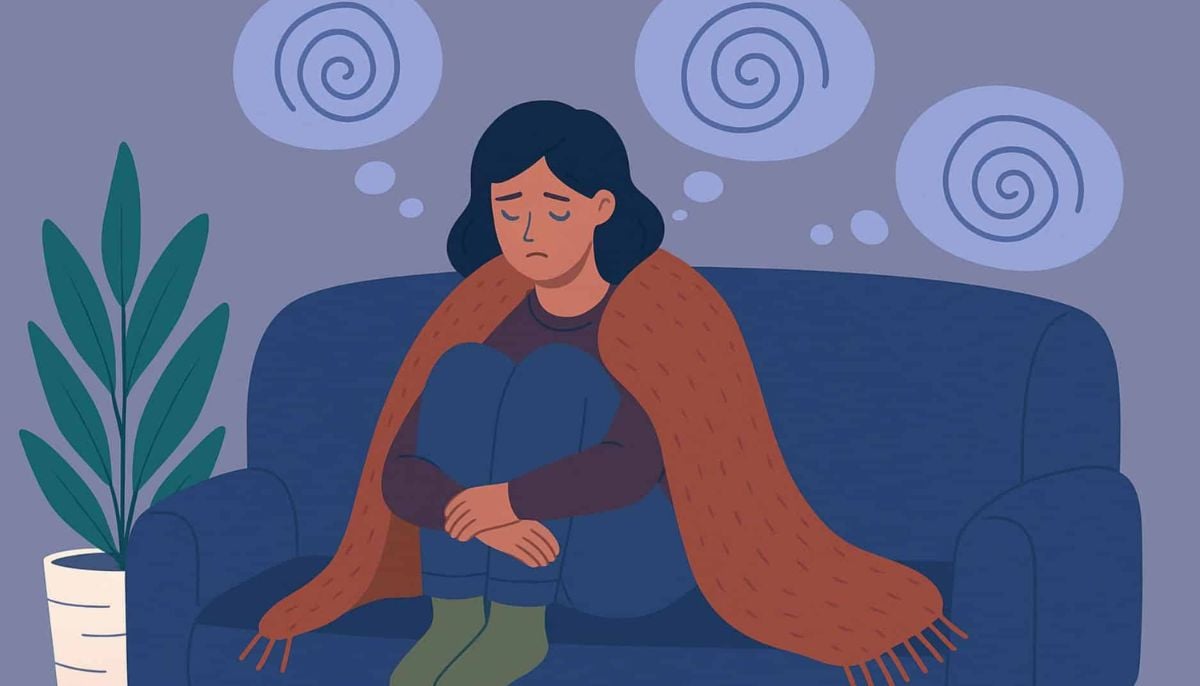
Grief is the price humans pay for love. The cost comes in the form of pain, heartache, anger, disorientation, and numbness. The good thing is, these feelings are most likely to shift over a period of time.
But here is the catch! Not all people are lucky enough to cope with grief. The loss of losing the loved one becomes more intense and painful as time passes by, making people trapped in long-lasting yearning to see or be with their loved ones.
When the grieving period reaches a threshold, simple grief turns into “prolonged grief disorder (PGD).” PGD is no longer a theoretical condition, in 2022 it was added in Diagnostic and Statistical Manual of Mental Disorder 5.
What is prolonged grief disorder?
PGD is a form of grief that does not lessen with time and interferes with a person’s ability to adapt to loss.
In this condition, people face difficulty in accepting the loss and moving on in their lives properly.
According to Holly Prigerson, director of the Cornell Center for Research on End-of-Life Care at Weill Cornell Medicine, “PGD is a chronic, intense, distressing reaction to loss, that’s different from bereavement-related depression and anxiety.”
The people grappling with this disorder experience a distorted reality marked by emotional detachment and numbness.
Neuroscience behind prolonged grief
Recent neuroscientific insights are shifting how we view PGD beyond an expression of intense sorrow. According to a 2026 review in Neurosciences, the condition stems from “a biological glitch” in the brain’s attachment and reward networks.
For people struggling with PGD, these neural systems remain stuck in loop, signaling that the deceased loved one is still accessible to them.
Eventually, a persistent conflict develops between what is actually real and what you want to perceive as real. Consequently, the brain fails to update its emotional map and start losing its ability to process the loss.
“What seems to be the case is that people with severe grief are still showing that reward expectation of their loved one, when they see a cute photo, for example,” Mary-Frances O’Connor, a psychology professor at the University of Arizona and author of The Grieving Brain, said.
Another research conducted in 2020 and co-authored by Prigerson also found different activity patterns in the amygdala and orbitofrontal cortex of people suffering from PGD. These patterns hinder their abilities to process emotions.
Despite these researches, scientists’ understanding remains in the early stages. Richard Bryant, a psychology professor at the University of New South Wales and co-author of the study, notes that because PGD was only recently classified as a formal diagnosis, the scientific community is still making efforts to unravel the patterns.
Is PGD quite common?
According to Prigerson, around 4 percent of people develop PDG after a loss. It is more common when a person experiences violence and sudden loss.
Prolonged grief is responsible for causing many health issues, including depression, post-traumatic stress disorder, anxiety, highly fluctuated blood pressure, and high mortality risks.
How to treat prolonged grief disorder?
According to the grief experts, PGD does not respond to antidepressant and psychological therapies.
The only treatment is Prolonged Grief Therapy. The therapy involves 16 sessions marked by healing milestones.
The healing journey starts with accepting grief, reimagining a promising future, connecting with the memories of dead ones, and remembering the reality of loss.
As per research, 70 percent people have shown improvement through these sessions.


-
 Study finds eating blueberries every day can surprisingly boost your mood
 -
 Eli Lilly’s Foundayo weight-loss pill gets European approval recommendation
 -
 What is BPC-157? Trump administration considers easing rules on popular peptide injections
 -
 West Nile virus: Europe reports 141 deaths as human cases rise in 2026
 -
 Health Canada reviewing new mRNA flu vaccine that could prevent more hospitalisations
 -
 Scientists discover hidden drainage route at the back of the eye
 -
 WHO confirms death at Russian research lab, says no plague case registered
 -
 Getting a $90 check from Social Security? Here’s why