China approves world’s first brain-computer interface medical device for market use
The invasive BCI system utilizes electrodes inserted directly into the cerebral cortex rather than placed on the surface
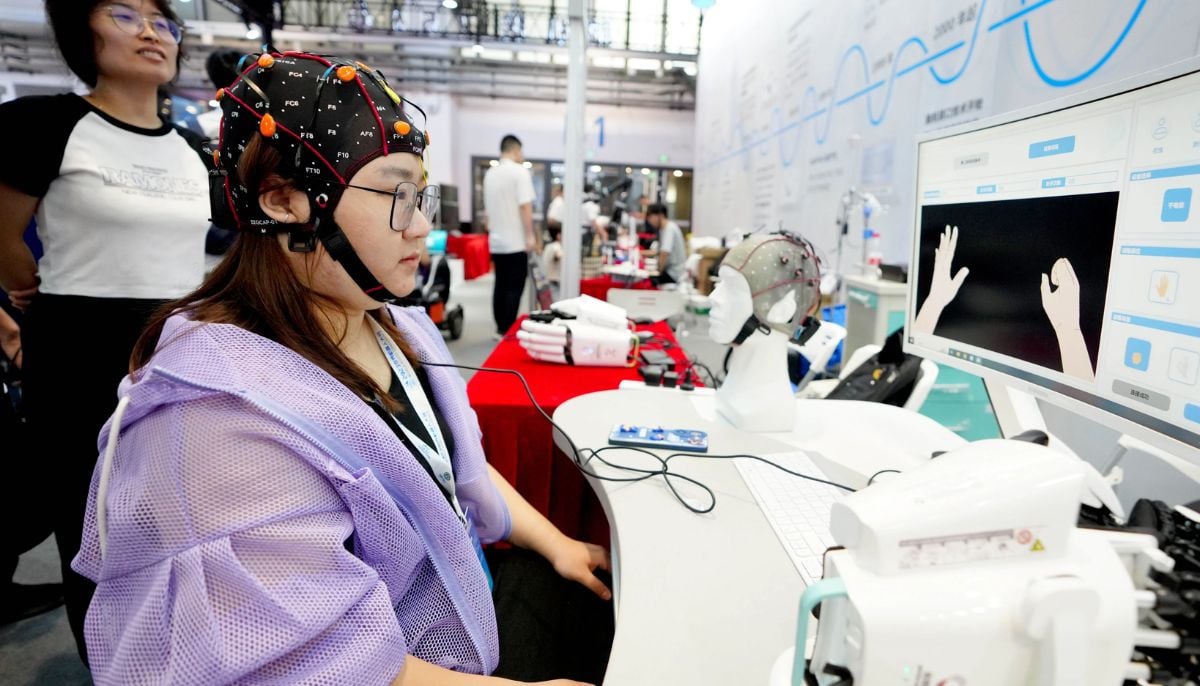
China has officially approved the launch for a brain-computer interface (BCI) system that helps restore hand-movement ability, marking the first successful approval of a BCI device for commercial use. Developed by Borui Kang Medical Technology, the device aims to restore movement and communication for individuals affected by various types of paralysis.
Targeting paralysis: Who can use the new Borui Kang BCI?
This mission is for patients dealing with quadriplegia caused by cervical spinal cord injuries, helping them regain hand-grasping ability through a robotic glove. The product is an invasive BCI system, meaning electrodes are inserted directly into the brain instead of sitting on its surface.
The device uses minimally invasive extradural implantation relying on wireless technology. In this regard, the National Medical Products Administration stated that BCI products have been made a top priority, adding that the sector has been designated a “future industry” in Beijing’s five-year plan announced last week. To be eligible for the product, patients must be aged 18 to 60 and suffer from a specific type of spinal cord injury.
Patients must have a diagnosis at least a year old and have been in a stable condition for the past six months. Additionally, they must lack the ability to grasp with their hands while retaining some upper-arm function. Clinical trials demonstrated that while significant improvements are still needed to deliver optimal results, the observed gains will contribute to successfully enhancing the patients' quality of life.


-
 Rabies concerns grow in US, sparking health warnings over fatal virus
 -
 This popular cooking garnish may offer surprising benefits for brain health
 -
 Was the human brain once two separate organs? Scientists find new clues
 -
 Novo Nordisk partners with Anthropic to accelerate AI-powered drug discovery
 -
 Congo Ebola outbreak reaches turning point as daily infections fall
 -
 Study reveals why some babies are born with heart defects
 -
 Third measles-associated death reported as Pennsylvania outbreak reaches 676 cases
 -
 Cyclosporiasis outbreak: US officially ends largest outbreak linked to contaminated lettuce
-
 Hot beverages increase risk of cancer? New research provides in-dept details
 -
Highest-level recall issued for potato chips over banned ingredient posing death risk
-
Very hot tea and coffee could triple cancer risk, Oxford study warns
-
Global study reveals nearly 1.7 million deaths linked to second-hand smoke exposure in 2023