
How your pet cat could help cure human cancer, according to scientists
Cats, dogs and humans share many of the same cancer-driving genes
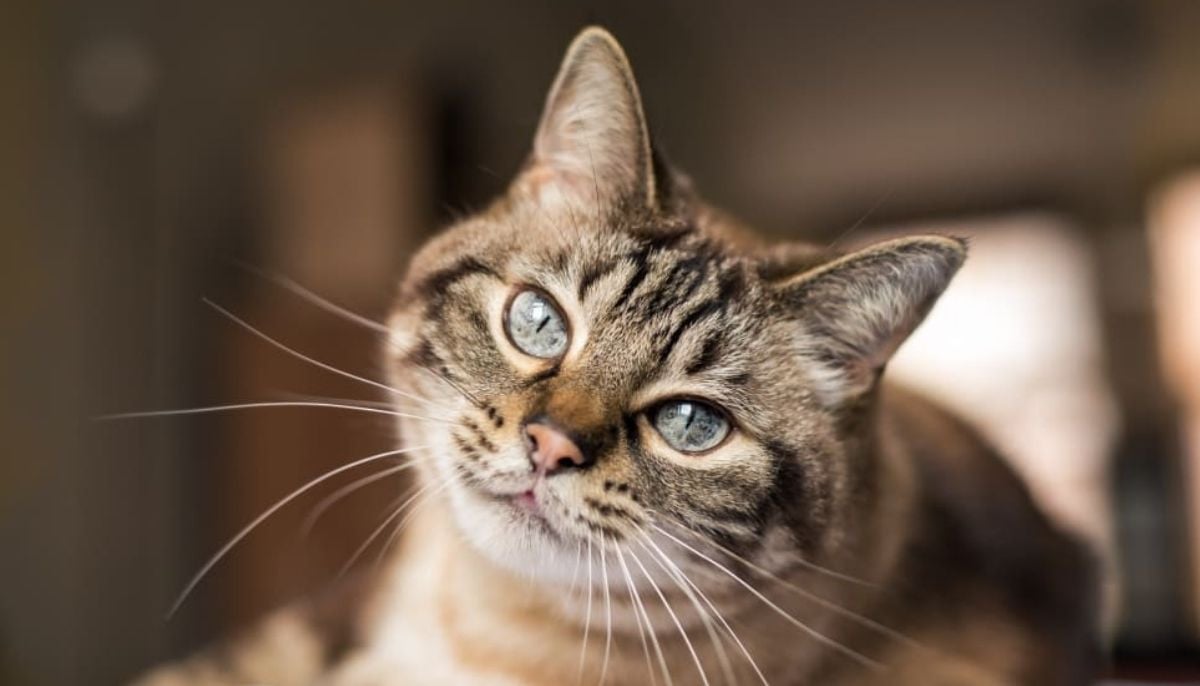
Scientists in a recent breakthrough have found a novel to treat human cancers. And this comes from the domestic cats.
In a recent study, published in Science, the researchers have profiled feline cancer genetics on a very large scale, highlighting the very first effort in this regard.
The scientists believe that this breakthrough would prove beneficial not only for animals but for humans too. This genetic database would also be a valuable open resource for future feline cancer studies.
The researchers from institutions including the University of Guelph, the Wellcome Sanger Institute, and the University of Bern assessed tumor samples from nearly 500 domestic cats collected across five countries.
As per observations, the team found that cats, dogs and humans share many of the same cancer-driving genes.
A major discovery was the identification of the FBXW7 gene mutation in over half of the feline mammary tumors studied. This mirrors the link between FBXW7 mutations and poor outcomes in human breast cancer.
According to early findings, it is possible to treat feline mammary tumors through chemotherapy drugs with the mutated FBXW7 gene, offering a hope for future clinical treatments.
Besides mammary tumors, the teams also discovered close links between human and feline cancers targeting the bones, lungs, blood, skin, central nervous system and gastrointestinal tract.
"This study can help us understand more about why cancer develops in cats and humans, how the world around us influences cancer risk, and possibly find new ways to prevent and treat it," Dr. Geoffrey Wood, a professor of pathobiology at the University of Guelph and co-senior author of the study, said.
The study also highlights a collaborative model showing an overlap of knowledge between human and veterinary medicine. The recent findings from cancer cat trials could transform research related to human cancers.
Dr. Louise Van Der Weyden, senior author at the Wellcome Sanger Institute, said the study opens the door for future advances in feline cancer care.
"We can now begin to take the next steps forward towards precision feline oncology, to catch up with the diagnostic and therapeutic options that are available for dogs with cancer, and ultimately one day, humans."


-
 Lili Reinhart reveals why she 'felt convinced' to do 'The Love Hypothesis'
 -
 Madonna's secret adoption after daughter Lourdes Leon's birth exposed
 -
 Secret UFO tape discovered after 70 years may reveal hidden details about 'Invasion of Washington'
 -
 Jenna Leigh Green drops bombshell about her role in 'Sabrina the Teenage Witch' after decades
-
 Scientists discover tiny Antarctic sea creature that could help fight melanoma
 -
 Is UK heading for another heatwave? Here's what the latest forecast says
 -
 Shocking discovery at 'no-kill' shelter leaves dog owners distraught
 -
 EU launches investigation into Sanofi over alleged flu vaccine disparagement
 -
 How to survive Heatwave: Expert tips to stay cool in extreme temperatures
 -
 Rare genetic clue linked to healthy aging found in long-lived families
 -
 French fries raise diabetes risk 20%: New study warns
 -
 Study shows near-zero cervical cancer risk in young women


