How AI is fast-tracking search for drugs to treat brain conditions
Scientists are using AI to accelerate the search for treatments for neurological conditions

In the rapidly evolving age of artificial intelligence, scientists are using it to expedite drug development, uncovering treatments for neurological conditions that may be hiding in plain sight.
However, researchers at the UK Dementia Research Institute in Edinburgh analyze patient data-including voice recordings and eye scans to determine whether existing drugs could be therapeutic switching such as motor neurone disease (MND).
Steve Barrett, a trial participant living with MND 10 years ago shared his vision for the project's success.
MND is a horrible disease, it strips you of who you are," he tells the BBC at his home in Alloa, Scotland.
“It rips any sense of future that you may feel that you had planned for yourself - all that goes.”
“For me the research is much more than taking a tablet - it's taking a tablet with the intention of delivering outcomes, that may or may not help me but help others,” he says.
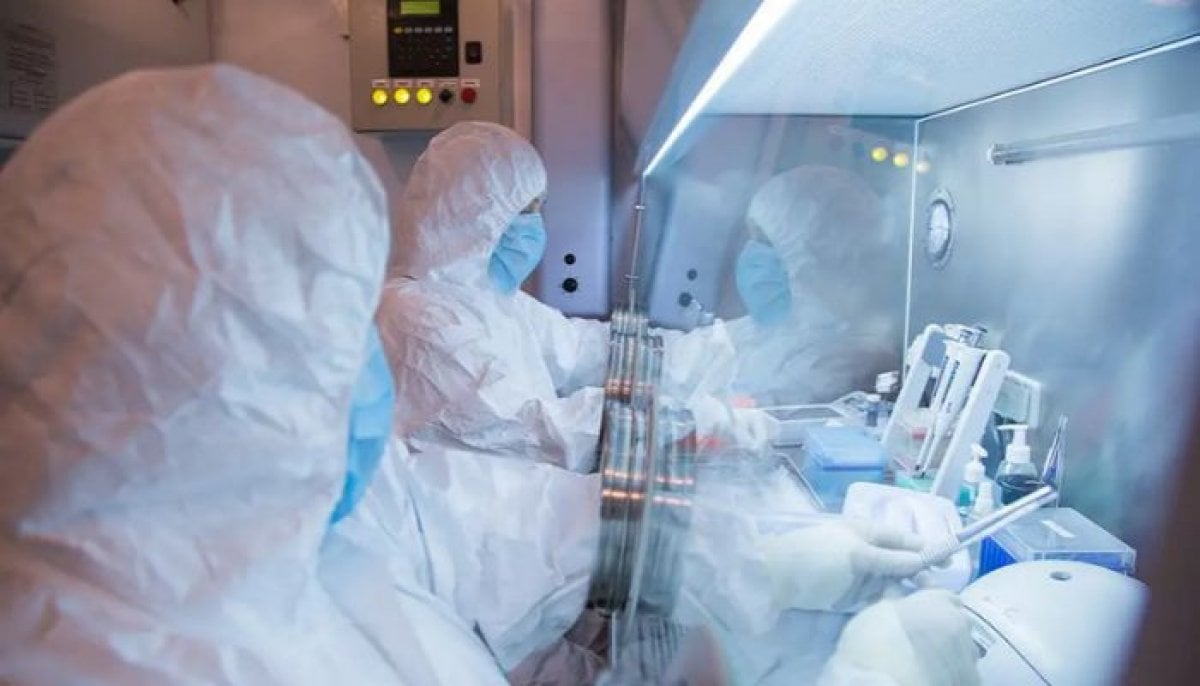
The established medications are subsequently evaluated across multiple production lots using a combination of robots, conventional medical equipment and computers powering specialist algorithms.
Notably, drugs that the AI suggests as potentially effective might advance into clinical trials involving people like Steven.
According to the Institute Chief Executive Prof Siddarthan Chandran, it proves to be also effective in the brain and we just don’t know it yet.
The brain is the most complicated organ in the body, so we've got to contend with the paradox of that complexity," he told the BBC - adding that until recently, this meant using less sophisticated methods of study.
“A combination of AI and new technologies mean we can now do things which would have been unbelievable when I was at medical school.”
According to some estimates, discovering new drugs and introducing them to the market can take up to 10 years or more. However, Prof Chandran and his team believes that effective treatments for neurological conditions could become available for people.
This discovery is not the first time to explore how AI can explore feasible solutions hidden in mountains of health or medical data.
Furthermore, Professor Chandran remains confident “we're at the tipping point of change” in neurological research.


-
 Health Canada reviewing new mRNA flu vaccine that could prevent more hospitalisations
 -
 Scientists discover hidden drainage route at the back of the eye
 -
 WHO confirms death at Russian research lab, says no plague case registered
 -
 Getting a $90 check from Social Security? Here’s why
 -
 Measles cases in US top 4,000 nationwide, CDC reports
 -
 Sexually transmitted diarrhea spread in US, UK: Why antibiotics are failing against Shigella
 -
 Who is Song Li? China puts her forward for WHO leadership role
 -
 CDC monitors travelers from Siberia after plague worker’s death, director says